
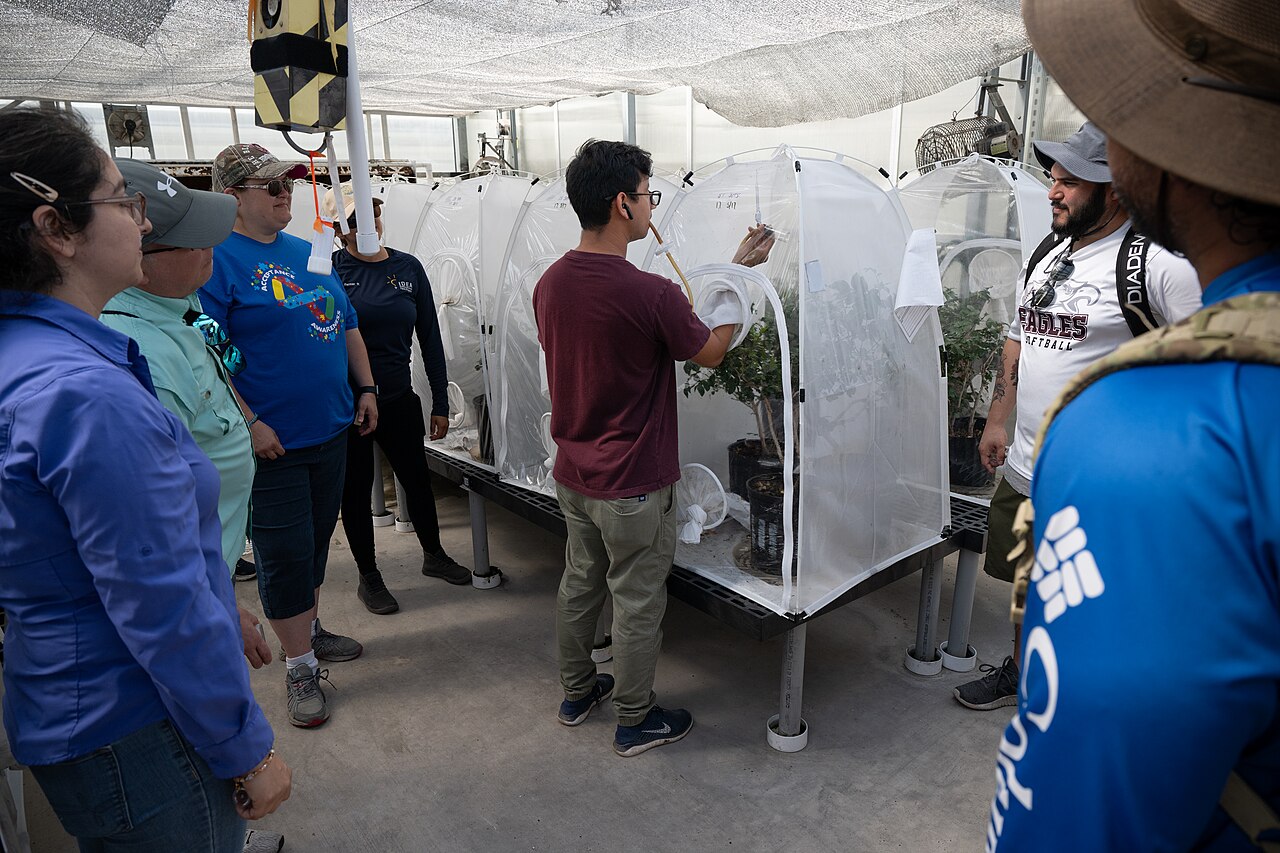
Researchers from the John Innes Centre in the UK have trained scientists from across Tanzania to use a low-cost, rapid test for wheat blast, a fungal disease that has not yet been found in the country but is confirmed in neighbouring Zambia. The training, hosted at the Tanzanian Agricultural Research Institute (TARI), drew 21 people from five institutions and left the Tanzanian team enough materials to test any suspect samples in the coming season.
The test is a loop-mediated isothermal amplification (LAMP) assay developed by the Saunders Lab under the Global Surveillance Advisory System project. Unlike PCR, it needs no expensive thermocycling machine, only a simple heating plate, and gives a result after 30 minutes to an hour at a single temperature. The sample turns from pink to yellow when the wheat blast pathogen, Magnaporthe oryzae pathotype Triticum, is present, and positive samples can then be sent for more detailed tests.
Speed matters because wheat blast is hard to tell apart by eye from Fusarium head blight, a disease that has been in Africa for about fifty years. Both bleach the wheat heads and shrivel the grain, so blast could arrive and be mistaken for head blight while it spreads. "The process is quick and provides a clear result of whether Fusarium head blight or wheat blast is detected," said Liam Butler, a research assistant in the lab.
Wheat blast first emerged in Brazil in 1985 and thrives in warm, humid weather. Outbreaks can cause 50-100% losses; a single spore can infect a plant, and infected plants produce up to 6,000 spores a day. It reached Bangladesh in 2016, causing $2.1 million in lost agricultural value within weeks, and Zambia in 2018, from Mpika District near the Tanzanian border. Resistant varieties and fungicides are the main defences once it is found.
"How quickly we can respond depends on how quickly we can also identify the fungus in the field," said Dr Caresma Chuwa, director of TARI-Selian. The results already feed into DEWAS, a global network that tracks wheat diseases. The next step is a version that needs no heating and no refrigerated reagents, so that rural labs can run it more easily.
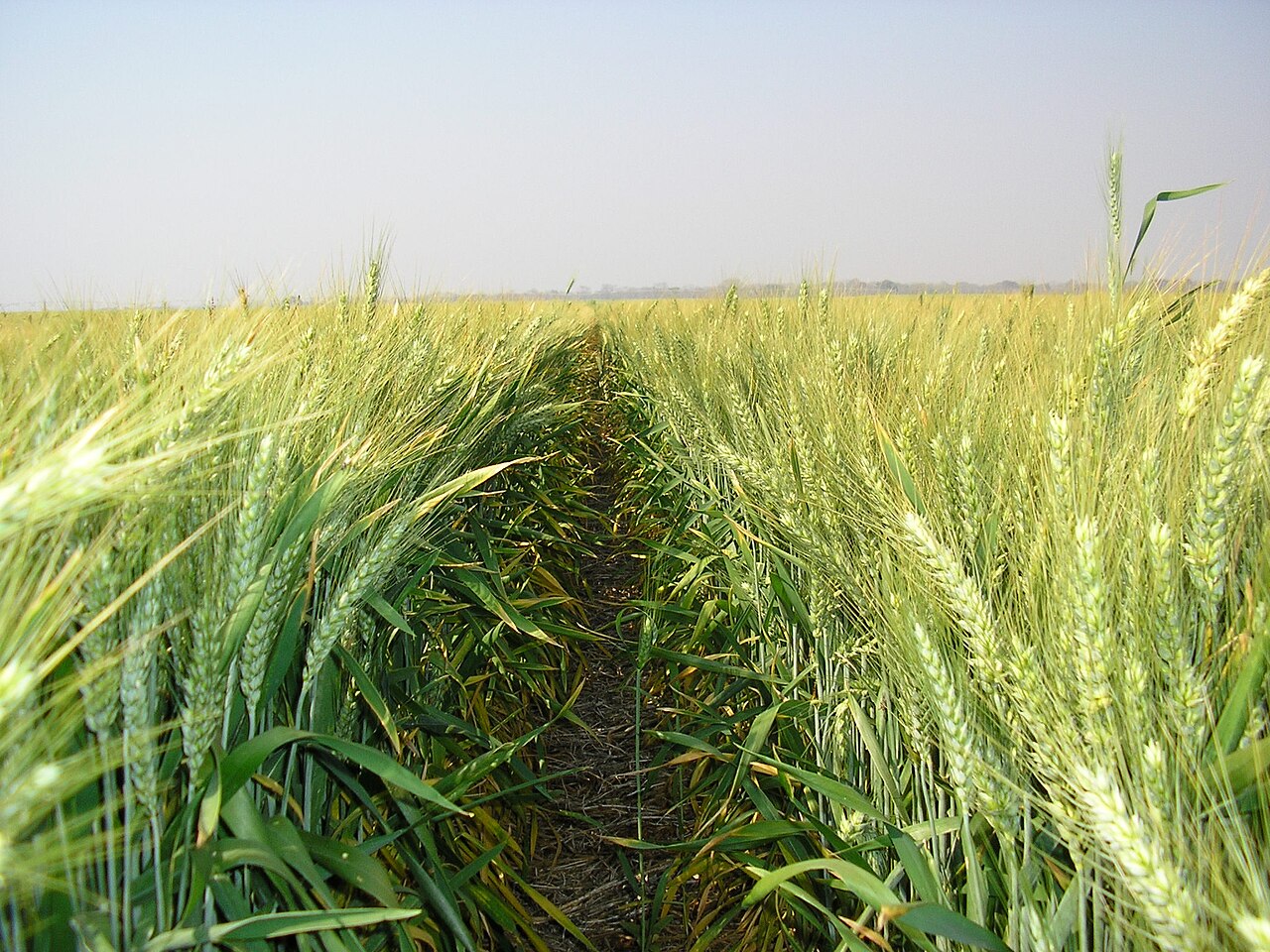
Photo: Maxdrobot / Wikimedia Commons (Public domain)
Source: John Innes Centre


Comments
(0)