
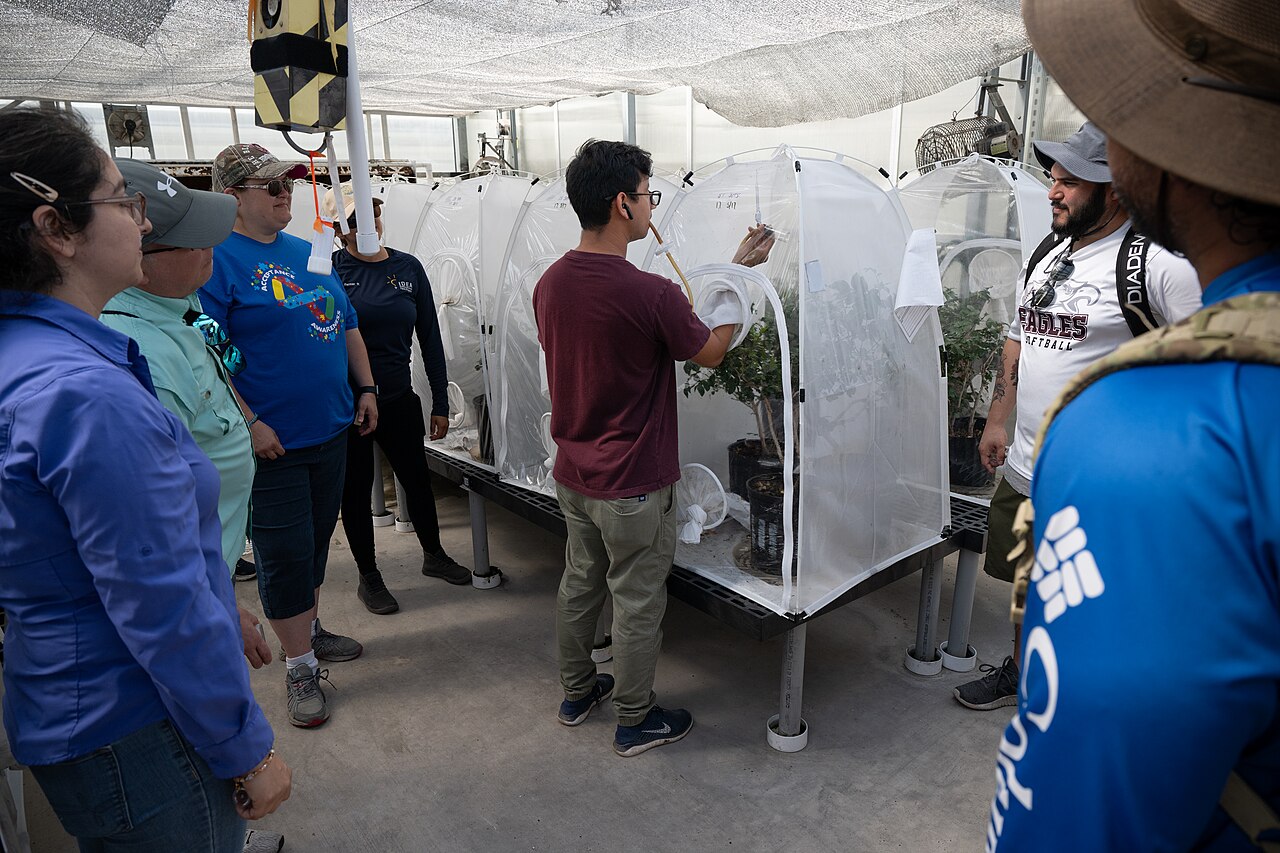
Taking one new crop protection active ingredient from its first laboratory synthesis to sale in the major US and European markets now costs an average of $307 million (EUR 276 million) and takes about 11.4 years, according to an industry survey that AgbioInvestor carried out for CropLife International, Global Agriculture reported. The bill has roughly doubled since 1995, when the same exercise put it at $152 million.
The survey, conducted in 2025, asked BASF Agricultural Solutions, Bayer Crop Science, Corteva, FMC and Syngenta for the full cost of discovering, developing and registering one active ingredient introduced in 2020-23, including every molecule screened along the way. The five account for more than 78% of research spending among the top 30 agrochemical companies. Development took $138 million, research $133 million and registration $35 million; the total rose only 1.9% from the 2014-19 survey, the smallest rise in six editions.
The mix has shifted. Synthesis of candidate molecules is now the single biggest cost, up 17.9% to $72.3 million, while biological screening fell 9.9% to $46 million as glasshouse testing dropped. Companies are also moving safety tests earlier: spending on mammalian subchronic toxicology in the research phase rose 32.6% and environmental toxicology 75.5%, because promoting a candidate into development commits a further $174 million.
Registration was the only major category to fall, by 15.4%, with EU registration down 12.1% to $21.4 million and US registration down 20% to $14 million. Keeping an existing product on the market is another matter: EU re-registration averaged $15.3 million, about ten times the US figure. The time to market, 12.3 years in 2014-19, eased to 11.4 years; the report links the long-term rise to heavier data demands, Brexit and the EU's 2018 endocrine disruptor criteria.
Overall, the five companies spent $2,729 million on agrochemical research in 2023, 5.5% of sales. Research on biological crop protection rose 43.4% to $37 million per company, while chemical research fell 9.3%, and spending on off-patent products rose to about $11 million. For generic makers in South Asia the report's message is mixed: fewer new launches mean fewer future patent expiries, and the originators are now competing in off-patent products themselves.
Photo: USDA / Wikimedia Commons (Public domain)
Source: Global Agriculture


Comments
(0)