
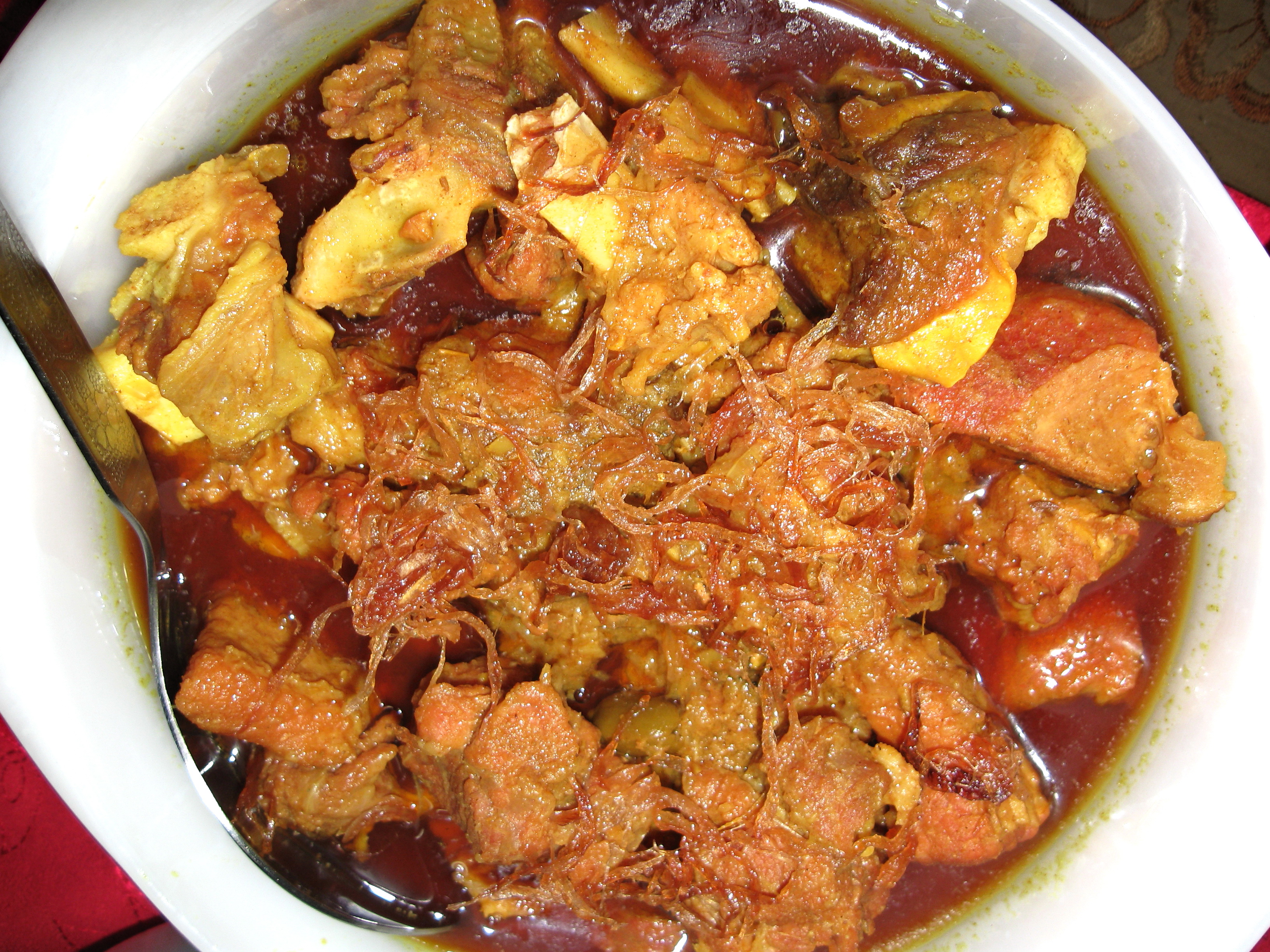
Beef cooked with satkara, a citrus fruit of Sylhet, is one of the best-known dishes of the region's traditional kitchen. Jagonews24's lifestyle desk published a recipe for it on 3 May 2026. Prized for its sourness and aroma, satkara has been part of Sylhet's food culture for generations. It goes into fish, meat and many other dishes, but its pairing with beef is the most popular: the sour rind blends into the meat and gives a taste and fragrance that few other curries match.
What satkara is and where it grows
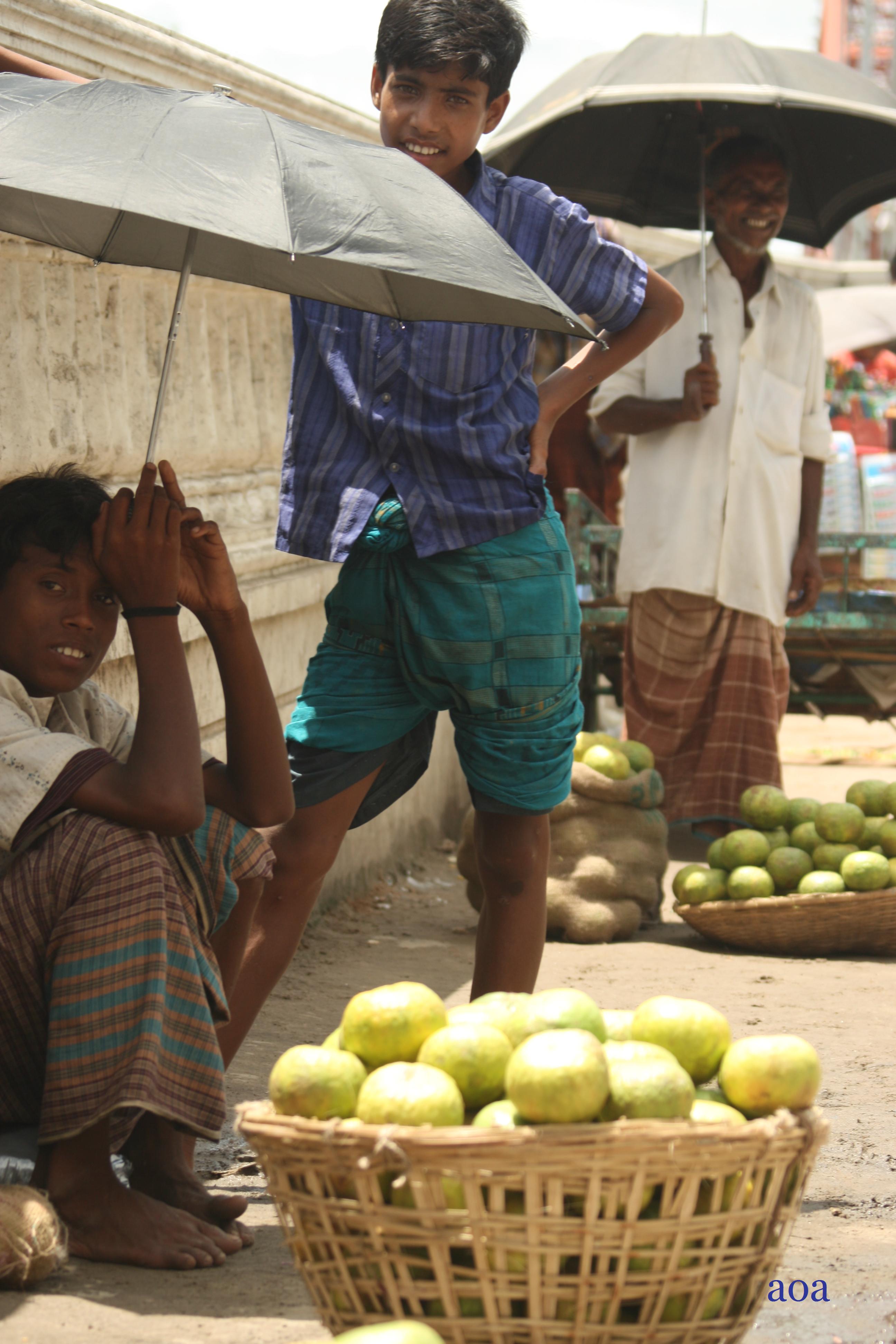
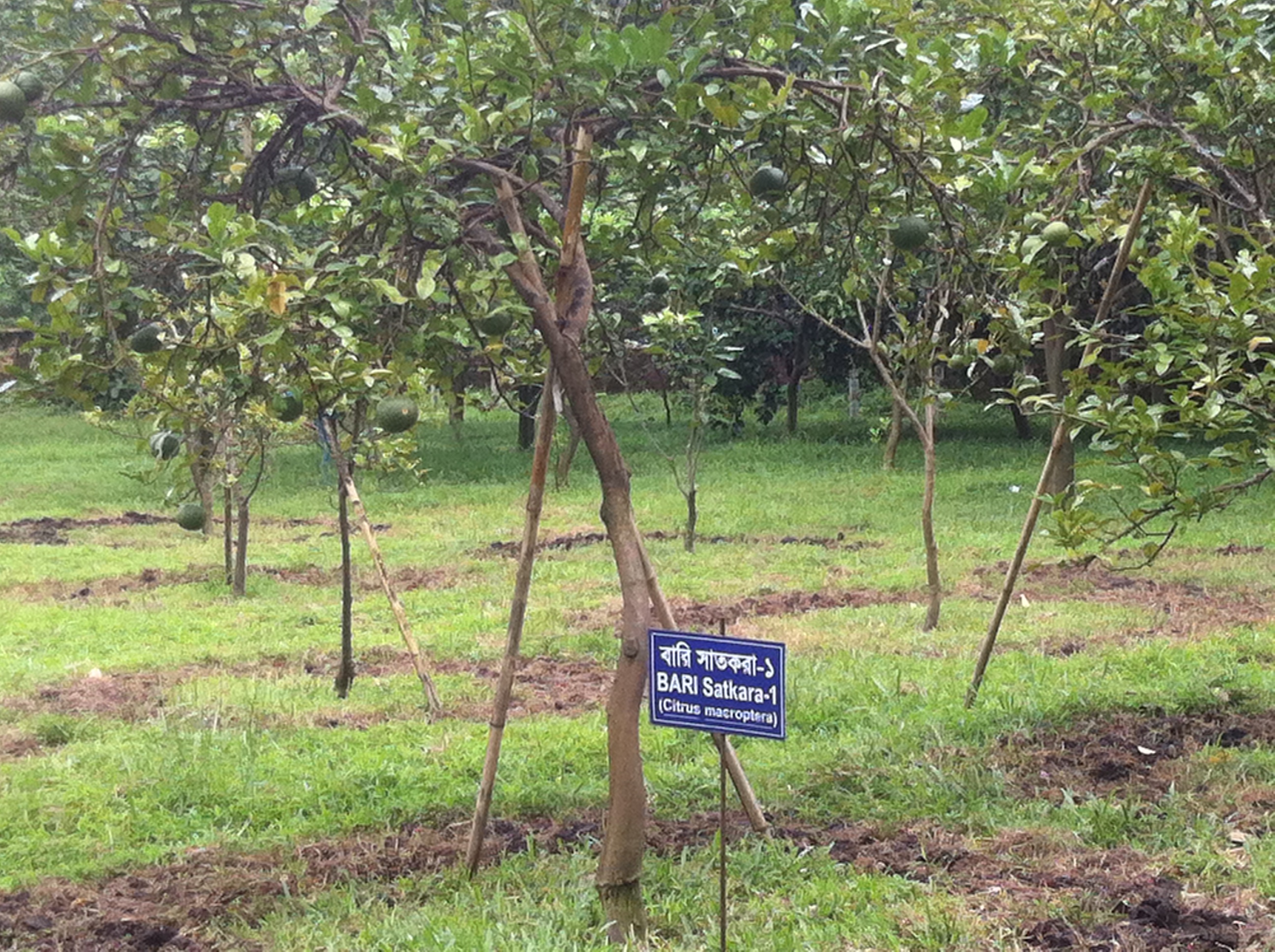
Satkara, also spelt shatkora, is Citrus macroptera, a member of the citrus family Rutaceae. A 2017 review in the journal Evidence-Based Complementary and Alternative Medicine describes it as a semi-wild citrus native to Malesia and Melanesia that grows in most homesteads and in the hill tracts of Bangladesh's Sylhet division. It is also widely grown in the Barak Valley of the Indian state of Assam. The thorny tree reaches about 5 metres; the fruit is about 6 to 7 cm across, with a fairly smooth, moderately thick rind that turns yellow when ripe. The pulp is quite dry, gives little juice and tastes bitter and somewhat sour.
In Sylhet it is mainly the thick rind that is eaten, as a vegetable; the pulp is usually thrown away because of its bitter-sour taste. Pieces of green or ripe rind are cooked in beef, goat and fish curries and in lentils, sun-dried for later use and pickled. A 2015 report in The Daily Star called shatkora particularly suited to meat dishes and good for achar (pickle). The same report described the Citrus Research Station at Jaintiapur in Sylhet, part of the Bangladesh Agricultural Research Institute (BARI), established in 1961 on 119 acres, where seedlings of several citrus types, shatkora among them, go on sale from July.
A Sylheti dish loved across the country
Satkara beef has its origins in the Sylhet Division but is now popular throughout Bangladesh and among British Bangladeshis in the United Kingdom, and it is a particular favourite at Eid ul-Adha. Its core ingredients are beef, satkara, onion, garlic and bay leaf. It is usually served with white or glutinous rice and a salad of cucumber, tomato and onion. Some cooks make the same dish with fish or other meats in place of beef.
Ingredients
- Beef, 1 kg
- Satkara, 1
- Chopped onion, 1 cup
- Onion paste, 1 cup
- Garlic paste, 1.5 tablespoons
- Ginger paste, 1 tablespoon
- Chilli powder, 1 tablespoon
- Turmeric powder, half a tablespoon
- Ground coriander, 1 tablespoon
- Ground cumin, half a tablespoon
- Garam masala powder, half a teaspoon
- A few bay leaves, pieces of cinnamon and cloves
- Oil, 1 cup
- Water as needed
- Salt to taste
Method
- Wash the beef well and drain it. Clean and wash one satkara and cut it into small pieces.
- Put the meat in a karai and add, one by one, the chopped onion, onion paste, garlic and ginger paste, all the ground spices, bay leaves, cinnamon, cloves, oil and salt. Mix well and braise slowly over a medium flame so the spices work into the meat.
- After braising for a while, take off the lid and stir every five or six minutes, braising a little longer.
- When the meat is half cooked, add the satkara pieces. Add water as needed, cover and simmer on a low flame so the sourness of the satkara blends into the meat.
- When the meat is tender, sprinkle over the garam masala and cook for a few more minutes. Take it off the heat and serve with rice.
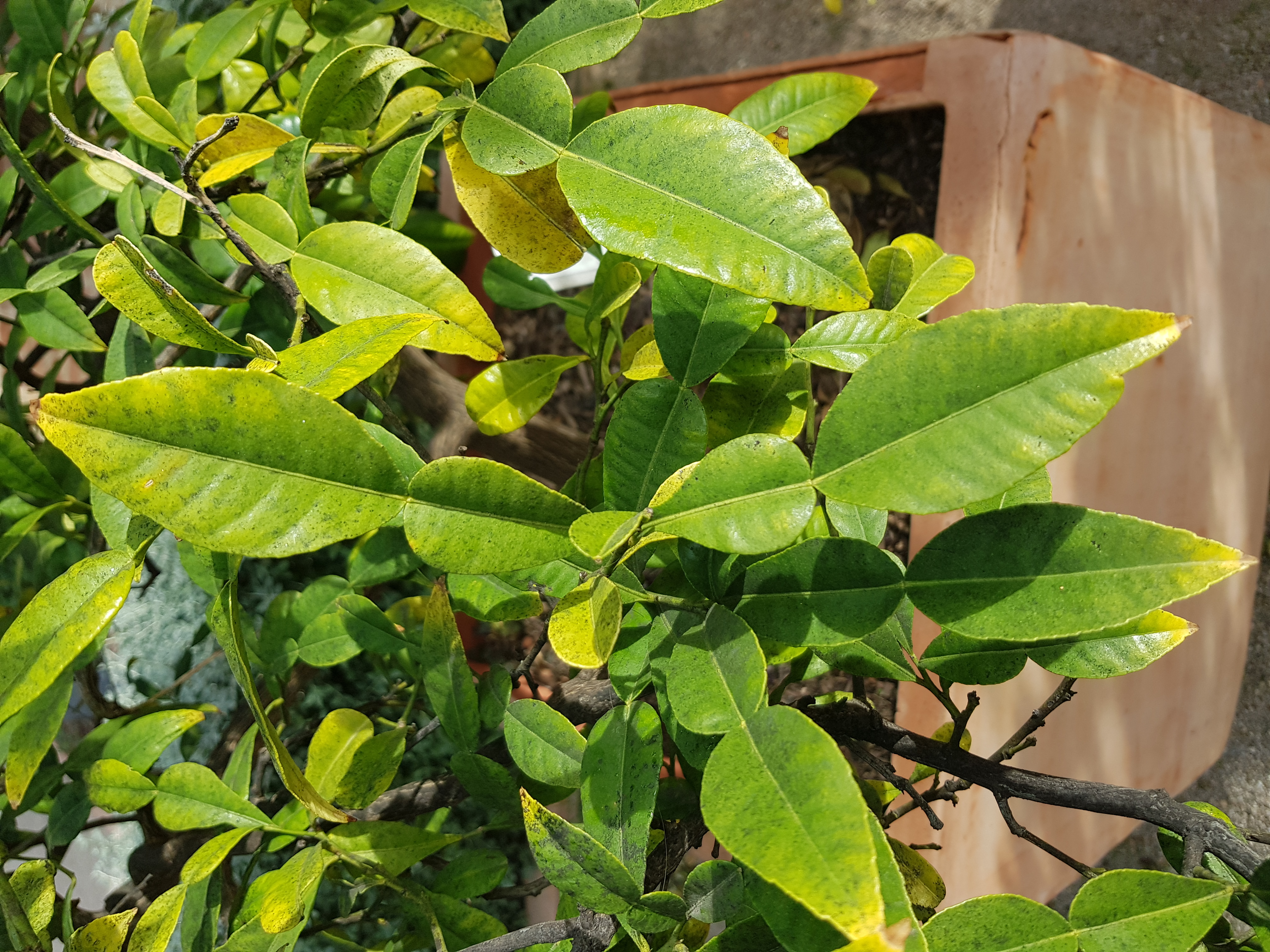
Photo: Akhtar Owais Ahmed / Wikimedia Commons (CC BY 2.0)
Sources: Jagonews24, The Daily Star, Evidence-Based Complementary and Alternative Medicine (2017), Wikipedia
Comments
(0)