
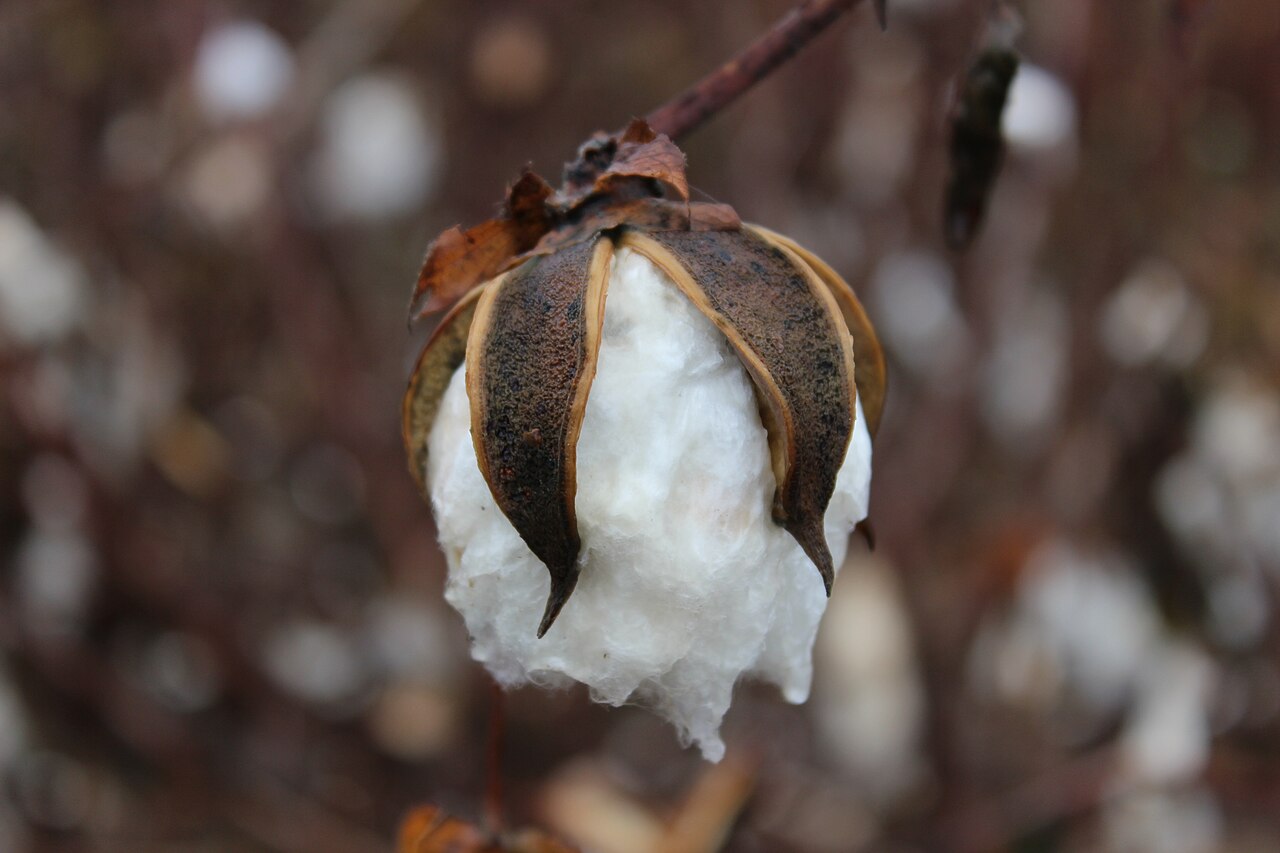
Cotton is being grown commercially in the Sylhet region for the first time, in Srimangal, Moulvibazar. In Saitula village of Ashidron union, farmer Tapas Kumar Kurmi planted the high-yielding CB Hybrid-1 variety of cotton as a trial and expects a good harvest.
He sowed the seed in July on about 4.5 kear of land (kear is a local land measure). Land preparation, sowing and care have cost about Tk 35,000 to 40,000. The Cotton Development Board estimates a harvest of about 60 maunds; sold at Tk 4,000 a maund, that would bring in about Tk 2.5 lakh.
Tapas Kumar Kurmi said the plants have done well and he plans to expand if the yield is good. Md Masukur Rahman, sub-assistant agriculture officer at the Srimangal upazila extension office, also expects about 60 maunds on early estimates and said new land has been identified to expand cotton.
Cotton Development Board officer Shuk Dev Roy said heavy rain was a problem at first, but plants on about five bighas are now in good condition. Seeing farmers' interest, the board plans cotton on about 300 bighas in coming seasons.
Upazila agriculture officer Md Alauddin said joint work by the extension department and the cotton board has brought the prospect of a good yield this season, and that the area's higher land has room for more cotton.
According to the Cotton Development Board, most of Bangladesh's cotton demand is met by imports. If the trial on high land in this tea and paddy country succeeds, it could open a new income for farmers and help cut import dependence. Agricare24 carried the report from BD Global Times.
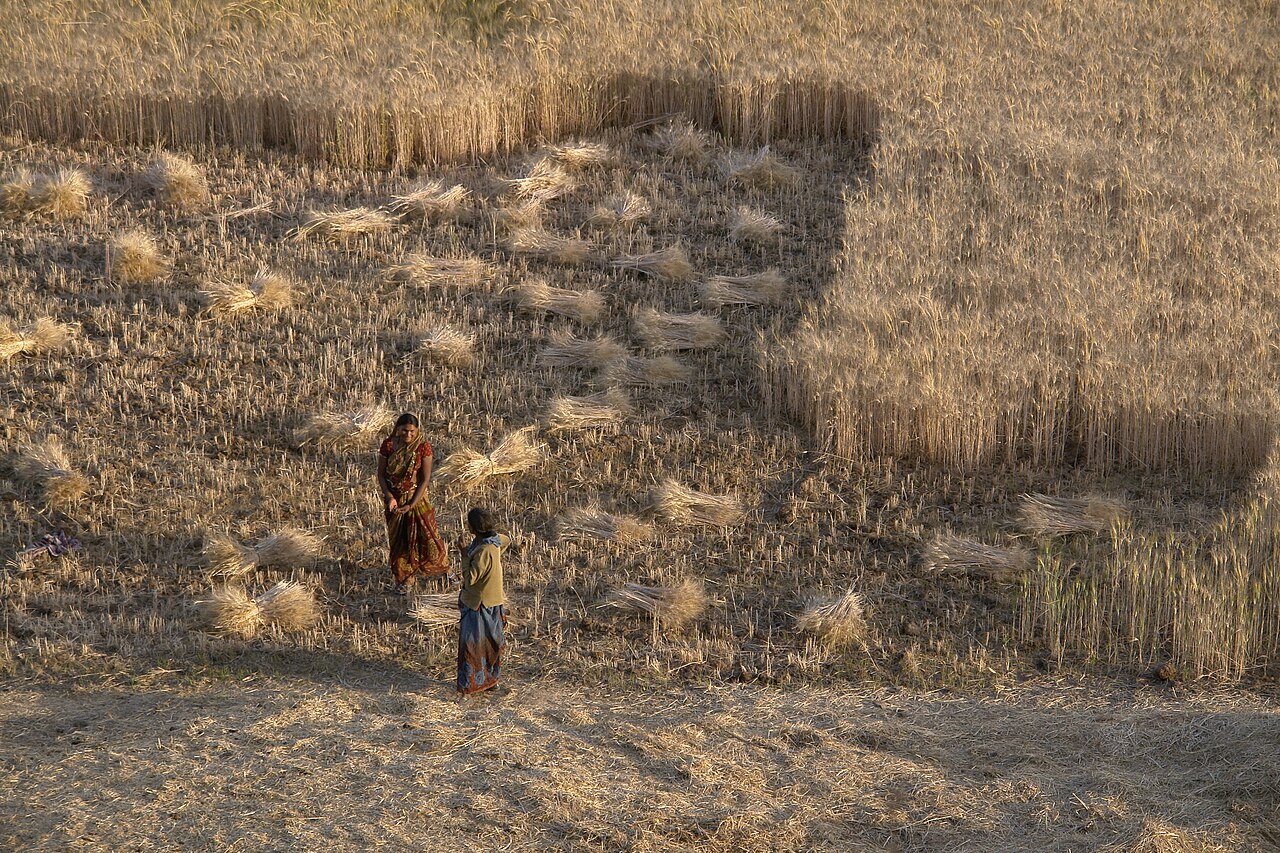
Photo: Michael Bass-Deschenes / Wikimedia Commons (CC BY 2.0)
Source: Agricare24
Comments
(0)