
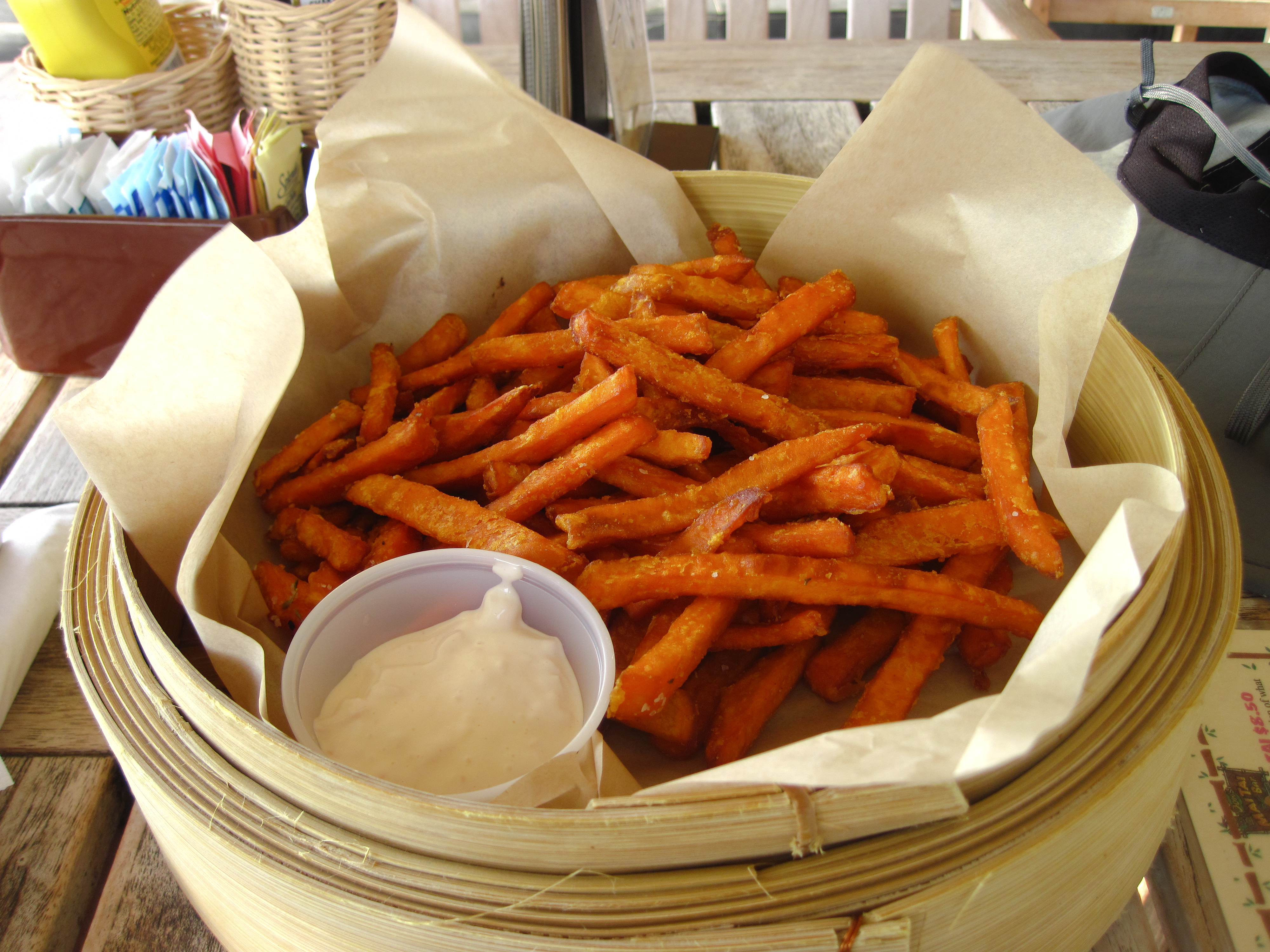
On 12 January 2026 the lifestyle desk of the Bangladeshi news portal Jagonews24 published a recipe for street-style sweet potato French fries, a variation on the restaurant favourite that can be made in a home kitchen with five ingredients: medium-sized sweet potatoes, salt, vinegar, water and cooking oil. The method is short. The sweet potatoes are peeled and cut into long strips, parboiled for about three minutes in boiling water with salt and vinegar, dried on a clean cloth and then fried on a medium flame until they are golden and crisp outside and soft inside.
The desk opened its recipe with the observation that hardly anyone dislikes French fries, and that at a restaurant a meal can feel incomplete without them, since hot fries served beside fried chicken, burgers or fish fry vanish from the plate in moments. For readers who wanted a different taste, it suggested fries made from sweet potato: golden and crisp on the outside, soft inside and quite distinct in flavour. It presented the dish as a special treat for guests or for an afternoon snack, made with ingredients most homes already have, and said the new form might make people keener to eat sweet potato.
Below, the recipe is set out as Jagonews24 gave it, followed by background from agricultural, statistical and food-safety authorities: what the sweet potato is, how much of it Bangladesh grows, what it contains, and what food-safety agencies advise about frying starchy foods and handling hot oil at home.
The recipe as Jagonews24 published it
Ingredients, as listed by Jagonews24:
- Sweet potatoes: 5 to 6, medium-sized
- Salt: to taste
- Vinegar: 1 teaspoon
- Water: as needed
- Cooking oil: as needed
Method:
- Peel the sweet potatoes and trim both ends slightly. Cut them lengthwise into long strips, like French fries. Do not throw away the trimmings left over from cutting: keep them aside to make chutney.
- Bring water to the boil in a pan, add the sweet potato strips with salt and the vinegar, and parboil them for about three minutes, then lift them out. Do not boil them too long, or they may break while frying.
- Spread the parboiled strips on a tray over a clean cloth and pat them gently to dry off the extra water on their surface. This helps them turn properly crisp in the oil.
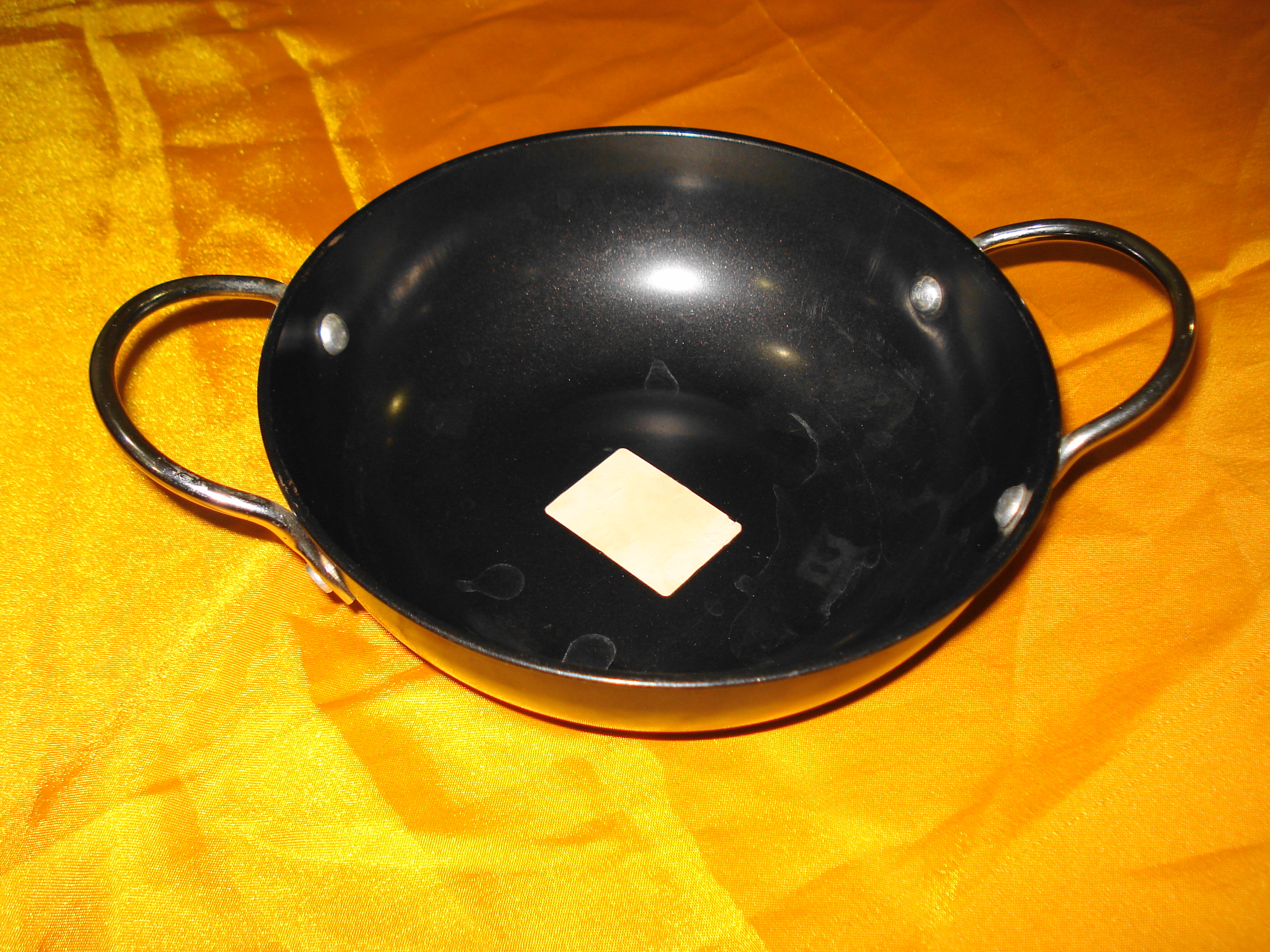
- Heat oil in a karai, a deep frying pan. When the oil is well heated, slip the strips in slowly. Keep the flame at medium and fry, so that the potatoes stay soft inside and turn golden and crisp outside.
- When the fries have taken on a golden colour, lift them out and let the oil drain off well. Serve them hot with a hot, sour and sweet chutney and your favourite sauce.
The recipe did not give quantities for the salt, the water or the oil, leaving them to the cook, and it did not include a separate method for the chutney: the trimmings are simply kept for whatever chutney the household usually makes. Two of its steps, the short parboil and the drying of the strips before they go into the oil, correspond closely to advice that food-safety agencies give for fried potato products, as the sections below explain.
What the sweet potato is
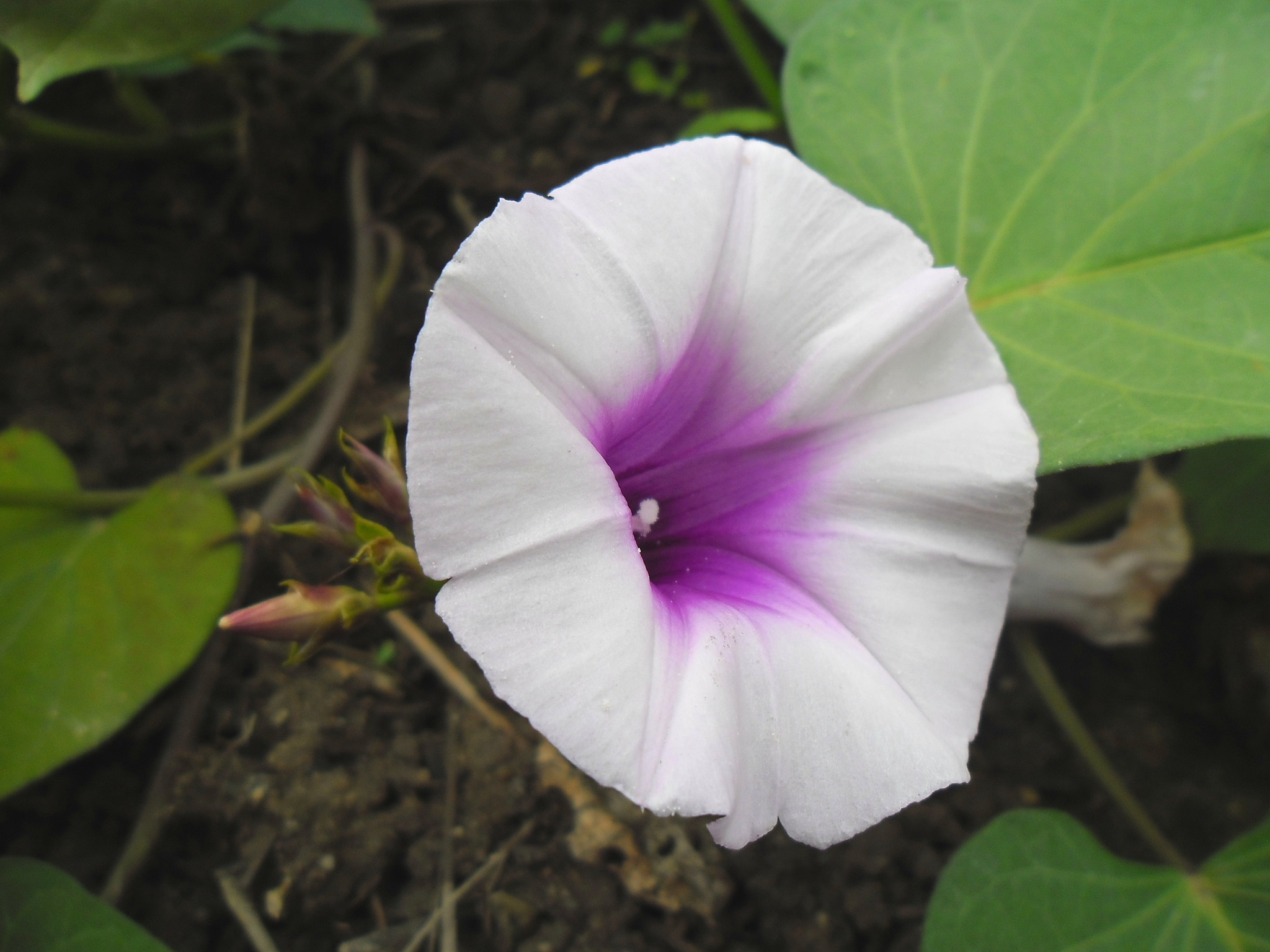
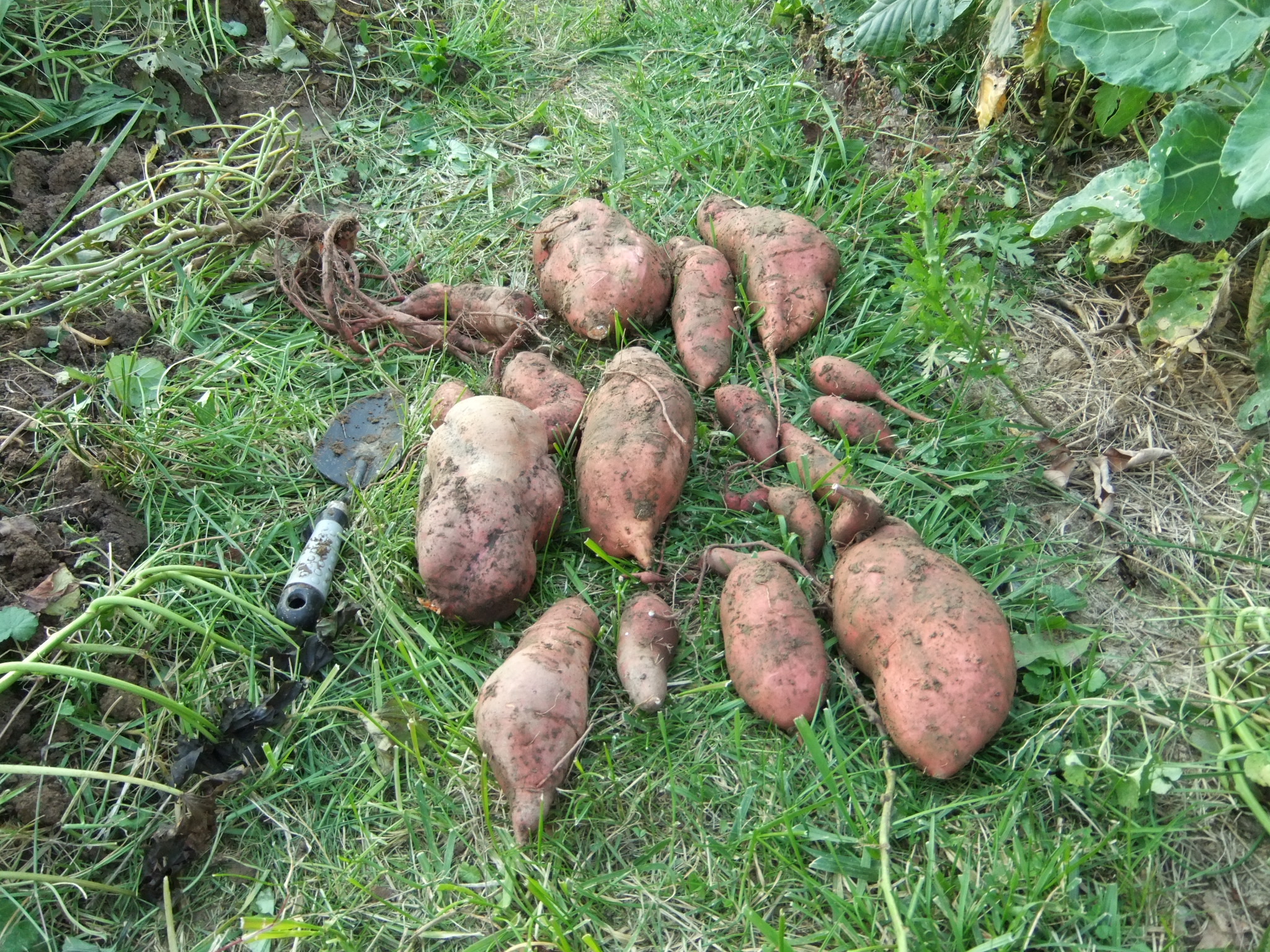
The sweet potato, Ipomoea batatas, belongs to the morning-glory family, Convolvulaceae. According to the International Potato Center (CIP), the CGIAR research centre in Lima, Peru, that works on the crop, it is not related to the potato in spite of its name. The potato we eat is a tuber, a thickened stem, while the part of the sweet potato we eat is a storage root, an enlarged lateral root of the plant. The centre adds that yams, despite their physical similarity, are not related either. The sweet potato was first domesticated more than 5,000 years ago in Latin America, and CIP describes it as grown in more developing countries than any other root crop.
Banglapedia, the national encyclopedia of Bangladesh, describes the sweet potato as a dicotyledonous, herbaceous and perennial vine that is normally cultivated as an annual. It is known locally as mitha alu, misti alu or shakarkanda alu. Cultivation is generally propagated from vine cuttings, and the edible parts are the swollen storage roots. The plant grows best where both the days and the nights are warm. In Bangladesh, the encyclopedia says, sweet potato is an important supplementary food and is used as a vegetable throughout the country, while the young stems and leaves are eaten as vegetables and also used as fodder.
CIP explains that the plant can reproduce in three ways: from seed, from the storage roots themselves, or from its vines. Farmers grow it by vegetative propagation, taking stem cuttings from the vines, which root and form new storage roots; in some colder climates, where the vines do not develop well, producers plant roots instead, and botanical seed is used in breeding programmes. The crop grows at altitudes from sea level to 2,500 metres, needs fewer inputs and less labour than crops such as maize, and tolerates marginal conditions such as dry spells and poor soil. According to the centre, sweet potatoes produce more edible energy per hectare per day than wheat, rice or cassava.
Worldwide, CIP ranks the sweet potato as the sixth most important food crop after rice, wheat, potatoes, maize and cassava, and the fifth most important in developing countries. More than 105 million metric tons are produced globally each year, 95 per cent of them in developing countries. Although the crop's origins lie in Latin America, Asia is now the largest producing region, with more than 90 million tons a year, and China is the world's biggest producer and consumer, using the crop for food, animal feed and processing into starch and other products. The centre also records the crop's history as a famine food: the Japanese turned to it when typhoons destroyed their rice fields, it kept millions from starvation in famine-hit China in the early 1960s, and it came to the rescue in Uganda in the 1990s when a virus ravaged cassava.
Sweet potato in Bangladesh: varieties and harvest figures
Banglapedia lists the sweet potato among the important tuber crops grown in Bangladesh, alongside potato, aroids, yam, cassava and yam bean. It gives the average yield as about 10 tonnes per hectare and names the varieties released in the country with their yields: Kamala Sundari (40 to 45 tonnes per hectare), Tripti (40 to 50), Daulatpuri (30 to 35), BARI Sweet Potato-4 (30 to 35) and BARI Sweet Potato-5 (35 to 40). The BARI varieties carry the name of the Bangladesh Agricultural Research Institute. According to Banglapedia, BARI is responsible for research on all crops except rice, jute, sugarcane and tea, which have separate institutes. It began in 1908 as the Agricultural Research Laboratory, Bengal, in Dhaka, became BARI in 1976 and has its central station at Joydebpur, in Gazipur; among its crop-based research centres is a Tuber Crops Research Centre, and the encyclopedia credits it with a good contribution to the development of wheat, potato, mustard and vegetables.
The Bangladesh Bureau of Statistics (BBS) counts the crop every year in its Yearbook of Agricultural Statistics. The 2024 edition, the 36th in the series, was published in June 2025 and was the latest available when the recipe appeared. Its preface explains that the yearbook gives annual estimates of area and production for 146 crops, six of which are treated as major crops: Aus, Aman and Boro rice, wheat, potato and jute. The sweet potato is one of the minor crops, reported in the table of other food crops.
According to the yearbook's district table, Bangladesh grew sweet potato on 65,524.21 acres in 2021-22, producing 279,800.96 metric tons. In 2022-23 the area was 71,510.81 acres and production 303,710.05 tons, and in 2023-24 the area was 69,071.03 acres and production 302,073.46 tons.
The crop is grown across the country, but the coastal south-east stands out in the BBS figures. Noakhali district reported 14,087.09 acres and 56,366.43 tons in 2023-24, after 14,039.24 acres and 55,357.59 tons in 2022-23, the highest district figure in the table, and Chattogram Division as a whole reported 29,257.88 acres and 121,310.55 tons in 2023-24. In Barishal Division, the island district of Bhola reported 4,710.88 acres and 17,471.03 tons in the same year. Close to the capital, by contrast, Dhaka district reported 178.72 acres and 1,462.11 tons.
What a sweet potato contains
The United States Department of Agriculture's FoodData Central database, in its SR Legacy reference data published in April 2019, lists the following for 100 grams of raw, unprepared sweet potato: 77.28 grams of water, 86 kilocalories of energy, 20.12 grams of carbohydrate, 3.0 grams of dietary fibre, 1.57 grams of protein and 0.05 grams of fat. The same entry lists 337 milligrams of potassium, 2.4 milligrams of vitamin C, 709 micrograms of vitamin A (as retinol activity equivalents) and 8,509 micrograms of beta-carotene. These figures describe the raw root, not the fried strips.
CIP notes that sweet potato varieties range in skin and flesh colour from white to yellow, orange and deep purple. Orange-fleshed sweet potato is an important source of beta-carotene, the precursor of vitamin A; according to the centre, just 125 grams of fresh roots from most orange-fleshed varieties contain enough beta-carotene to meet the daily pro-vitamin A needs of a preschool child. The centre adds that the sweet potato is also a valuable source of vitamins B, C and E and contains moderate levels of iron and zinc, and that the leaves and shoots, which are also edible, are good sources of vitamins A, C and B (riboflavin).
Fries are a fried snack rather than a boiled or steamed vegetable dish. Readers who have diabetes, heart disease, high blood pressure or another condition that calls for a particular diet should ask a doctor or a registered dietitian how fried snacks of this kind fit into what they eat.
Why frying browns the strips, and what acrylamide is
The golden colour the recipe asks for comes from a chemical change. The UK Food Standards Agency (FSA) explains that during high-temperature cooking, water, sugar and amino acids combine to create a food's characteristic flavour, texture, colour and smell, a process called the Maillard reaction. The same process produces acrylamide, a chemical substance formed when starchy foods such as potatoes and bread are cooked at temperatures above 120 degrees Celsius, whether they are baked, fried, grilled, toasted or roasted. Acrylamide is not added to food deliberately: it is a natural by-product of cooking. The FSA lists roasted potatoes and root vegetables, chips, crisps, toast, cakes, biscuits, cereals and coffee among the foods in which it is found, and says that long cooking times and higher temperatures form more acrylamide than short times and lower temperatures.
The US Food and Drug Administration (FDA) says acrylamide forms from sugars and an amino acid, asparagine, that are naturally present in food. It was first detected in certain foods in April 2002, although it has probably always been present in cooked foods. Boiling and steaming do not typically form acrylamide, and it is found mainly in foods made from plants, such as potato products, grain products and coffee, rather than in dairy, meat and fish. The FDA's published survey data on acrylamide in food include sweet potato chips among the snack products tested, alongside potato chips. The European Union's acrylamide regulation of 2017 likewise asks makers of baby jar foods to choose varieties of sweet potato that are as low as possible in acrylamide precursors such as reducing sugars and asparagine.
On the health question, the FDA notes that acrylamide caused cancer in animals in studies where the animals were exposed to very high doses, and that in 2010 the Joint FAO/WHO Expert Committee on Food Additives (JECFA) concluded that acrylamide is a human health concern. The European Food Safety Authority (EFSA) published its full risk assessment in 2015, concluding that acrylamide in food potentially increases the risk of developing cancer for consumers in all age groups. The FSA says it is not possible to estimate how much the risk is increased, and recommends, as a precaution, that the amount everyone consumes be reduced. The FDA's own advice is not to stop eating fried, roasted or baked foods, but to follow a healthy eating plan that emphasises fruits, vegetables and whole grains and limits saturated fats, trans fats, salt and added sugars.
Food-safety advice that matches the recipe's steps
Several of the agencies' practical tips fit the Jagonews24 method directly. The FDA says that, comparing frying, roasting and baking, frying potatoes causes the most acrylamide formation. It advises that soaking raw potato slices in water for 15 to 30 minutes before frying or roasting helps reduce acrylamide formation, and that soaked potatoes should be drained and blotted dry before cooking to prevent splattering or fires. It also advises cooking cut potato products such as French fries to a golden yellow colour rather than brown, because brown areas tend to contain more acrylamide.
The FSA gives the same colour rule for home cooks: aim for a golden yellow colour or lighter when frying, baking, toasting or roasting starchy foods. Jagonews24's instruction to lift the fries out as soon as they turn golden follows the same principle.
For restaurants, cafes and other food businesses, the European Union set out measures in Commission Regulation (EU) 2017/2158 of 20 November 2017, which has applied since 11 April 2018. Its rules for French fries and other cut, deep-fried potato products include washing and soaking the raw strips, preferably for 30 minutes to 2 hours in cold water, or soaking them for a few minutes in warm water, and rinsing them in clean water before frying. The regulation states that blanching potatoes results in lower levels of acrylamide and that blanching is appropriate where possible. It requires frying temperatures below 175 degrees Celsius, and in any case as low as possible within food-safety requirements, and asks cooks to keep frying oil in good condition by skimming it frequently to remove crumbs. It sets a benchmark level of 500 micrograms of acrylamide per kilogram for ready-to-eat French fries.
The recipe's three-minute parboil in salted water with vinegar is a brief blanching step, and its medium flame and golden finish point the same way as these rules. The agencies wrote their advice for potatoes, not specifically for sweet potatoes, and none of them gave a separate home rule for sweet potato fries; their general principles of shorter cooking, lower temperatures and a golden rather than brown colour apply to starchy foods as a whole.
Hot oil and salt: safety points for the home cook
Deep frying in a karai means a large volume of very hot oil on an open flame. The US Fire Administration, part of the Federal Emergency Management Agency, says cooking is by far the leading cause of home fires and home fire injuries in the United States. In 2021, it says, fire departments there responded to an estimated 170,000 home cooking fires, which caused an estimated 135 deaths, 3,000 injuries and more than 494 million dollars in property loss, and unattended equipment was the leading factor (37 per cent) in the home cooking fires that were not confined to the cooking vessel.
The agency's safety messages for cooks are short:
- Stand by your pan. If you leave the kitchen, turn the burner off.
- Watch what you are cooking. Fires start when the heat is too high; if you see any smoke or the oil starts to boil, turn the burner off.
- Turn pot handles toward the back of the stove so that no one can bump them or pull them over.
- Keep a pan lid or a baking sheet nearby, and use it to cover the pan if it catches fire; this puts the fire out.
The recipe's drying step matters here too: as the FDA notes, potatoes that have been soaked in water should be drained and blotted dry before they go into hot oil, to prevent splattering or fires.
Salt is the one seasoning the recipe uses, added to taste in the parboiling water, and the fries are served with chutney and sauce. The World Health Organization (WHO) recommends that adults eat less than 2,000 milligrams of sodium a day, which is less than 5 grams of salt, or just under a teaspoon, and that the amount for children aged 2 to 15 be adjusted downward according to their energy needs. The WHO also notes that condiments such as soy sauce and fish sauce can be high in sodium, and advises limiting commercial sauces, dressings and instant products, which is worth keeping in mind when choosing the sauce to serve alongside.
Photo: Sanjay Acharya / Wikimedia Commons (CC BY-SA 3.0)
Sources: Jagonews24, International Potato Center (CIP), Banglapedia, Bangladesh Bureau of Statistics (Yearbook of Agricultural Statistics 2024), USDA FoodData Central, UK Food Standards Agency, US Food and Drug Administration, European Food Safety Authority, World Health Organization (JECFA; salt reduction), European Union (Regulation (EU) 2017/2158), US Fire Administration

Comments
(0)