
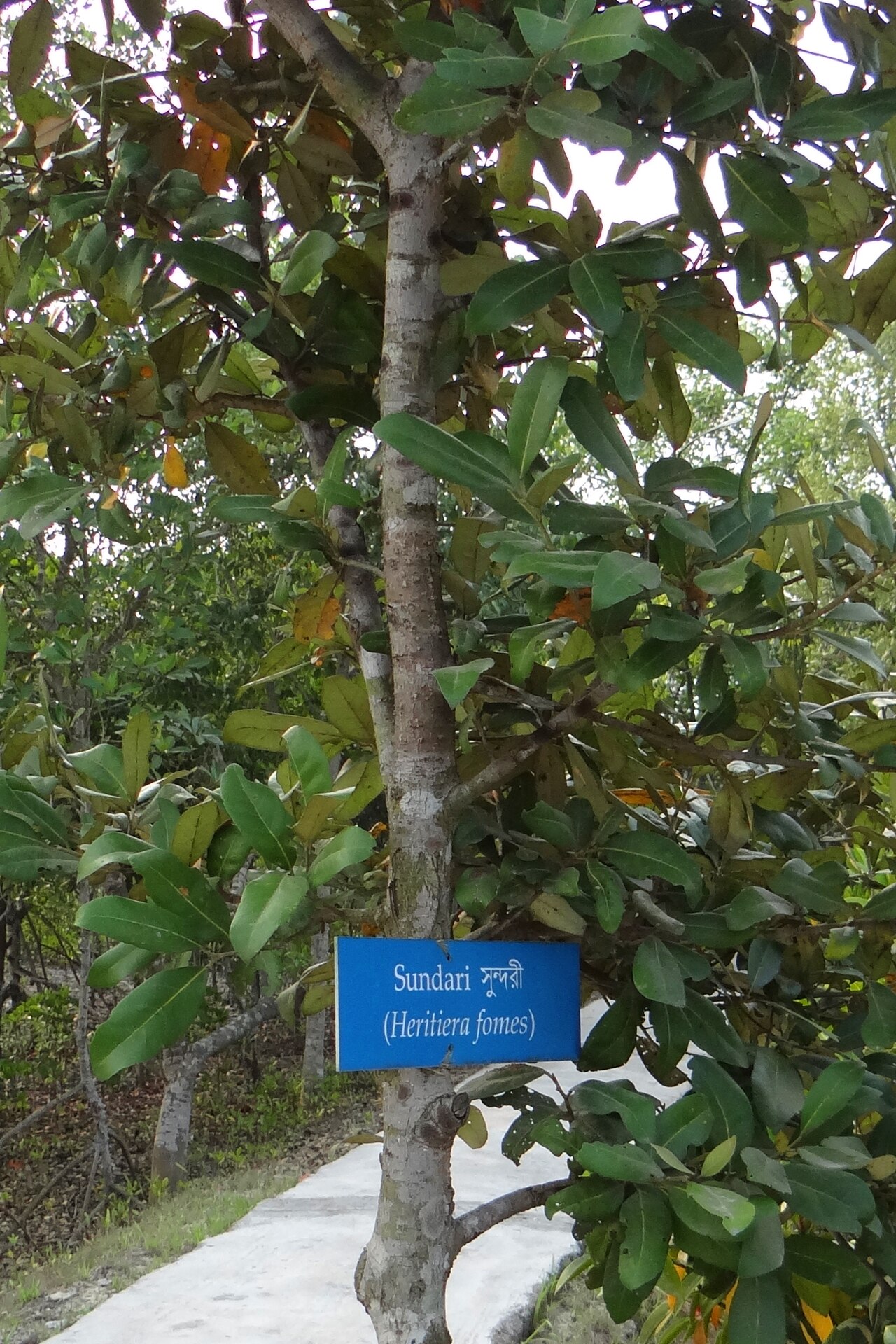
The sundari, the tree that gives the Sundarbans, the world's largest mangrove forest, its name, is in serious trouble from top-dying disease, blamed on a sharp fall in freshwater flow and abnormally high salinity. A report by Krishi Shomoy's Khulna correspondent, citing a new study, says the forest's overall capacity to absorb carbon has already fallen by 15 percent.
Professor Dr Anwarul Kadir said less fresh water and more salt had made it hard for the sundari to grow and survive. In top-dying the upper part of the tree gradually dries out and dies, and weakened trees are easily attacked by pathogens, fungi and bacteria. Salt-tolerant species such as gewa, bain and keora are spreading instead, changing the forest's plant mix.
The study found that in places other species are regenerating naturally where sundari used to, the report says. Long-term changes in the number, health and spread of sundari could affect the forest's tree structure, wildlife habitat, food chains and the growth of other plants.
The Sundarbans shields the coast, and its trees draw carbon dioxide from the air and store carbon. Environmentalists and forest researchers say a fall in carbon uptake is therefore not just a problem for one tree but a warning for the coast and the climate balance, and that how the decline, growth and regeneration of sundari affect carbon storage needs closer analysis.
Experts advise regular monitoring first, assessing diseased trees and mapping high-risk areas, together with sustained research on soil salinity, freshwater flow, the navigability of rivers and creeks, siltation and natural regeneration. Keeping water flowing normally, using scientific data in forest management and better coordination among research bodies are also needed.
Regular assessment of diseased trees and new seedlings would make it easier to judge future risk and plan conservation, the experts say. Without timely action, the loss of sundari could make it harder still to keep the forest's natural balance in the long run.
Photo: Sarangib / Wikimedia Commons (CC0)
Source: Krishi Shomoy


Comments
(0)