
Bolivia has declared a nationwide state of emergency to mobilise resources and personnel quickly against the effects of El Nino. President Rodrigo Paz signed the decree on Saturday, and rescue teams were ordered to step up work in areas badly hit by floods and drought. Ittefaq reported the news citing Al Jazeera.
President Paz said El Nino could have an 'extremely severe impact' through drought and floods, and that every institution in the country would need to cooperate to deal with it.
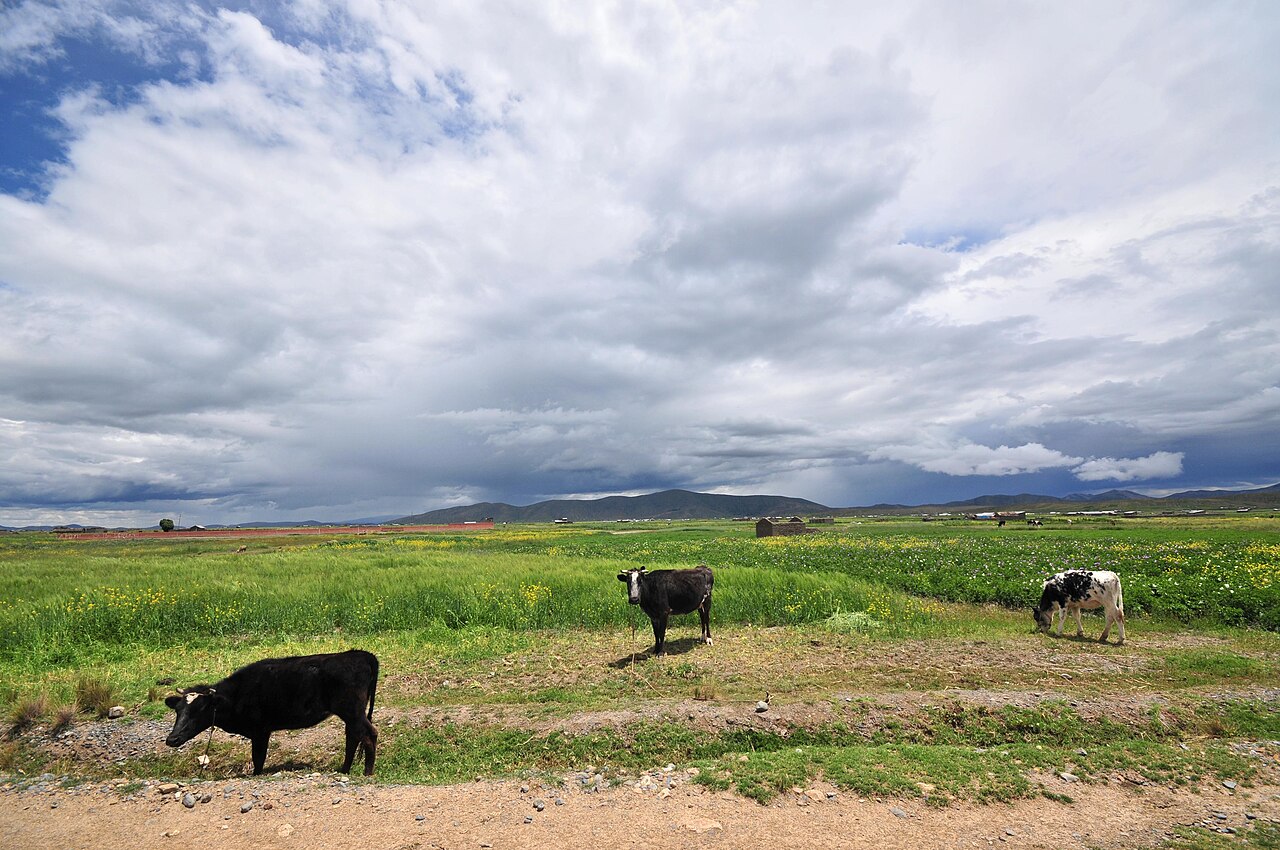
According to a government report, drought has already affected 78,000 families in six of Bolivia's nine administrative departments and killed more than 75,000 head of livestock. The country also faces a flood risk; in December 2025 severe floods in the Santa Cruz region killed dozens of people.
Neighbouring countries are seeing extreme weather too. Santiago, the capital of Chile, had record rainfall in October, and in Peru wildfires killed at least 12 people last month.
El Nino is a natural climate event that usually returns every two to seven years. When the waters of the Pacific warm abnormally, wind patterns, air pressure and rainfall change around the world, bringing drought, floods and extreme weather to different regions. Its strength and effects vary from place to place.
The report says there are fears the current cycle could become the strongest El Nino on record. Its effects are expected to peak in late 2026 but may last into 2027. The scale of livestock losses in Bolivia shows how much risk El Nino carries for farmers and herders.
Photo: Neil Palmer (CIAT) / Wikimedia Commons (CC BY-SA 2.0)
Source: Ittefaq

Comments
(0)