
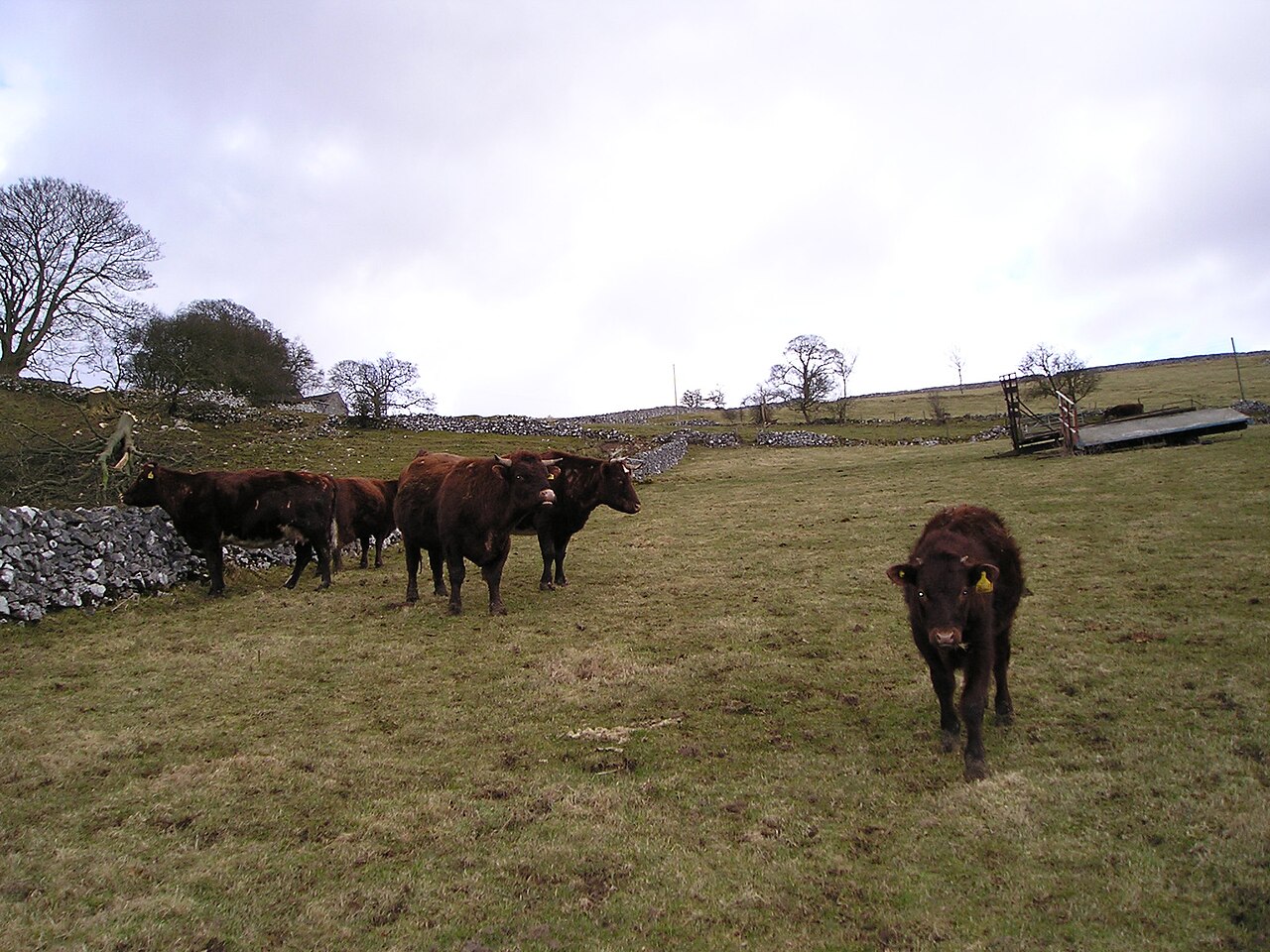
Making more use of genetic data in breeding decisions is key to improving the productivity and efficiency of suckler herds, said Harriet Bunning, lead animal genetics expert for beef at AHDB, speaking for the levy board's Stronger herds for stronger returns campaign, Farmers Weekly reported. Recording figures helps both to sell breeding bulls and heifers and to breed better ones. "The more data is used, the more accurate the evaluation," she said.
Breeders are looking more at efficiency, she said: "a cow that can cope on 'not much'", balancing cow weight against calf carcass weight so that a smaller cow can still rear a slightly bigger calf. Estimated breeding values (EBVs) combine all the figures into one value for a trait and can show what the eye cannot, such as long-lived daughters. She recommends measuring weaning efficiency, calf weight as a percentage of cow weight, which means weighing cows as well as calves, and says age at first calving is really about the ability to get in calf first time.
At the Croxton Park Partnership near St Neots, Cambridgeshire, farm manager Omer Hassouneh has bred out 900-1,000kg animals from the pedigree Shorthorn suckler herd to reach an average cow weight of 750kg, aiming for "a functional cow that can survive on poor-quality grazing and look after her calf". Calves are weaned at eight months at 350-400kg. He culls any cow not in calf, and heifers calve at 30 months, in November and December, before joining the main spring block.
Housing was the other lesson. Livestock buildings specialist Jamie Robertson said poor roof ventilation is "a massive problem and a common failure of builders, even now". The farm's 36m shed, put up in 2016 for 45 suckler cows and calves, has 18 crown-cranked ridge vents giving 1.2 sq m of outlet, against the 4.5 sq m the cows need, about 0.1 sq m per cow plus extra for calves. "There's probably one-quarter of what's needed," he said, noting a cow produces 40 litres of moisture a day, 1,800 litres for 45 cows.
His answer is an open ridge, which he costs at £60-£70 a metre, with matching inlet area in each side wall. Correcting ventilation would add 3-5% to daily liveweight gain in store cattle, and an open ridge in a similar building paid for itself in 18 months, he said, adding a warning that roof work is dangerous. The story was reported by Judith Tooth.
Photo: Marion Phillips / Wikimedia Commons (CC BY-SA 2.0)
Source: Farmers Weekly

Comments
(0)