
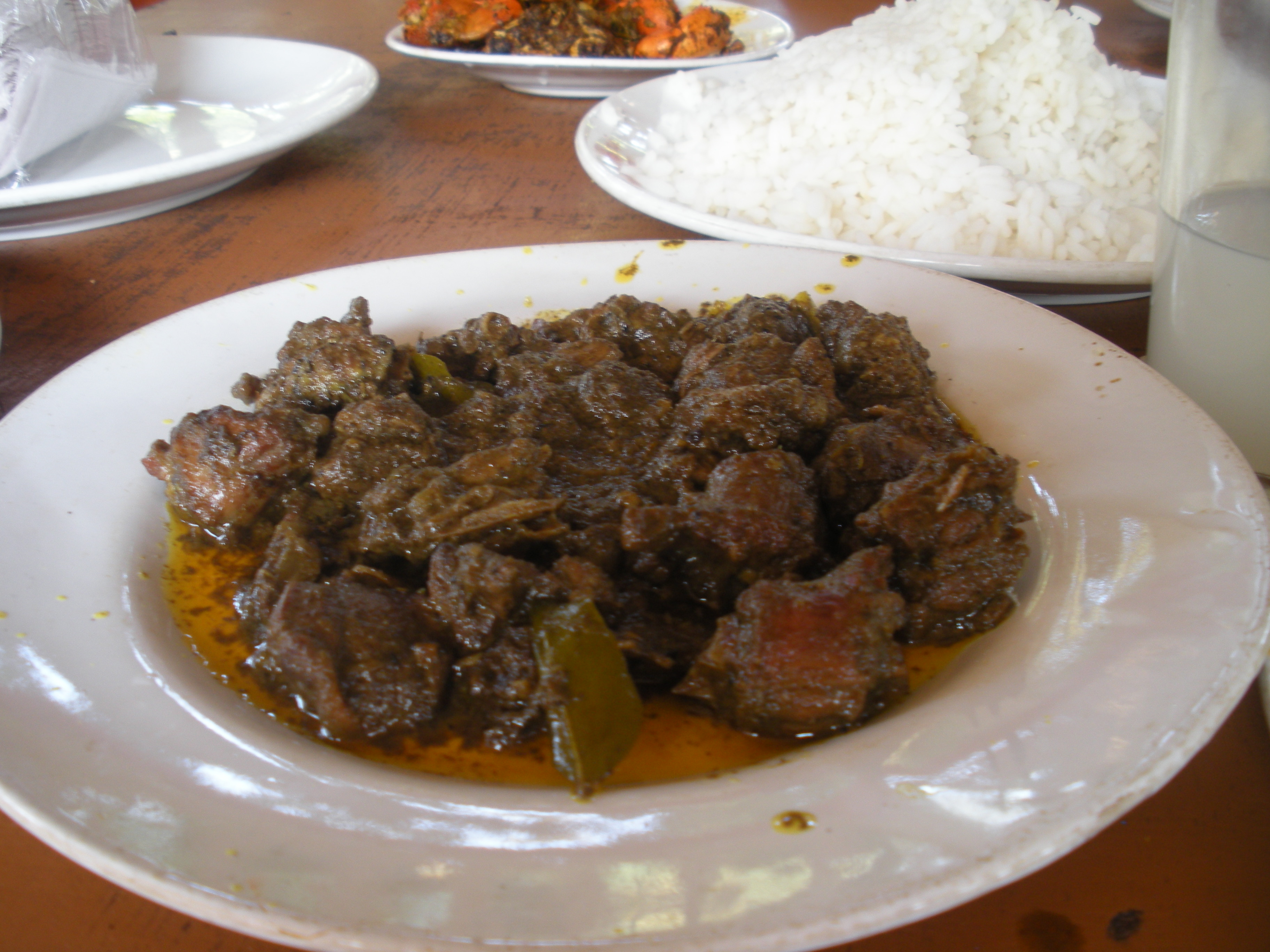
On Friday 30 January 2026 the lifestyle desk of the Bengali news site Jagonews24 published a recipe for jhal jhal hans bhuna, a spicy duck curry cooked down until its gravy is thick, as part of its Friday recipe series. The dish uses one kilogram of duck, mustard oil, pastes of onion, ginger and garlic, a set of powdered spices, coconut milk and fried onion, and the paper offered it as a dish for the weekly holiday lunch, when there is time to cook something slower and the whole family sits down to eat together.
The writer described the holiday lunch as the time for the dishes that a busy working week leaves no room for, and named spicy duck bhuna as one that stands apart on that list, for the deep colour of the fried spices, its sharp aroma and the gravy of tender meat. This report sets out the recipe as Jagonews24 gave it and compares the method with another established newspaper recipe. It adds background, all from material published before the recipe appeared, from the Department of Livestock Services (DLS), Banglapedia, an FAO good-practice note and food-safety authorities: what bhuna means, where the main ingredients come from, how many ducks Bangladesh raises and how, and how raw duck should be handled in the kitchen.
What bhuna means, and why duck is a cold-season dish
Bhuna is a way of cooking rather than a single recipe. In a recipe for winter duck bhuna published on 3 December 2023, the Bengali edition of The Daily Star explained that the dish people picture when they hear the word bhuna has little gravy and a coated, clinging texture: the spices stay on the pieces of meat, yet there is enough of them to mix with rice. The Jagonews24 recipe follows the same principle. The spices are fried in oil until cooked through, the meat is added and fried with them, only a little water goes in so that the meat can soften, and the pot comes off the heat once the gravy has thickened and the oil has risen to the top.
The Daily Star piece also observed that winter is when food lovers in Bangladesh turn to duck, and it suggested serving duck bhuna with rice-flour roti (chaler ruti), plain rice, polao, chhita ruti or paratha. Its method differed in detail from the Jagonews24 one. There, the meat was marinated for at least half an hour in the pastes and powdered spices with salt and four to five tablespoons of beaten yoghurt, then fried in mustard oil, cooked with hot water added a little at a time, and finished with about two spoons of ground nuts, two or three slit green chillies and a pinch of sugar. Jagonews24 instead fries the spices before the meat goes in and enriches the gravy with coconut milk and fried onion. Both are bhuna in the same sense: a well-fried, spice-coated dish with a small amount of thick gravy.
Duck meat itself differs from chicken. The US Department of Agriculture's Food Safety and Inspection Service (FSIS) explains in its guide 'Duck and Goose from Farm to Table' that ducks are birds of flight, so their breast meat is darker than chicken or turkey breast; the protein myoglobin, which holds oxygen in working muscle, gives the meat its darker colour. Because all the meat on a duck is dark, FSIS says, it has a stronger flavour than chicken breast and even chicken leg. Ducks also swim, and FSIS notes that they carry a layer of fat under the skin that keeps them buoyant. That fat is not marbled into the meat, so it can be trimmed from the surface of raw duck.
Ingredients for one kilogram of duck
Jagonews24 listed twenty ingredients:
- Duck meat, 1 kg
- Onion cut into cubes, half a cup
- Whole garlic cloves, 5
- Onion paste, 1 tablespoon
- Ginger paste, 1.5 tablespoons
- Garlic paste, 1 tablespoon
- Chilli powder, 2 teaspoons
- Turmeric powder, 1 teaspoon
- Coriander powder, 1 teaspoon
- Cumin powder, half a teaspoon
- Roasted cumin powder, half a teaspoon
- Coconut milk, 1 cup
- Fried onion (beresta), 3 tablespoons
- Garam masala powder, 1 teaspoon
- Bay leaves, 3
- Cinnamon, 4 pieces
- Cardamom, 4
- Salt, to taste
- Vinegar or lemon juice, 2 tablespoons
- Mustard oil, 1 cup
The list includes vinegar or lemon juice, but the method that follows does not say at which step it goes in, and it does not say when to add the salt. The recipe gives no number of servings and no cooking time. As a guide to quantities, FSIS suggests allowing about 1 to 1.5 pounds of raw whole duck per person, and notes that raw boneless meat yields about three servings per pound once cooked.
The method, step by step
Jagonews24 described the cooking in two paragraphs, set out here as steps in the same order:
- Cut the duck into pieces, clean and wash it, and let the water drain away.
- Set a pot on the stove and heat the oil with the bay leaves, cardamom and cinnamon.
- Add the cubed onion and the whole garlic cloves and fry until light brown.
- Add all the pastes and powdered spices and fry them well until the spices are cooked.
- Add the meat, mix it well with the spices, cover the pot and let it cook in the spices for a while.
- Once the meat has cooked in the spices, add a little water so that it can become tender.
- When the meat is half done, add the coconut milk and the fried onion, cover, and cook on a low heat.
- When the gravy has thickened and the oil has risen to the top, add the roasted cumin powder and the garam masala powder, and take the pot off the heat.
The roasted cumin and the garam masala appear only at the last step. Coconut milk goes in only once the meat is half cooked, and the pot stays on a low heat from then on. Jagonews24 ended by saying that the spicy duck bhuna is then ready to enjoy with the family over a holiday lunch.
Mustard oil, spices and coconut: where the ingredients come from
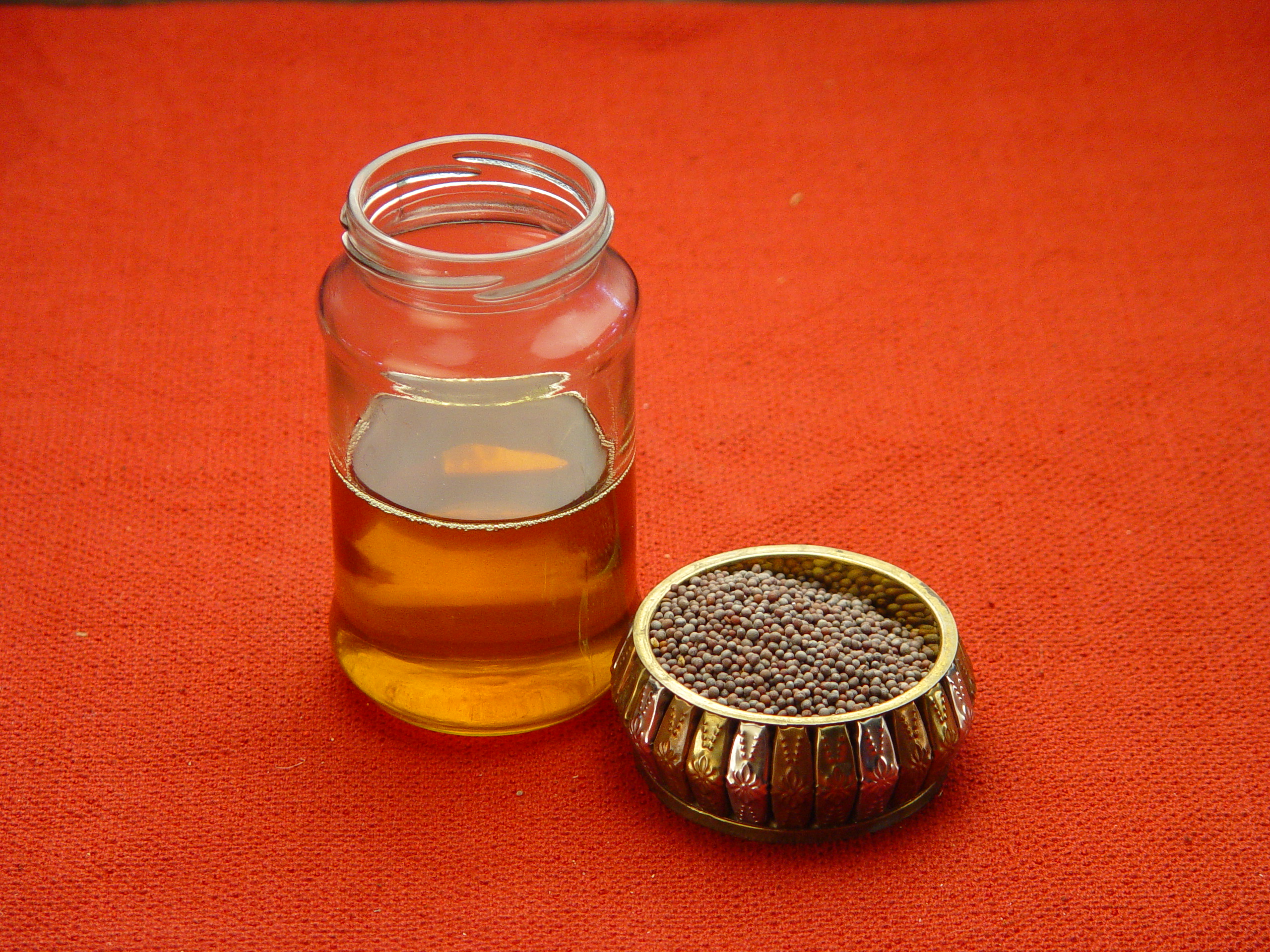
Mustard oil is the cooking fat of this recipe and of the Daily Star version alike. Banglapedia, the national encyclopedia of Bangladesh, records that only a few decades ago mustard oil was the only cooking oil in the country. It was traditionally pressed from the seed in a ghani, a mill turned by a bullock through long hours of the day and sometimes the night, worked by a tradesman called a kolu; today the oil is mostly extracted in electric mills. Banglapedia's entry puts the area under mustard at about 0.24 million hectares and oil output at about 0.19 million tonnes a year, which meets only a fraction of the country's need for cooking oil, so large amounts of soybean and sunflower oil are imported. Mustard, a rabi (winter) crop, is grown in almost every district, with larger areas in Chittagong, Sylhet, Dhaka, Tangail, Jessore, Bogra, Sirajganj and Pabna.
The spices come from many parts of many plants. Banglapedia's entry on spices lists ginger and turmeric among those taken from a rhizome, cinnamon from bark, coriander, cumin and chilli from fruits, and cardamom from seeds. Ginger, garlic, turmeric, onion, red pepper and coriander are among the spices commonly grown in Bangladesh, while a large share of others is imported from India, Malaysia and Indonesia. The entry describes garam masala as a combination of clove, black pepper, cinnamon and cardamom, used mostly in special meat curries and rice dishes, which is exactly its role in this recipe: it is the finishing spice, added with the roasted cumin just before the pot comes off the heat.
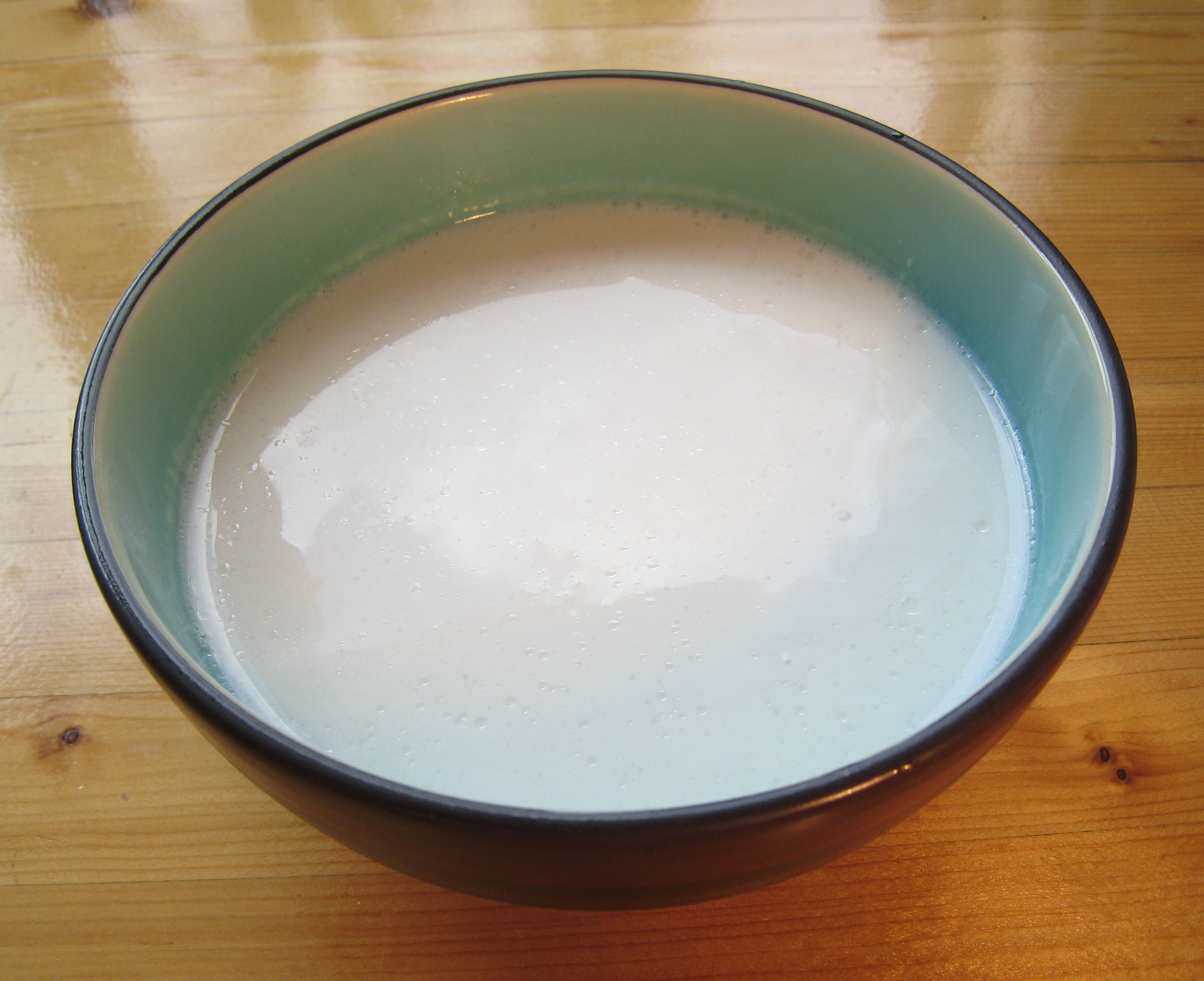
Coconut milk gives the Jagonews24 version its richness. Banglapedia describes the coconut palm as a homestead tree in Bangladesh, grown for its fruit and many other uses and also planted along roads; a well-tended palm may yield 200 or more fruits a year, and the flesh of the nut is eaten raw or used in many foods and sweets. Coconut milk is pressed from that grated flesh, and it goes into the pot together with the fried onion, beresta.
Ducks in Bangladesh: the national figures
The duck in the pot comes from a large national flock. The Department of Livestock Services' 'Livestock Economy at a Glance (2024-2025)', prepared by its planning section from Bangladesh Bureau of Statistics data and issued in July 2025, put the country's duck population at 705.82 lakh in 2024-25 (one lakh is 100,000). The figure has risen every year in the table, from 522.40 lakh in 2015-16 to 638.45 lakh in 2021-22 and 682.61 lakh in 2023-24. In the same year the country had 3,360.70 lakh chickens, and the total poultry population stood at 4,066.52 lakh.
The same DLS sheet puts meat production in 2024-25 at 89.54 lakh tonnes against a demand of 77.92 lakh tonnes, calculated at 120 grams per person per day, and egg production at 2,440.65 crore. It does not divide meat or eggs by species. Livestock as a whole contributed 1.81 per cent of gross domestic product at constant prices in 2024-25 (a provisional figure), grew by 3.19 per cent, and made up 16.54 per cent of agricultural GDP; DLS gives the sector's share of employment as 20 per cent direct and 50 per cent partial.
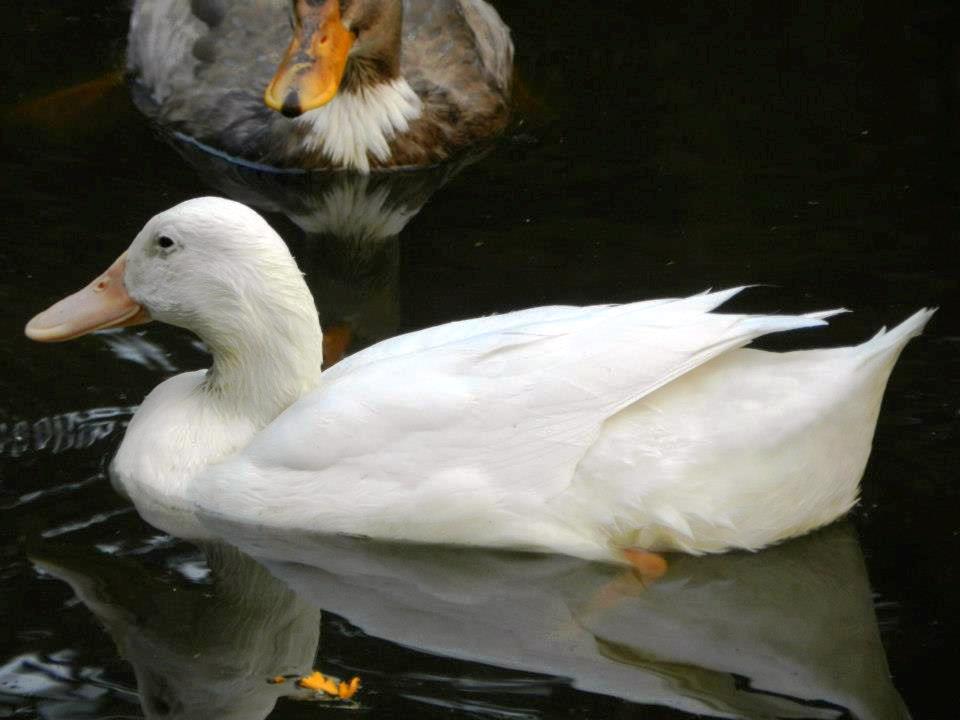
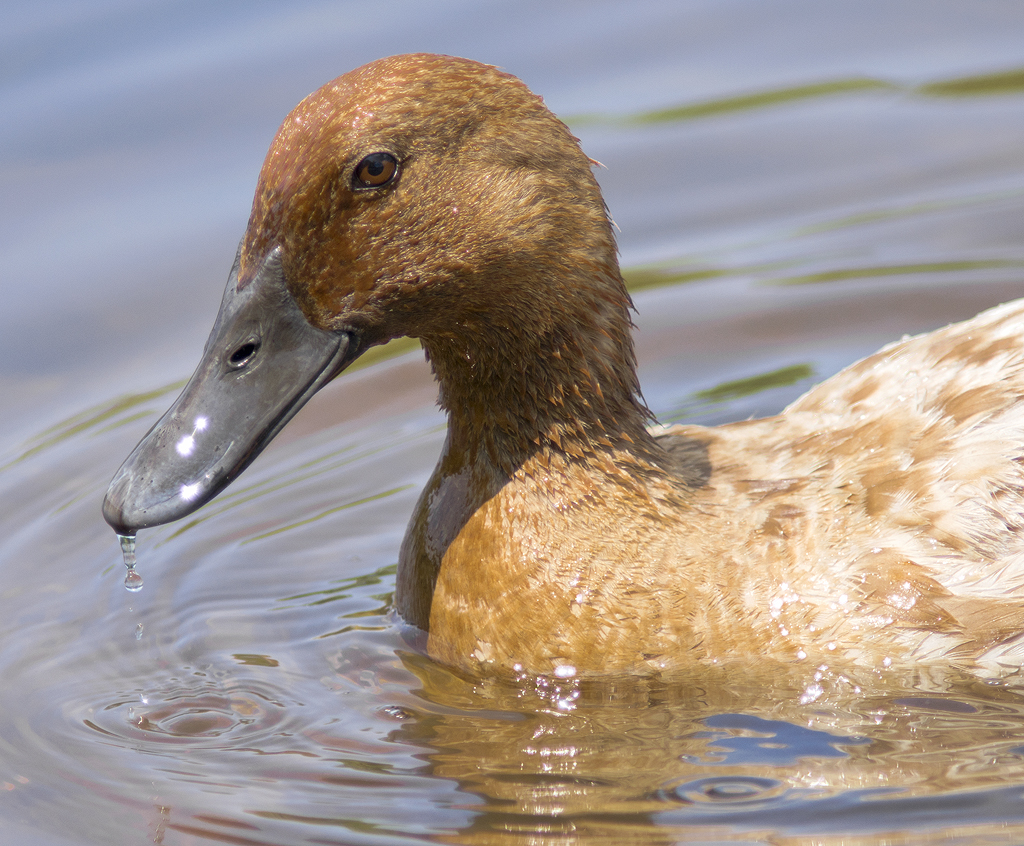
An FAO good-practice note on duck farming in Bangladesh, published in October 2012 and written by staff of the development organisation BRAC, cited research by Huque and colleagues (2011) that ducks contribute about 22 to 25 per cent of the country's annual egg production. Banglapedia's entry on poultry notes that domestic ducks were derived from the wild mallard, and that the wild and domestic forms differ only in very minor ways and interbreed freely. Its entry on ducks adds that the Spot-billed Duck, a wild duck resident in Bangladesh, looks like the female of the domesticated duck.
How ducks are raised in the haor
The north-east of the country is duck country. The 2012 FAO note, by Md. Mazharul Islam, Md. Nurul Karim Bhuiyan and Md. Yousuf Harun, describes the haor basin, an internationally important wetland in Sunamganj, Habiganj and Moulvibazar districts and Sylhet Sadar upazila, with Kishoreganj and Netrokona on its edges. It contains about 47 major haors and some 6,300 beels, of which about 3,500 are permanent and 2,800 seasonal. Natural feed, abundant water for swimming and tolerable temperatures make the area especially suited to ducks, and the note says it is customary for almost every family in the haor to keep a few ducks, from 5 to 100, especially in the rainy and autumn seasons, when water surrounds the villages and snails, small fish, insects and water hyacinth are plentiful.
These ducks are raised in a scavenging system, with rice polish, boiled potatoes or rice grains fed only for a short part of the year. Commercial flocks, usually of 200 to 500 ducks, are herded from place to place in search of feed. According to the note, farmers move with their flocks into the deep haor from January to May and back to the edges between June and August, when the haor floods, sometimes travelling 20 to 30 kilometres from home. From about mid-September to mid-December natural feed becomes very scarce, egg production almost stops, and farmers who cannot afford extra feed are forced to sell their flocks and buy laying ducks again at the start of the next season.
Most haor farmers keep ducks for eggs; only a few raise them for meat. Government breeding stations supply ducklings of the Khaki Campbell and Jinding breeds for eggs and of the Muscovy for meat, but the note says the number produced is far below demand. Most ducklings come instead from rice-husk hatcheries: a BRAC survey counted about 125 of them in Netrakona, Kishoreganj and Sunamganj, producing about 1.5 million ducklings a year, mostly crosses of Khaki Campbell, Jinding and native (deshi) ducks. With traditional rearing, native breeds and no extra feed, a duck lays 80 to 120 eggs a year; ducks of high-yielding breeds fed a balanced diet lay about 220 to 300. About 70 per cent of the eggs from the surveyed areas were sold to Dhaka and other cities, with Tejgaon in Dhaka the wholesale market for duck eggs.
The note also found that women do most of the work in backyard duck rearing and that, in a BRAC baseline survey, farms with up to 100 ducks were mostly owned by women. Its list of problems included high-interest seasonal loans from local lenders known as dadon, repaid at one and a half to two times the amount; a shortage of vaccines, which only the government supplied; few trained veterinarians within reach of flocks deep in the haor; and deaths from duck plague and duck cholera, which the authors observed at around 30 per cent in the region.
Handling and cooking raw duck safely
The Jagonews24 recipe starts with cleaning the bird, which makes food safety part of the dish. FSIS states that, as on any perishable meat, fish or poultry, bacteria can be present on raw or undercooked duck, and that they multiply rapidly in the 'danger zone' between 40 and 140 degrees Fahrenheit, that is, after the meat leaves the refrigerator and before it is thoroughly cooked. Freezing may limit their growth but does not kill them; thorough cooking does. Salmonella, often associated with poultry, causes stomach pain, diarrhoea and nausea, and raw duck or its juices must be kept away from cooked food and from food eaten raw, such as salad.
FSIS advises refrigerating fresh duck at once and using it within one or two days, or freezing it. A frozen duck should be thawed in the refrigerator, in cold water in a leak-proof bag with the water changed every 30 minutes, or in a microwave followed by immediate cooking, and never on the kitchen counter. Duck should never be browned or partly cooked and then set aside to finish later, because any bacteria present may not yet have been destroyed. FSIS gives 165 degrees Fahrenheit, measured with a food thermometer, as the safe minimum internal temperature for duck, and says properly cooked duck can still look pink. Cooked duck in a stew or curry keeps for three to four days in a refrigerator and two to three months in a freezer.
The US Centers for Disease Control and Prevention (CDC), writing about chicken, adds that raw chicken bought ready to cook does not need to be washed, that raw poultry should have its own cutting board, and that leftovers should be refrigerated within two hours, or within one hour if the food has been in temperatures above 90 degrees Fahrenheit. Where a duck is bought whole and needs cleaning, as the recipe assumes, keeping the board, knife and hands used for the raw bird away from other food follows the same rule.
Bird flu and ducks
Ducks have a particular place in the story of avian influenza in Bangladesh. A study by Barman and colleagues, published in 2017 in the journal Emerging Microbes and Infections, records that highly pathogenic H5N1 avian influenza viruses were first isolated in Bangladesh in February 2007, that clades 2.2.2, 2.3.4.2 and 2.3.2.1a were identified in the country afterwards, and that by the end of 2014 the circulating viruses were exclusively of clade 2.3.2.1a. Working in live poultry markets from February 2015 to February 2016 and among wild birds and free-range ducks in the Tanguar haor wetland, the authors concluded that migratory birds and free-range domestic ducks in wetlands like Tanguar haor played an important role in the emergence of a new genotype of the virus.
The World Health Organization's fact sheet on avian and other zoonotic influenza, dated 21 January 2026, says there is no evidence that avian influenza viruses can be passed to people through properly prepared and cooked poultry or eggs. The main risk it identifies is exposure to live or dead infected animals or contaminated places such as live bird markets, including handling, slaughtering and preparing infected birds, especially at home. WHO advises slaughtering only healthy animals for food, handling, storing and cooking eggs, meat and other animal products properly, avoiding contact with sick or dead animals, including wild birds, and washing hands thoroughly and often, especially before and after touching animals. Farmers whose ducks fall sick or die can seek advice from the upazila livestock office.
Photo: OdetomyLife / Wikimedia Commons (CC BY-SA 4.0)
Sources: Jagonews24, The Daily Star Bangla, Department of Livestock Services (Livestock Economy at a Glance 2024-2025), Banglapedia (Duck; Poultry; Mustard; Spice; Coconut), FAO/INFPD Good Practices for Family Poultry Production Note No. 04, US Department of Agriculture Food Safety and Inspection Service, US Centers for Disease Control and Prevention, World Health Organization, Emerging Microbes and Infections (Barman et al., 2017)


Comments
(0)