
Hotter weather, long droughts and the build-up of invasive woody plants are making wildfires in South Africa harder to control, Christiaan (Tiaan) Pool, head of forestry at Nelson Mandela University, has warned, Down To Earth reports. When low humidity and strong winds meet a dry landscape, he said, fires can spread fast, burn intensely and overwhelm efforts to contain them.
Pool pointed to a UN Environment Programme assessment that extreme fires could increase by up to 30 per cent worldwide by 2050. "Dangerous combinations of heat, dryness and wind are becoming more likely in many regions, putting greater pressure on prevention and preparedness," he said. He added that the World Meteorological Organization's October update showed a strengthening El Niño, which could bring hotter and drier conditions to parts of southern Africa and a difficult fire season if rainfall is below average.
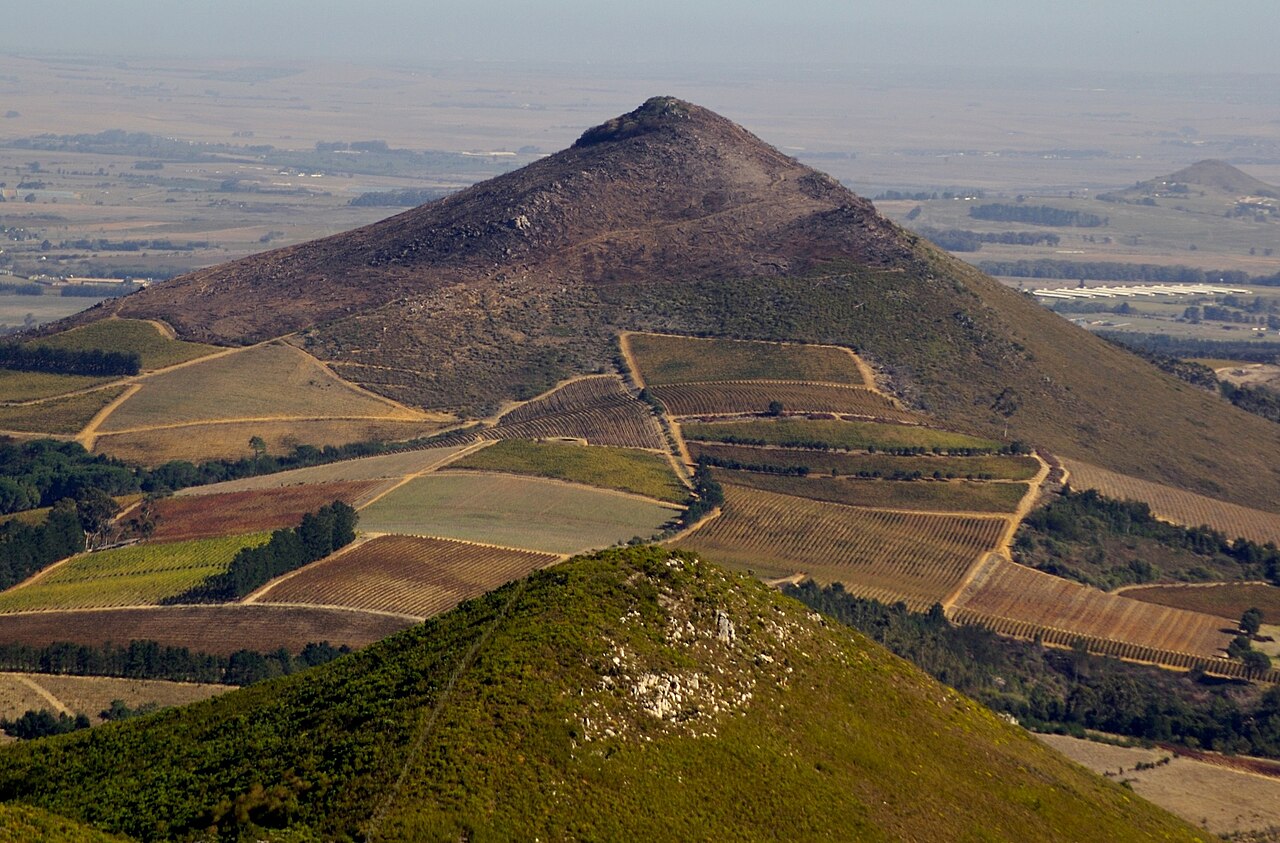
Invasive trees are a particular worry. Acacias, pines, eucalyptus and hakea pile up large amounts of burnable biomass, and research on the 2017 Knysna fires found that invasive alien vegetation made those fires more severe. Drought dries out vegetation and at the same time leaves less water for firefighting. A fire near Franschhoek burned more than 17,000 hectares in January 2026.
Farms sit on the front line. Forestry plantations, dry crops and settlements next to flammable vegetation each carry different risks that need coordination across property boundaries, and damage to grazing land, crops, timber and infrastructure can hit jobs and local economies, Pool said. Most unwanted fires are started by people, through arson, escaped controlled burns or unattended cooking and warming fires, while lightning sets others alight early in the rainy season.
Not all fire is harmful: grasslands, fynbos and savannas need periodic burning. The task, Pool said, is to allow the right fires while stopping uncontrolled ones, and the number of fires alone says little; what matters is how large and intense they become.
Forecasts and satellite monitoring can flag dangerous days, but only action makes them count. "A seasonal warning only becomes useful when somebody understands its implications and acts," Pool said, urging land managers to prepare before conditions turn dangerous.
Photo: Abu Shawka / Wikimedia Commons (CC0)
Source: Down To Earth


Comments
(0)