
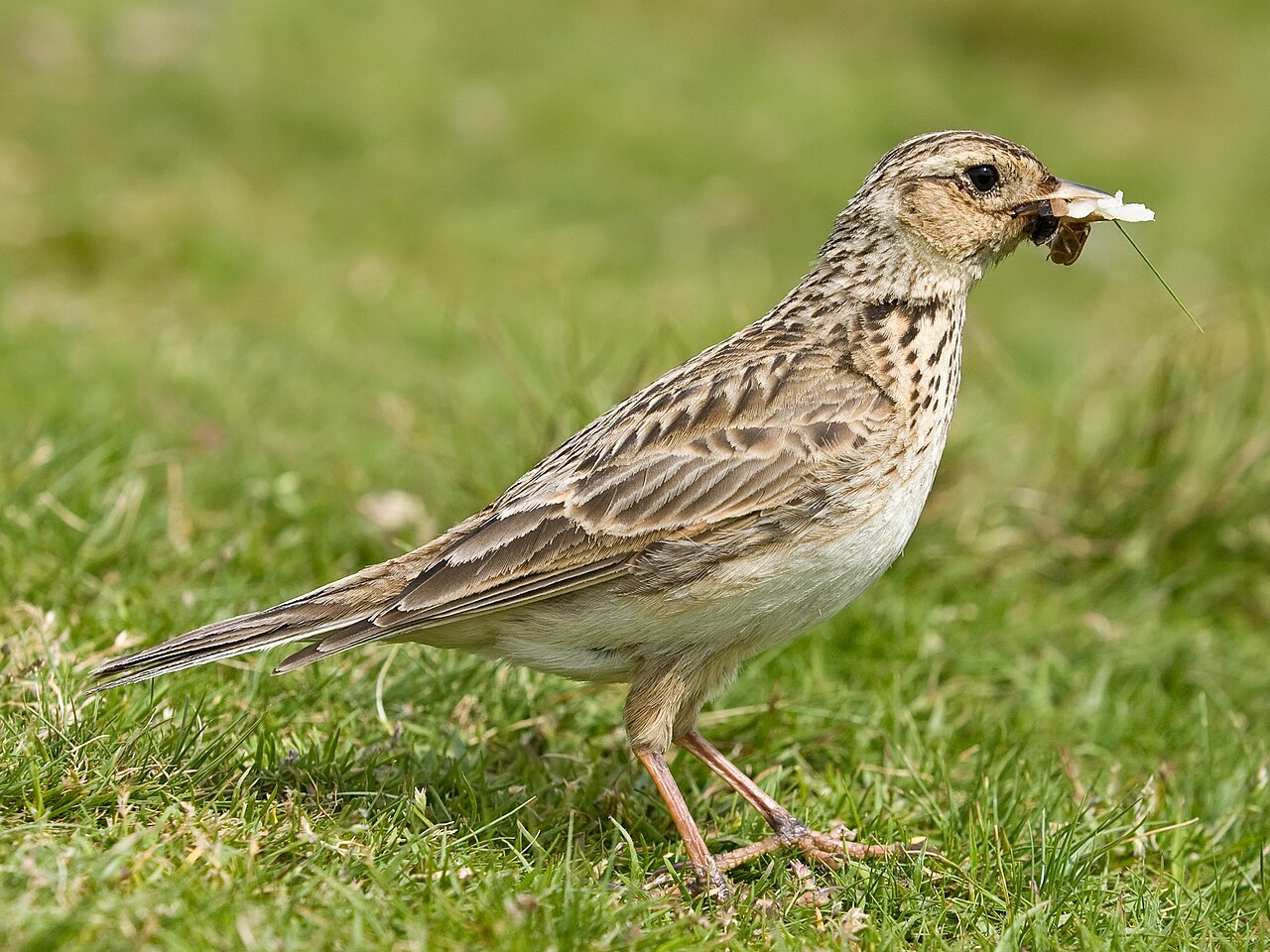
Nestlé has teamed up with BirdLife Europe on a three-and-a-half-year project to measure whether selected regenerative farming practices actually benefit wildlife, using birds as the gauge, FoodNavigator reports. The work will assess the practices across farmland and supply chains in Europe and look for ways to strengthen them.
The starting point is a sharp loss. The Pan-European Common Bird Monitoring Scheme found that European farmland bird populations fell by 58 per cent between 1980 and 2024, with agricultural intensification cited as the main cause. Birds are used because changes in their numbers tend to track wider shifts in habitat quality and insect abundance.
"Current intensive farming is wiping out biodiversity, depleting soils and rapidly increasing farmers' vulnerability to climate change," said Ariel Brunner, director of BirdLife Europe and Central Asia. Nestlé, he said, can support the shift, "but it needs sound science to know which practices to back."
Anita Wälz, head of sustainability and corporate communications at Nestlé Zone Europe, said the company wants to give farmers "the science, the tools and the long-term commitment" to farm in ways that support nature and their businesses, and described the project as "learning honestly what works". Nestlé and BirdLife will monitor selected bird populations in participating farming areas to track changes in on-farm biodiversity.
Regenerative agriculture has so far been judged mostly on soil health, carbon and farm resilience. Adding wildlife outcomes would give buyers a broader test, and Nestlé links the programme to securing the long-term supply of key ingredients.
For farmers, the findings could show which regenerative practices do the most for nature while still paying their way, the kind of evidence food companies are likely to use when choosing where to source.
Photo: Diliff / Wikimedia Commons (CC BY-SA 3.0)
Source: FoodNavigator


Comments
(0)