
Environmental groups used the Woolworths annual general meeting in Sydney on 29 October to press the supermarket chain on whether its beef comes from illegally cleared land, and a Queensland cattle producer used the same meeting to push back. About half of the roughly 20 shareholder questions came from people identifying with conservation groups or speaking on environmental issues, Beef Central reported.
Speakers for groups including the Australian Conservation Foundation (ACF), Greenpeace Australia Pacific and The Wilderness Society accused the board of being unable to trace fully where its beef comes from. Chair Scott Perkins said the company had "substantial visibility" of its fresh beef supply chain, that its own aerial surveillance had found no deforestation among farmers supplying fresh beef directly, and that more work was needed on beef bought through third parties. He disputed an ACF claim that the company had narrowed its deforestation-free commitment, saying the no-deforestation requirement applies across its supply arrangements.
Adam Coffey, a Central Queensland producer and deputy chair of the peak body Cattle Australia, spoke as a shareholder. He said he had worked with Woolworths for several years on its No Deforestation Policy, which the company finished implementing in December 2025, and that Australian producers work under a dense web of state, territory and federal vegetation laws. Cattle Australia "categorically does not support deforestation", he said, but backs landholders' right to carry out routine farm work within the rules.
Coffey cited Food and Agriculture Organization figures that Australia had the second-highest rate of reforestation in the world from 2010 to 2020, an increase of 4.4 million hectares, and said activist groups were making "categorically false and damaging allegations" against producers. Farming in the Great Barrier Reef catchment, he added that the Australian Institute of Marine Science reports the reef's coral cover at its highest in 35 years.
The meeting followed a similar campaign at the Commonwealth Bank (CBA) AGM earlier this month, where a resolution from groups including the ACF calling for a path to end lending linked to deforestation was rejected by more than 93 per cent of votes cast. CBA said its own geospatial assessment put exposure to cases of more than 200 hectares of forest loss at about 0.2 per cent of total committed exposure. The groups plan a similar motion at ANZ's meeting in December.
For beef producers, the pressure is shifting from campaigns at the farm gate to the boardrooms of the retailers and banks they sell to and borrow from.
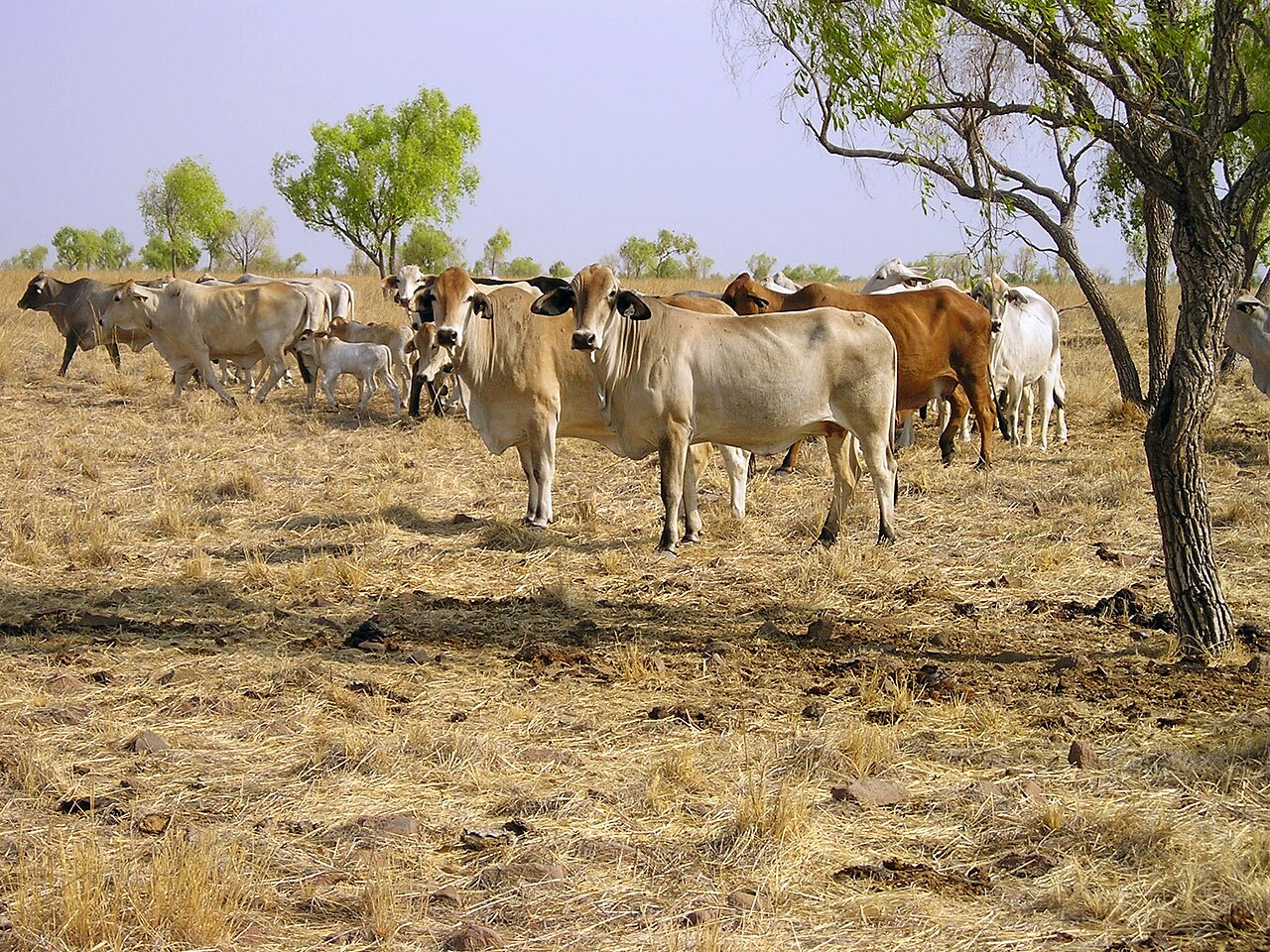
Photo: CSIRO / Wikimedia Commons (CC BY 3.0)
Source: Beef Central
Comments
(0)