
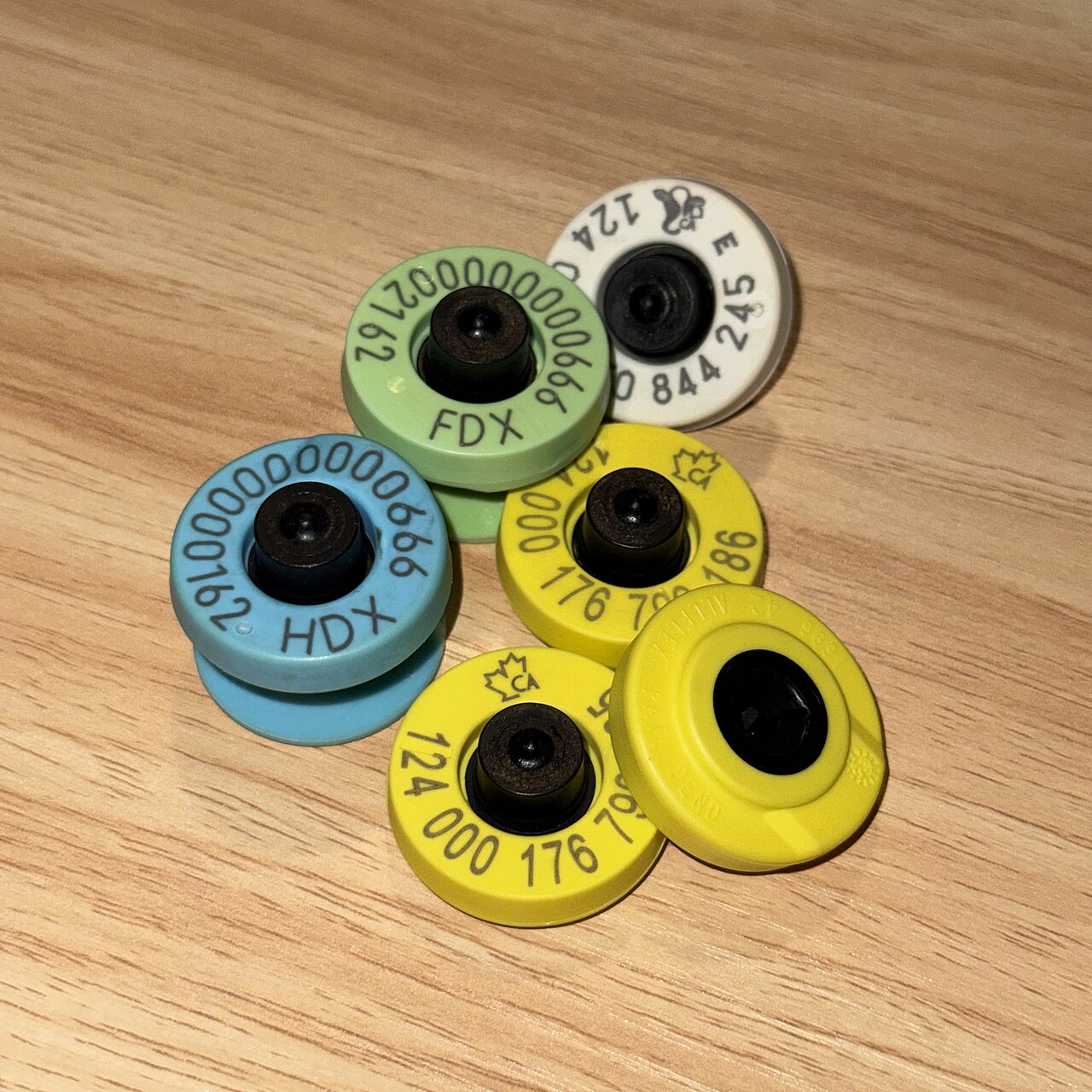
Meat & Livestock Australia (MLA) has set a new go-live date of late 2027 for NLIS 2.0, the next-generation database of the National Livestock Identification System, after a review and reset of the project's timeline. The project was originally due to be finished by June 2026.
The NLIS tracks cattle, sheep and goats from property to property through electronic ear tags and devices, and underpins Australia's claims on biosecurity, food safety and market access. The NLIS Database Uplift Project began in July 2023, is run by Integrity Systems Company, MLA's integrity business, and is supported by a $22.5 million Australian Government grant.
MLA said the new schedule reflects a decision to put design validation, testing and delivery assurance first. The project has completed a proof of concept that tested three real-world scenarios, device issuance, property-to-property movements and loss of lifetime traceability, and all three met their requirements. The revised plan was endorsed this month by the NLIS Uplift Governance Group, with no reduction in scope or quality.
"NLIS is the backbone of Australia's livestock traceability system and has played a critical role in protecting our industry's reputation for biosecurity, food safety and market access for more than 25 years," said MLA managing director Michael Crowley. He said the priority was to get the system right rather than compromise on its quality.
The build programme will deliver and validate the main components step by step, followed by system integration testing and user acceptance testing across the supply chain. Once running, MLA says NLIS 2.0 will offer a better user experience, stronger data security, faster processing and analysis, and closer integration with other supply chain systems.
For producers, the existing database keeps running throughout the transition, including for the continuing roll-out of electronic identification for sheep and goats, so movement records and tag rules stay as they are for now.
Photo: Pazakui / Wikimedia Commons (CC BY 4.0)
Source: Beef Central
Comments
(0)