
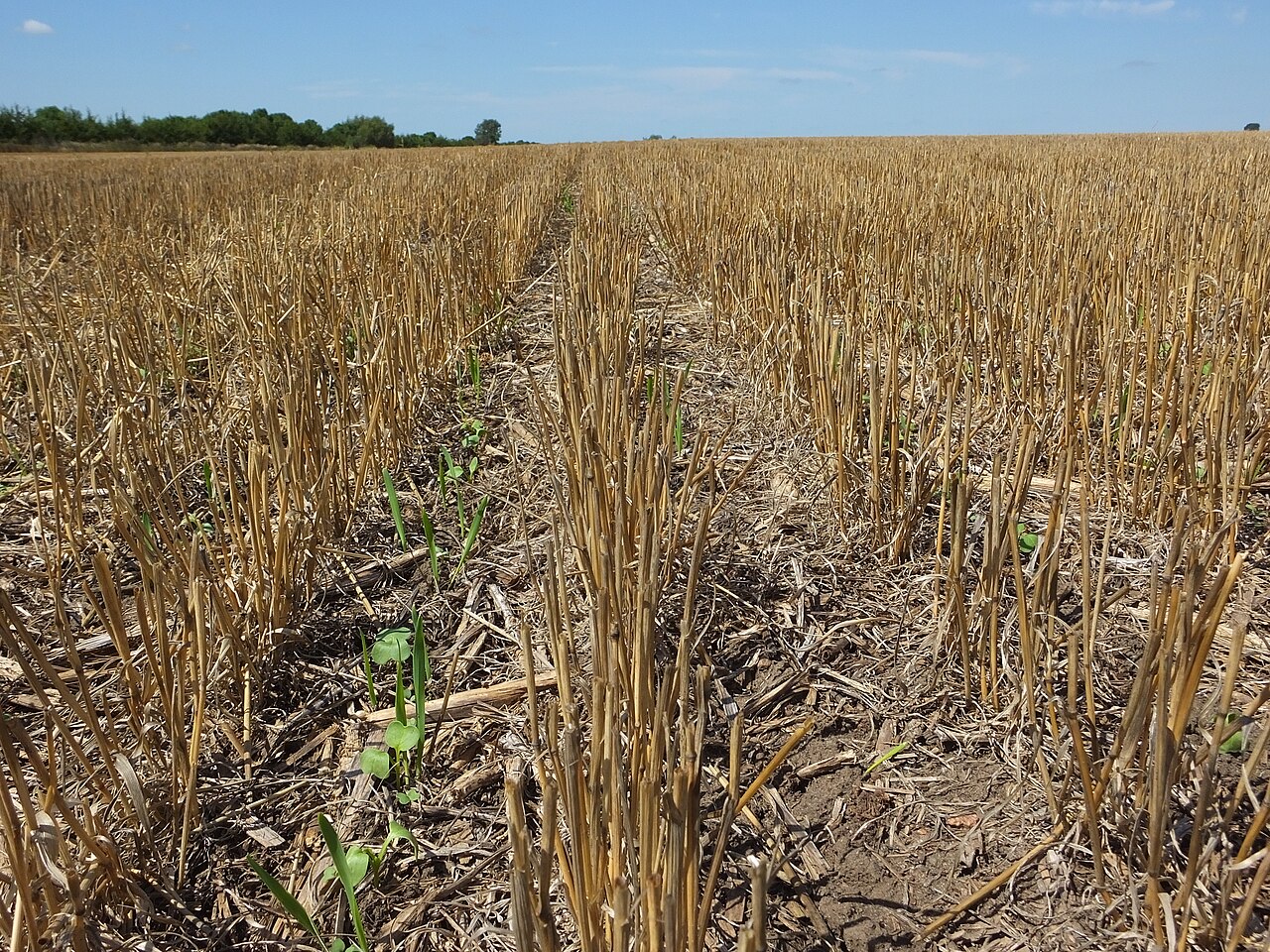
South African farmers facing erratic weather, rising input costs and declining soil quality should treat soil biology as being as important as soil chemistry, says Sheila Storey, MSc (Agric), a consultant for the soil laboratory Nemlab, in an interview with Octavia Avesca Spandiel of Farmers Weekly South Africa.
Fertiliser programmes remain essential, she says, but beneficial fungi, bacteria, nematodes and other organisms form a soil food web that recycles nutrients, builds soil structure and helps protect plants against pests and diseases. "Beneficial nematodes can provide between 9% and 30% of the nitrogen available to plants when the biology is balanced," she says. Mycorrhizal fungi trade phosphorus they have drawn from the soil for carbon from the plant, and store that carbon in the soil.
Storey lists six principles of soil health: living roots in the ground all year, a diversity of roots, a covered soil surface, as little chemical, physical and biological disturbance as possible, livestock where appropriate to recycle nutrients and graze cover crops, and management adapted to each farm, orchard or field. Roots feed soil organisms with carbohydrates, and a mixture of cover crop species feeds a wider range of them than a single species does. "Above-ground diversity begets below-ground diversity," she says.
Mulch, crop residues and living covers regulate soil temperature and add carbon, which forms humus that "acts like a sponge" and raises the soil's water-holding capacity, an advantage as producers face longer dry spells, heatwaves and erratic rainfall. Nitrogen-fixing legumes add nitrogen when the right bacteria are present; on their own they cannot end a farm's reliance on synthetic fertiliser, she says, but they can cut the amount needed. Most nematodes are not harmful, and the balance between the beneficial and plant-parasitic groups makes them good indicators of soil health.
The commonest mistakes, according to Storey, are expecting a single product or practice to fix a soil, planting one cover crop species where a mix is needed, and believing that a microbe "out of a container" will restore soil health; such products mostly improve root health. Besides laboratory nutrient analyses, she suggests simple checks: infiltration tests, looking for springtails and other small soil organisms, feeling the soil's structure by hand and measuring compaction with a penetrometer.
Soils with strong biological activity, she says, take in water better, hold more of it and lose less to run-off in heavy rain, which makes them more resilient as the climate changes.
Photo: USDA NRCS South Dakota / Wikimedia Commons (CC BY-SA 2.0)
Source: Farmers Weekly South Africa


Comments
(0)