
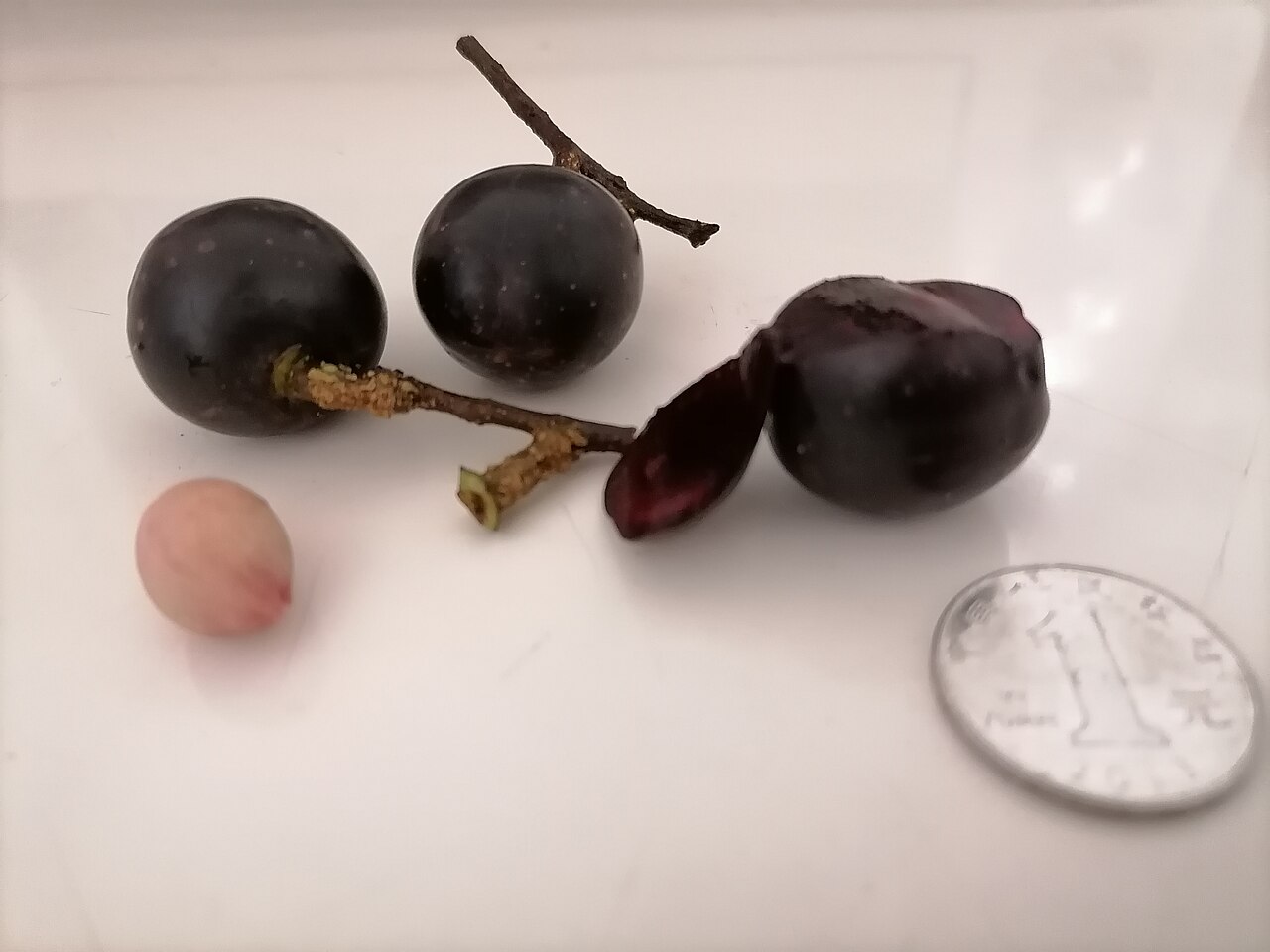
Researchers at the ICAR Research Complex for North Eastern Hill Region (ICAR-RC NEH) in Umiam, Meghalaya, have cut the time it takes Sohiong trees to bear fruit from 7 to 9 years to 3 to 4 years after planting, by standardising tongue grafting, the Indian Council of Agricultural Research (ICAR) said.
Sohiong (Prunus napaulensis) is an indigenous fruit traditionally grown in Meghalaya's Khasi and Jaintia Hills, known for its distinctive flavour and dark-purple fruit. Its commercial cultivation has been held back by the long wait for a first crop, a shortage of quality planting material and weak market links, ICAR said.
Besides grafting, the work has identified promising genotypes, improved production technology and developed packaging that extends the fruit's shelf life to up to nine days. Processing protocols have been standardised for value-added products including beverages, candy, powder, wine and fruit leather.
ICAR said the results hold particular promise for women, rural youth, self-help groups and farmer producer organisations, through nursery production, cultivation, processing and marketing. With more research, farmer participation and stronger market links, Sohiong could become a commercially promising fruit crop for Meghalaya, it said. The information came from the institute's Division of System Research and Engineering.
A grafted tree that pays back in three or four years rather than nearly a decade changes the sums for hill farmers, who cannot wait long for income from an orchard.
Photo: Shwabb1 / Wikimedia Commons (CC BY-SA 2.0)
Source: ICAR
Comments
(0)