
A large part of Bangladesh's population is directly involved in agriculture, but climate change, population growth, shrinking land and limited use of technology have put farming under pressure. The management of agriculture in developed countries, with its innovative methods, technology and farmer welfare models, could serve as a model to make Bangladesh's farming more modern, sustainable and profitable.
Seven lessons
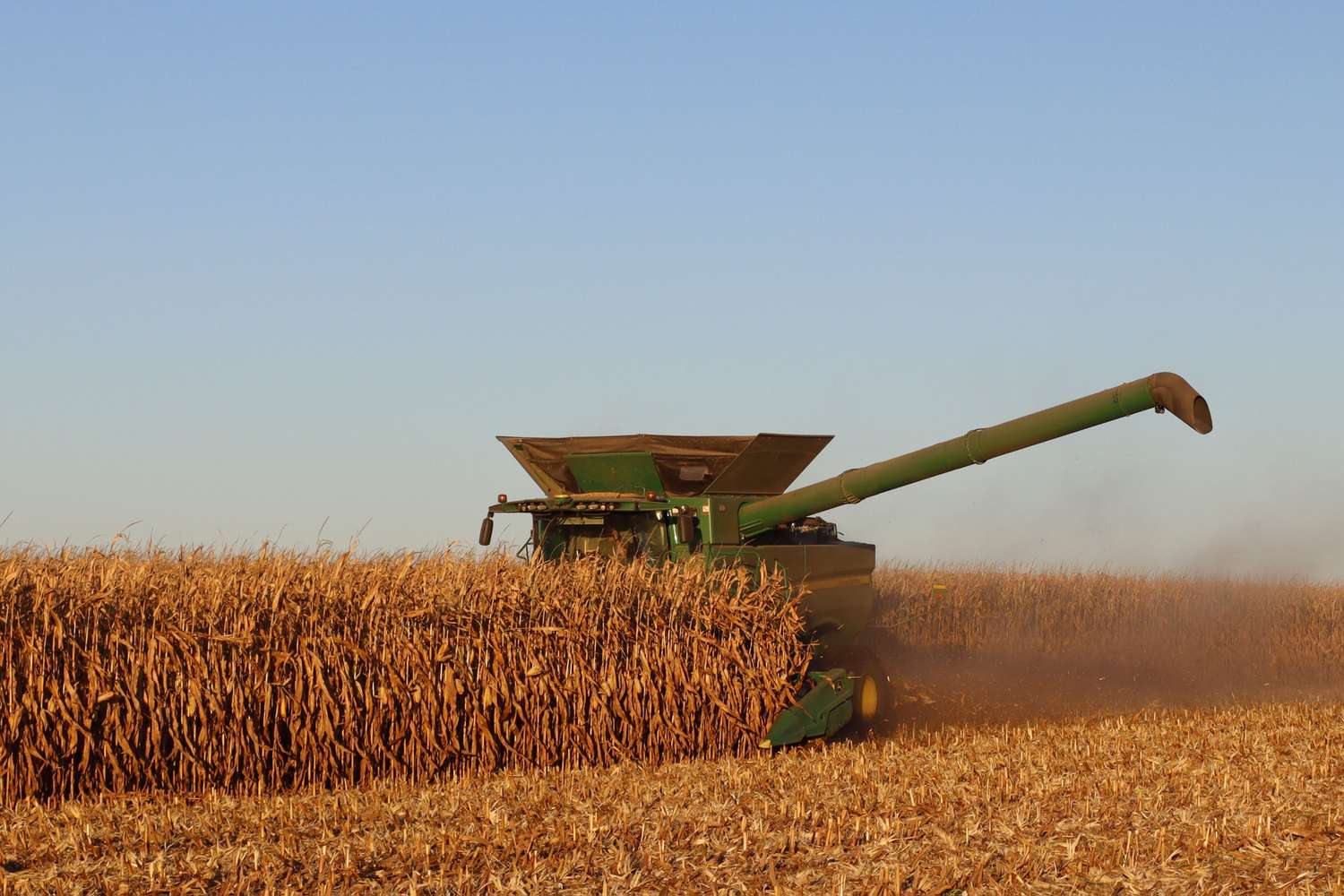
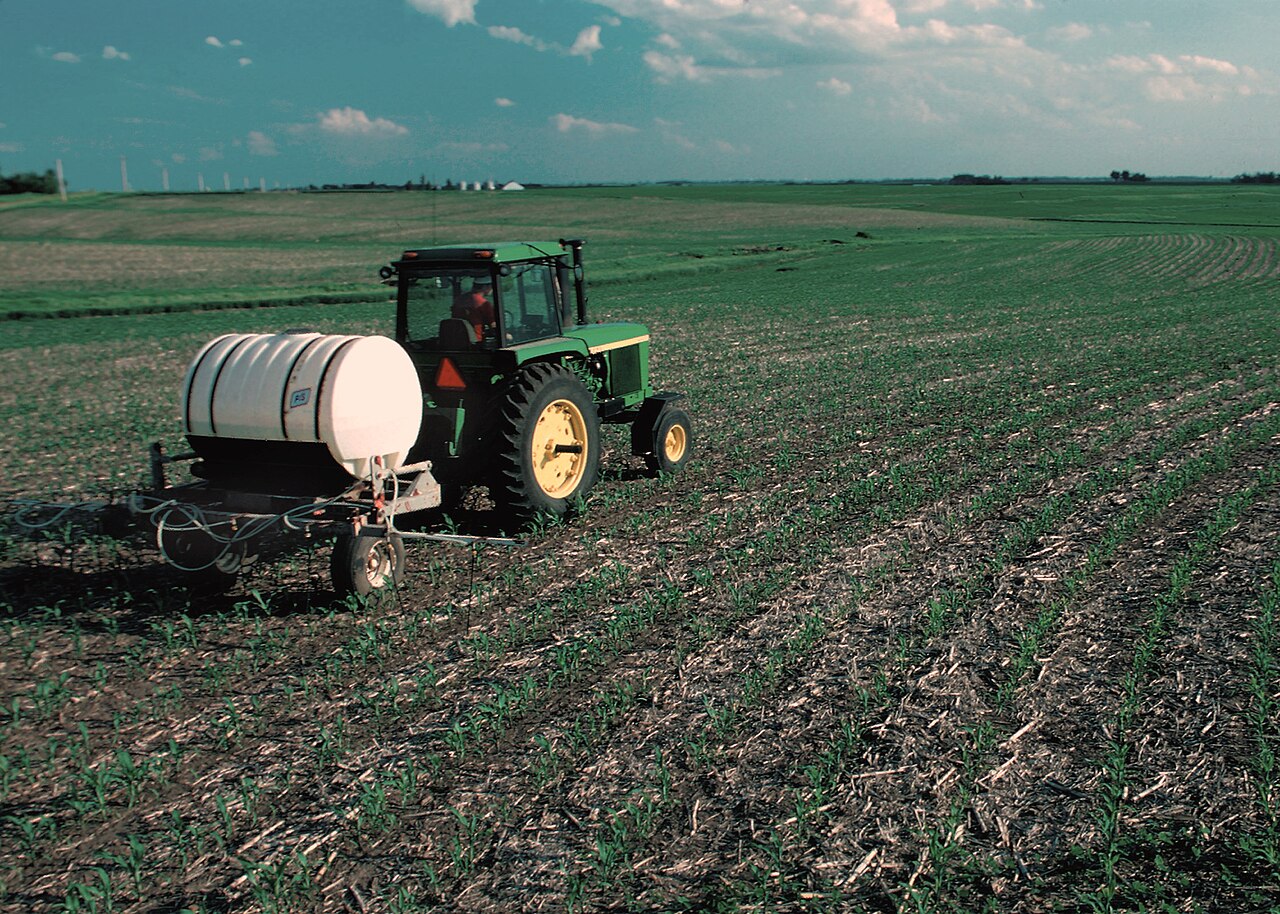
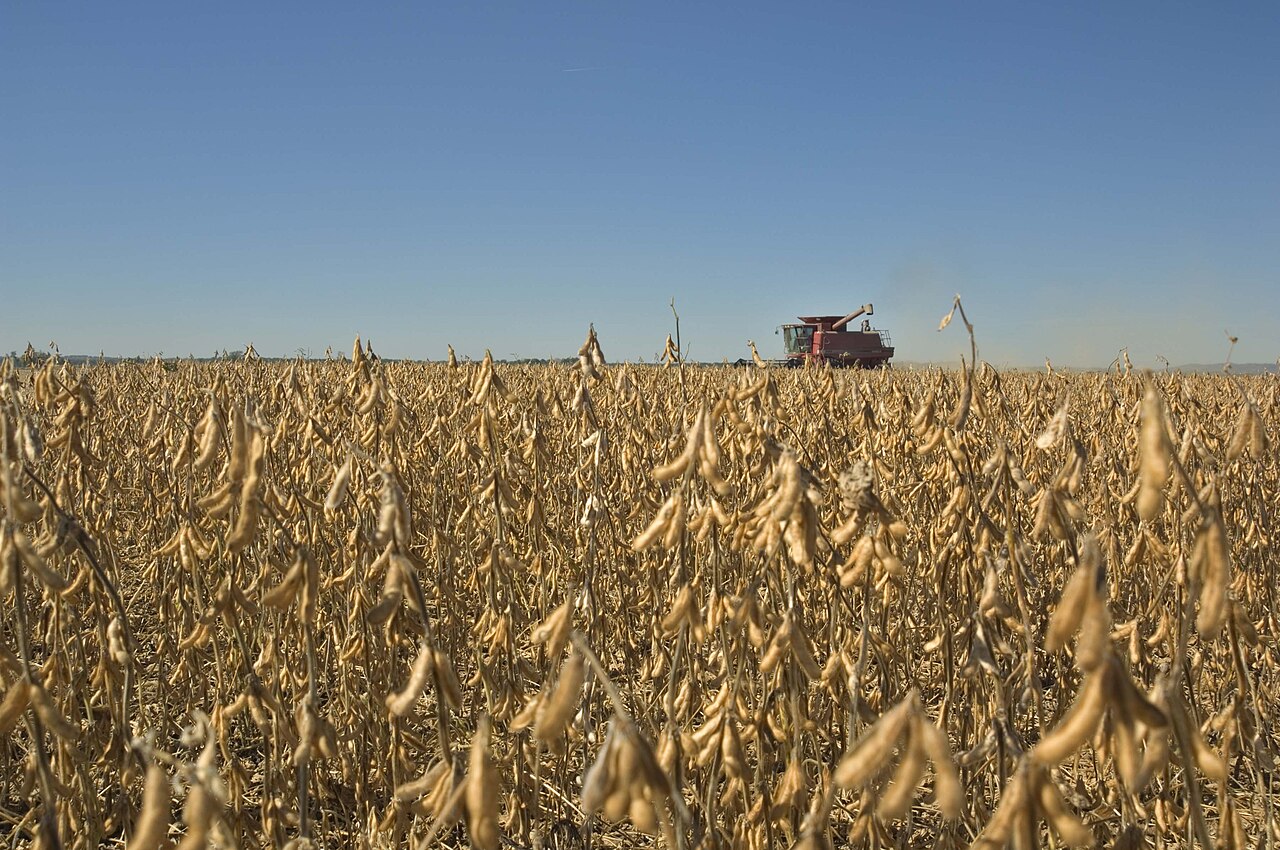
- **Mechanisation:** developed countries use tractors, combine harvesters and drones widely, saving time and labour; drones monitor field health, spray pesticides and forecast yields. These technologies are spreading slowly in Bangladesh, and machinery on easy terms and training are needed.
- **Smart farming:** Artificial Intelligence (AI), the Internet of Things (IoT), sensors and satellites reveal soil moisture, nutrients and disease so that irrigation, fertiliser and pesticides are applied at the right time. Bangladesh needs digital training for farmers and technology available on mobiles and apps in the local language.
- **Research and innovation:** heavy investment produces high-yielding, disease-resistant and climate-tolerant varieties, and genetic engineering and biotechnology improve quality. Institutions such as BRRI, BARI and BLRI should be strengthened.
- **Digital supply chains:** farmers sell directly to consumers through digital platforms, with logistics and traceability. Bangladesh needs digital marketplaces to ensure fair prices and modern cold chains and transport.
- **Organic farming:** chemical-free, environmentally friendly food sells at high prices; Bangladesh needs certification, branding, training and awareness.
- **Farmer welfare:** health insurance, crop insurance, pensions and disaster support are available to farmers abroad; Bangladesh should simplify insurance schemes and ensure digital registration and benefits.
- **Education and training:** farmers abroad attend regular training, seminars and workshops and learn through technical colleges and online courses. Bangladesh should set up upazila training centres and offer mobile-based learning and video tutorials.
Conclusion
Learning from developed countries, a smart farming revolution is possible in Bangladesh, the writer argues, but it needs accessible technology, empowered farmers, research and policy support. On that path the country could become not only self-sufficient in food but also an export-oriented, environmentally friendly agricultural economy.
Source: Jagonews24. First published in Bengali on The Agro News.
Comments
(0)