
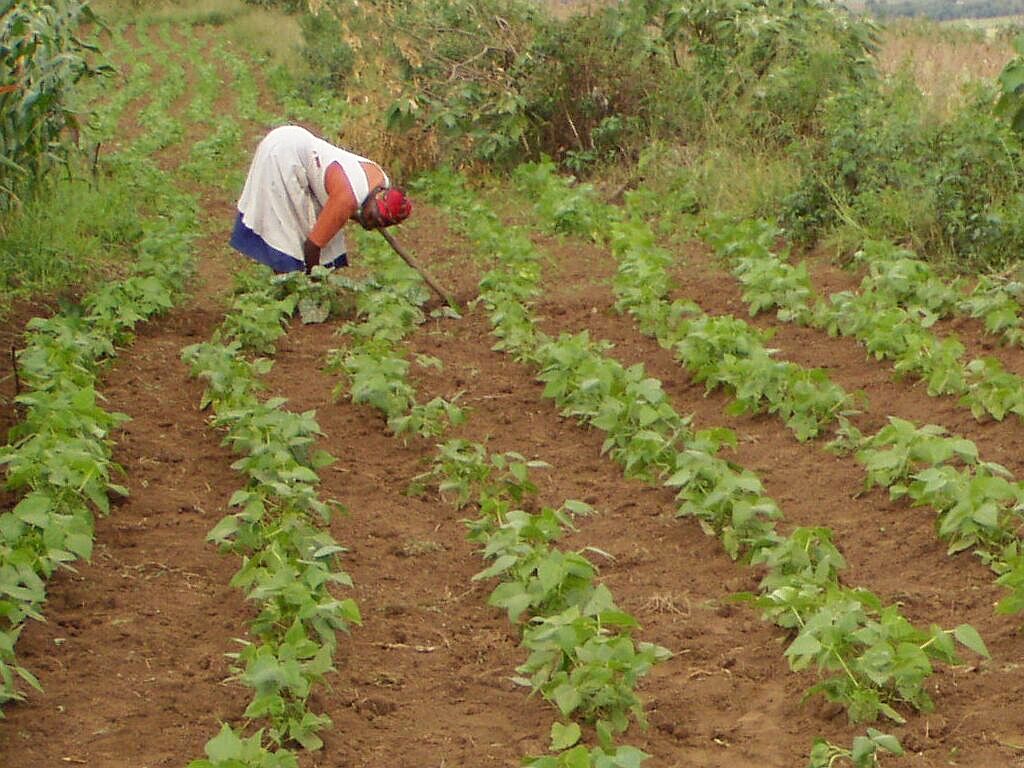
Thousands of small-scale farmers across South Africa grow crops, raise livestock, milk cows and keep poultry with real skill, yet many stay caught in cash shortages, mounting debt and uneven profits. In the first instalment of a new Farmer's Weekly series on farm finance, Cobus du Plessis argues that the problem is usually not the ability to produce but the way the farm is run as a business.
A smallholder, he writes, typically farms on a small scale with little capital or machinery, relies heavily on family labour, keeps informal or semi-formal records and sells partly through neighbours, hawkers, butcheries, municipal fresh produce markets or informal traders. Being a smallholder does not mean being unskilled. But such operations tend to stay focused on production: prices are often set by what competitors charge rather than by actual costs, records are incomplete and decisions become reactive.
Commercial farming, by contrast, is defined in the series not by a bigger farm, expensive machinery or high turnover, but by systems and financial discipline: budgets, records, payroll, tax compliance, production analysis, financing, stock control and decisions based on enterprise margins and cash flow. Smallholder thinking asks "How do I produce more?", du Plessis writes, while commercial thinking asks "How do I build a profitable and sustainable agricultural business?" A high yield is not the same as a high profit, and turnover is not cash flow.
The column sets out the steps of that change. Farmers should first decide what kind of business they are building and whether they farm for survival income or long-term growth. They need to know their numbers, because a farmer cannot manage what is not measured: production costs, gross margins, debt, wages and profit per enterprise. Many developing farmers diversify too early; strong businesses are often built by mastering one profitable crop, livestock system or reliable market channel first.
Selling comes before growing, the series stresses: a farmer should know exactly who will buy, the quality and packaging required, delivery times and pricing, since producing without a secure market is one of farming's greatest risks. Cash flow is the other trap. Profitable farms can still run out of money when planting costs, wages, loan repayments and late customer payments fall in the same season, and in many cases cash flow decides survival more than production does.
No farmer builds a commercial operation alone, du Plessis adds, pointing to accountants, financiers, market agents, mentors, organised agriculture, input suppliers and experienced producers. The series aims to make farm finance practical and usable, and to help more farmers build businesses that can survive hard seasons, employ people, reach formal markets and repay debt.
Photo: Alandmanson / Wikimedia Commons (CC0)
Source: Farmers Weekly South Africa


Comments
(0)