
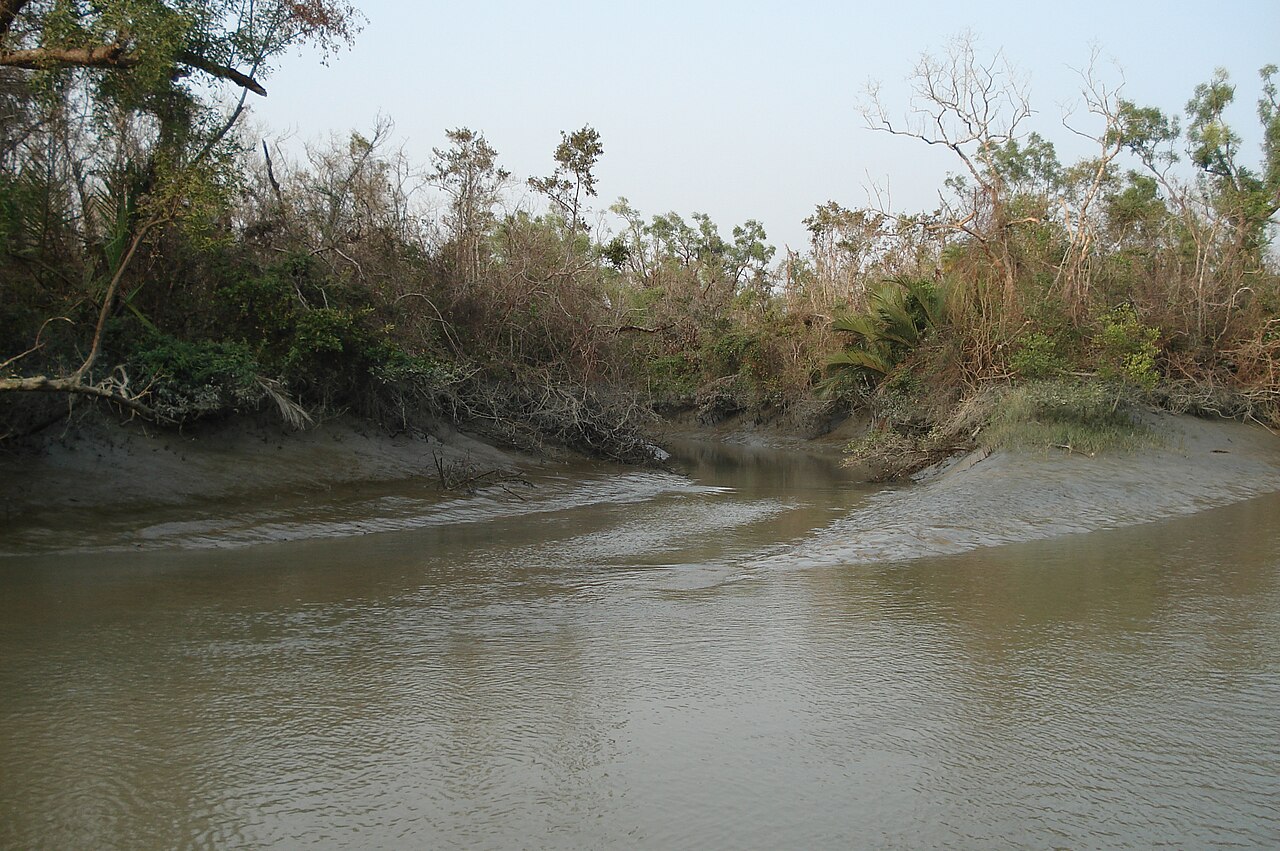
Catching fish with poison in the Sundarbans is a problem many years old. The laws exist and raids catch offenders, but because the Forest Department has no laboratory of its own the offence cannot be proved in court. That is the argument of a column in Prothom Alo by the writer and journalist Khaliullah, the paper's climate project manager. The views are the writer's own.
He opens with Rachel Carson's Silent Spring, written 64 years ago, in which Carson warned that chemical pesticides would one day silence the birds and still the fish in the rivers. Poisoning a Sundarbans canal, he writes, kills the fish large and small, the fry, the snakes, frogs and insects alike, and proves her point.
Citing a Prothom Alo report of 11 October, he writes that 34 cases of poison fishing were filed in the three months from June to August, naming 37 people, of whom 25 were arrested. A Z M Hasanur Rahman, divisional forest officer of the Sundarbans West division, told him most of the accused are out on bail. Without its own laboratory the department has to send seized fish to Dhaka, and by the time the samples have gone from one institution to another the poison can no longer be confirmed.
The column lists the laws that already cover pesticide misuse: the Pesticides Act of 2018, the Pesticide Rules of 1985 (amended in 2010), the Environment Conservation Act of 1995 and the Safe Food Act of 2013. The Consumer Rights Protection Act is being amended to cover harm to livestock and fish as well.
At a discussion organised by Prothom Alo in Mongla on 11 October on coastal water shortages and the Sundarbans ecosystem, poison fishing drew much frustration, he writes. Those caught in raids are mostly ordinary fishermen; identifying and acting against the moneylenders behind them matters more. Many forest officers want to act but are held back by too few staff, too little money and legal hurdles.
His question is why, knowing the scale of the danger, policymakers have taken so long to arrange quick testing of samples, a question that matters for the fish of the Sundarbans canals and the livelihoods of coastal fishers.
Photo: Jyotirmoy Banik / Wikimedia Commons (CC BY 3.0)
Source: Prothom Alo


Comments
(0)