
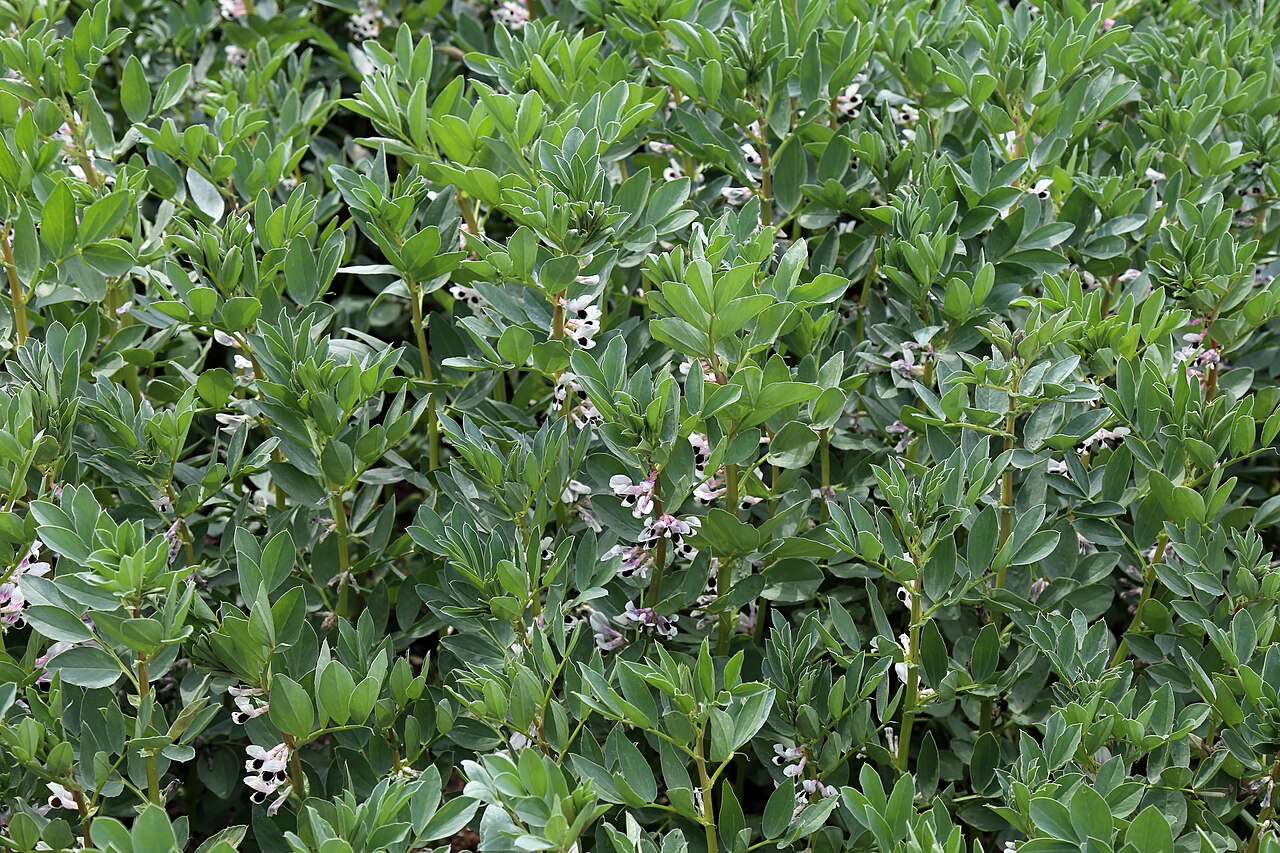
Europe's drive to grow more of its own protein crops is an opportunity for farmers and the seed sector, the agribusiness marketing consultant Franco Brazzabeni argues in a column for Seed World Europe. Brazzabeni is a member of Assosementi, the Italian seed association, and of ISF groups; the views are the writer's own.
His starting point is how dependent the EU is on imported feed protein. The bloc grows plenty of plant protein, he writes, but mostly as roughage and cereals of low to medium protein content. Protein-rich crops, soybeans and pulses, make up only 3.3 percent of its output. Soybean self-sufficiency is about 18 percent: in 2025 the EU produced just over 3 million tonnes against consumption of more than 17 million tonnes, with the rest bought mainly from Brazil, Argentina and the United States, where most of it is genetically modified. He notes that GM crops whose cultivation is barred across much of the EU are imported legally for feed.
In the human diet, he writes, about 60 percent of protein in Europe comes from animals and 40 percent from plants, and producing animal protein uses much water and money. A recent international study, he adds, expects global consumption of alternative proteins to rise more than sevenfold by 2035.
The European Commission's Protein Action Plan, launched in July 2026, aims to raise the share of EU-grown protein in animal feed from 25.8 percent to a benchmark of 35 percent by 2035. About EUR 190 million has already gone into European protein research under the Horizon programmes, covering plant breeding, seeds, fertiliser reduction and biomass use. The farm policy budget after 2027 is expected to add incentives for protein crops, such as coupled payments, carbon credits and help with machinery costs.
Legumes also fix nitrogen, Brazzabeni points out, which cuts fertiliser needs at a time of high prices and strained supply, and lowers farm emissions. He lists the criticisms: the 35 percent target is not binding, the money comes from existing instruments rather than a dedicated budget line, the plan centres on livestock rather than on more varied human diets, and soybeans do poorly in many areas. Even so, he concludes, the plan is a significant card that many farmers can play for profitability and sustainability, and a chance for the seed sector to grow.
Photo: Acabashi / Wikimedia Commons (CC BY-SA 4.0)
Column by Franco Brazzabeni, Seed World Europe.
Source: Seed World Europe

Comments
(0)