
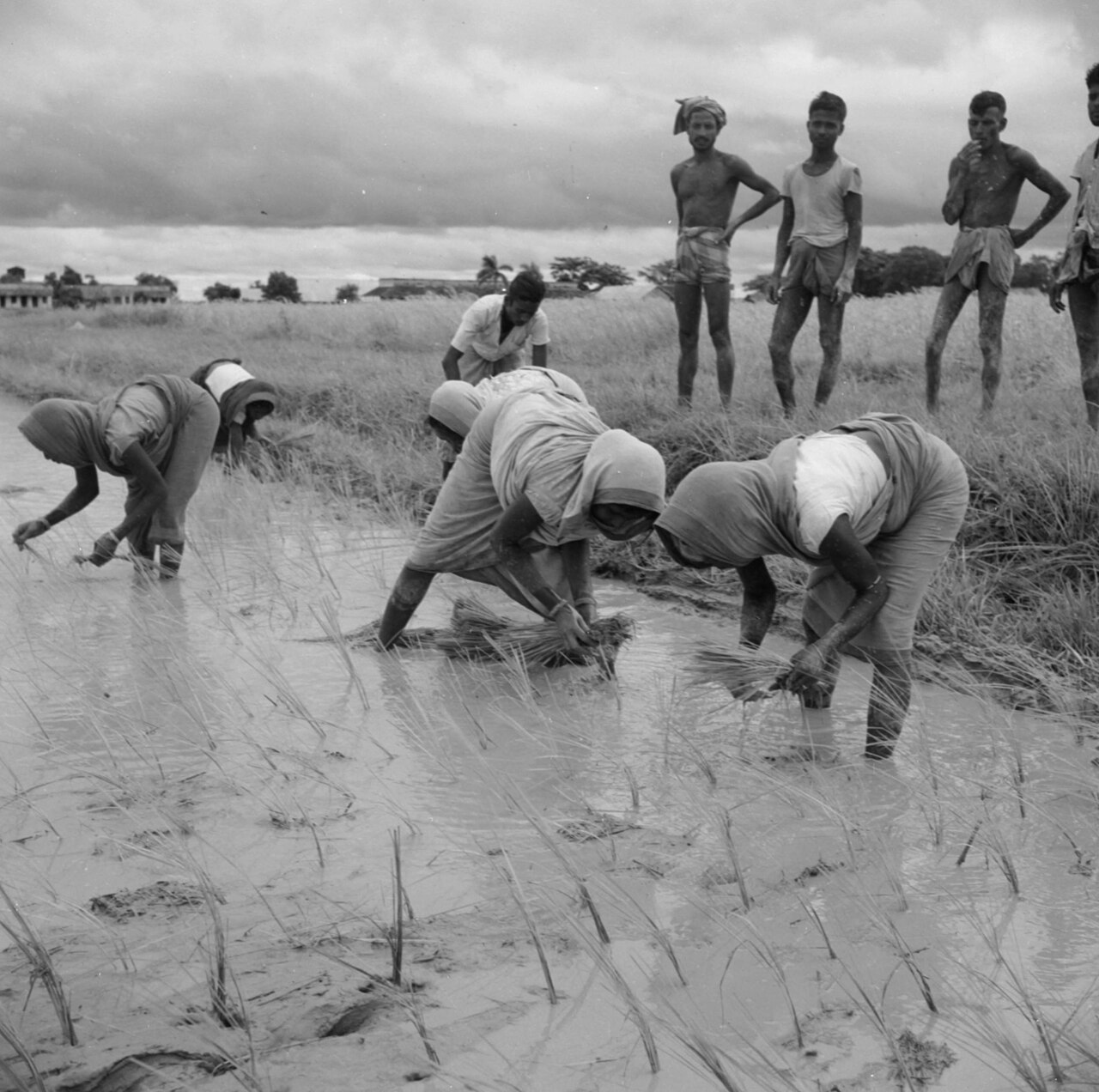
Maha Mirza, a researcher and part-time teacher in the economics department of Jahangirnagar University, and women's rights activist Marzia Prova argue in a Prothom Alo column that rural women now carry much of Bangladesh's farming and livestock work, yet are almost invisible in mainstream debate on agriculture and the economy.
Their case rests on the Bangladesh Bureau of Statistics Labour Force Survey (2024): 1.70 crore (17 million) women work in agriculture, against 1.30 crore (13 million) men, so women have been the majority in farming for several years. When men go to the cities to drive auto-rickshaws or hawk goods, the writers say, the women of the family run the crops, the paddy harvest and the poultry and cattle, and invest urban earnings in sharecropped land, small farms and NGO loan instalments.
The column presents the market as the woman farmer's hardest battle. By the writers' figures, companies control 80 percent of the seed market, farm input prices rose 25 percent in five years, and the price of a day-old chick went up by Tk 25 over the same period. Fertiliser shortages, dishonest dealers and rising feed prices come on top of weekly microcredit instalments, whose main borrowers are women.
The writers are also concerned about the proposed trade agreement with the United States, which they say would allow US dairy and poultry products such as eggs, milk, frozen beef, chicken, butter, yoghurt and cheese to enter at zero tariff. Noting that the country's cattle and goats have grown by one crore (10 million) in a decade, in a sector providing about 70 lakh (7 million) jobs, they ask how a woman dairy farmer in Sirajganj could compete with heavily subsidised imports. They recall that when powdered milk imports were opened in the 1990s, Milk Vita's collection from small farms fell to a fifth.
Drawing on visits to the Rampal, Matarbari, Banshkhali and Payra power plant areas, they write that when farmland is acquired, the first casualty is often the family's daughter: she leaves school, and child marriage follows. On climate finance, they cite USD 268 million received in 14 years and ask how much it has eased water scarcity and economic hardship for women in the haors, baors, chars and the coast.
Their conclusion is that farm and trade policy cannot be set without understanding how village and city, women and men, farming and informal urban income are tied together, and that markets, tariffs and mega-projects should be treated as questions for rural women too.
The views expressed are the writers' own.
Photo: Clarence Woodrow Sorensen / Wikimedia Commons (public domain); women transplanting rice, representative picture
Source: Prothom Alo

Comments
(0)