
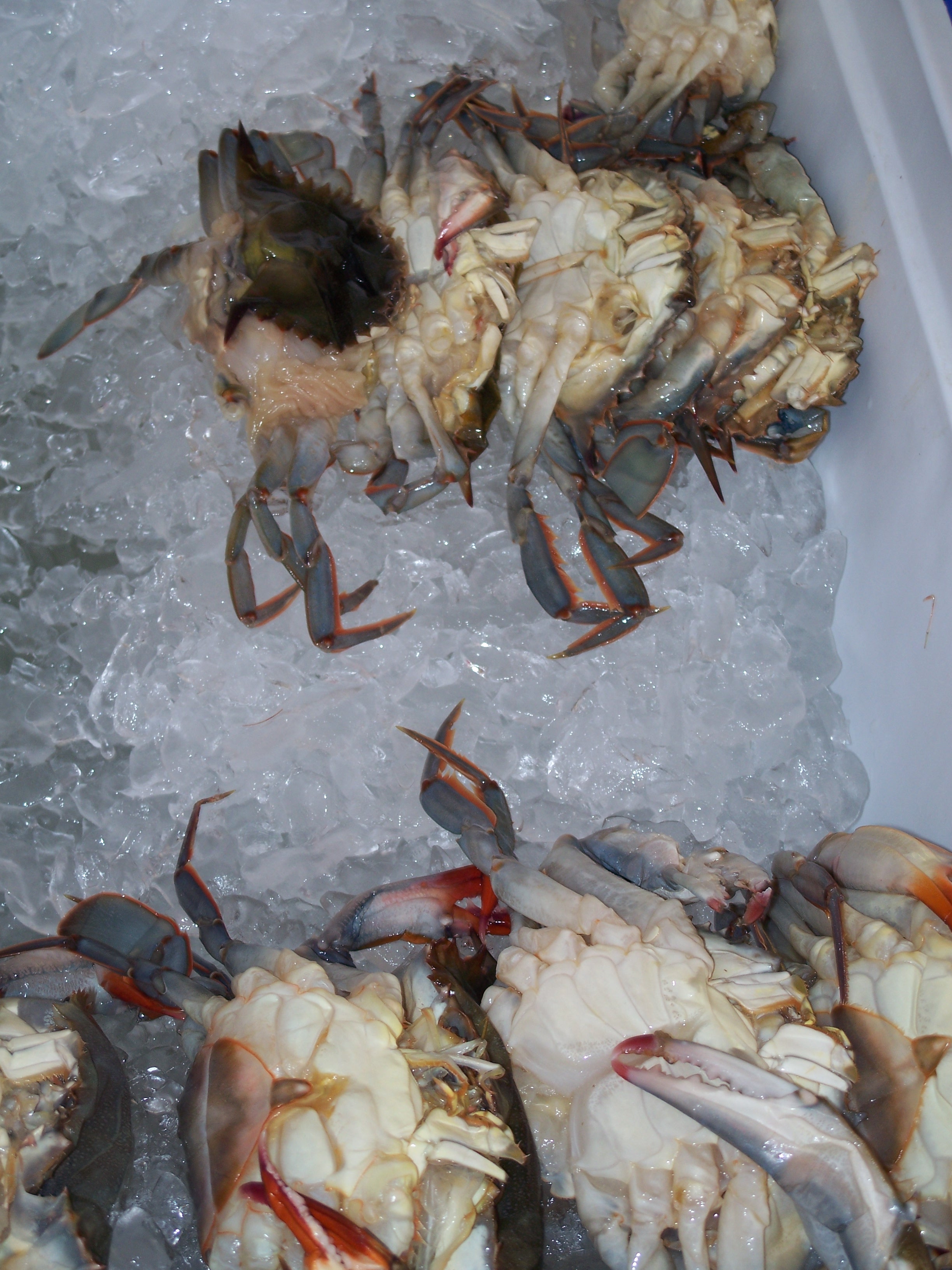
In late May 2026 BBC Bangla reported that international demand for Bangladeshi soft shell crab was rising steadily. Farmers and officials said exports were growing to the United States, Japan, Australia and many European countries, with Shyamnagar upazila in Satkhira district the main supplier.
Government figures show that 644 tonnes of soft shell crab were exported from the greater Khulna region in 2023-24, rising to 1,166 tonnes in 2024-25. G M Selim, the Satkhira district fisheries officer, told BBC Bangla that around 750 tonnes had gone from his district alone in the last financial year. "The shell is softer than an ordinary crab's, so it is easier to eat. That is why the market inside the country is also growing," he said.
What a soft shell crab is
A crab grows by shedding its old shell. Dr Md Latiful Islam, chief scientific officer at the Bangladesh Fisheries Research Institute, told BBC Bangla that the new shell stays completely soft for at least six hours, and that is when the crab is collected and processed. Small crabs moult quickly, sometimes within a week.
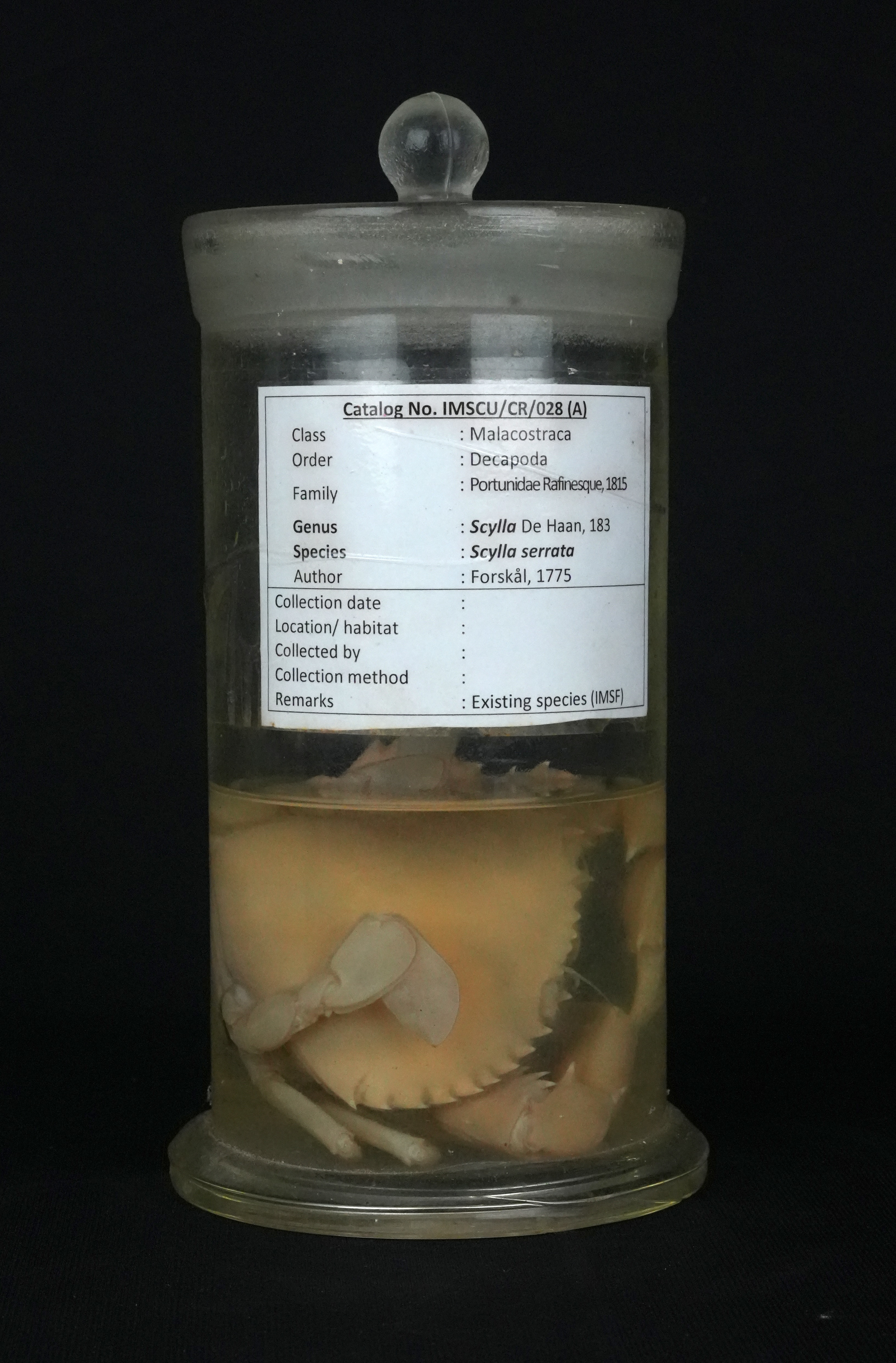
A 2011 manual from the UN Food and Agriculture Organization (FAO) lists the four mud crab species among the world's most valuable crabs. Keeping each crab in its own container, it notes, is used mainly for soft shell production, with the crab chilled or frozen before the new shell hardens.
How the crab is farmed in Shyamnagar
Crab farming in Bangladesh takes two forms: fattening, in which small crabs are reared until they gain weight, and soft shell production. Farmers and officials said the low risk of disease and the quick return, alongside foreign demand, had led many to raise soft shell crab in the brackish water of their shrimp enclosures, known as gher.
Small and medium crabs from Sundarbans rivers and canals are each kept in a floating plastic box or cage in shallow brackish water and fed small fish or snails. Once a crab moults it is lifted out before the new shell hardens, kept in clean or cold water, then graded, frozen and exported through processing plants in Shyamnagar. The Agriculture Information Service says the boxes must be checked every three hours, day and night, to remove soft and dead crabs, and that an acre of pond can yield 2,500 to 2,600 kilograms every two months.
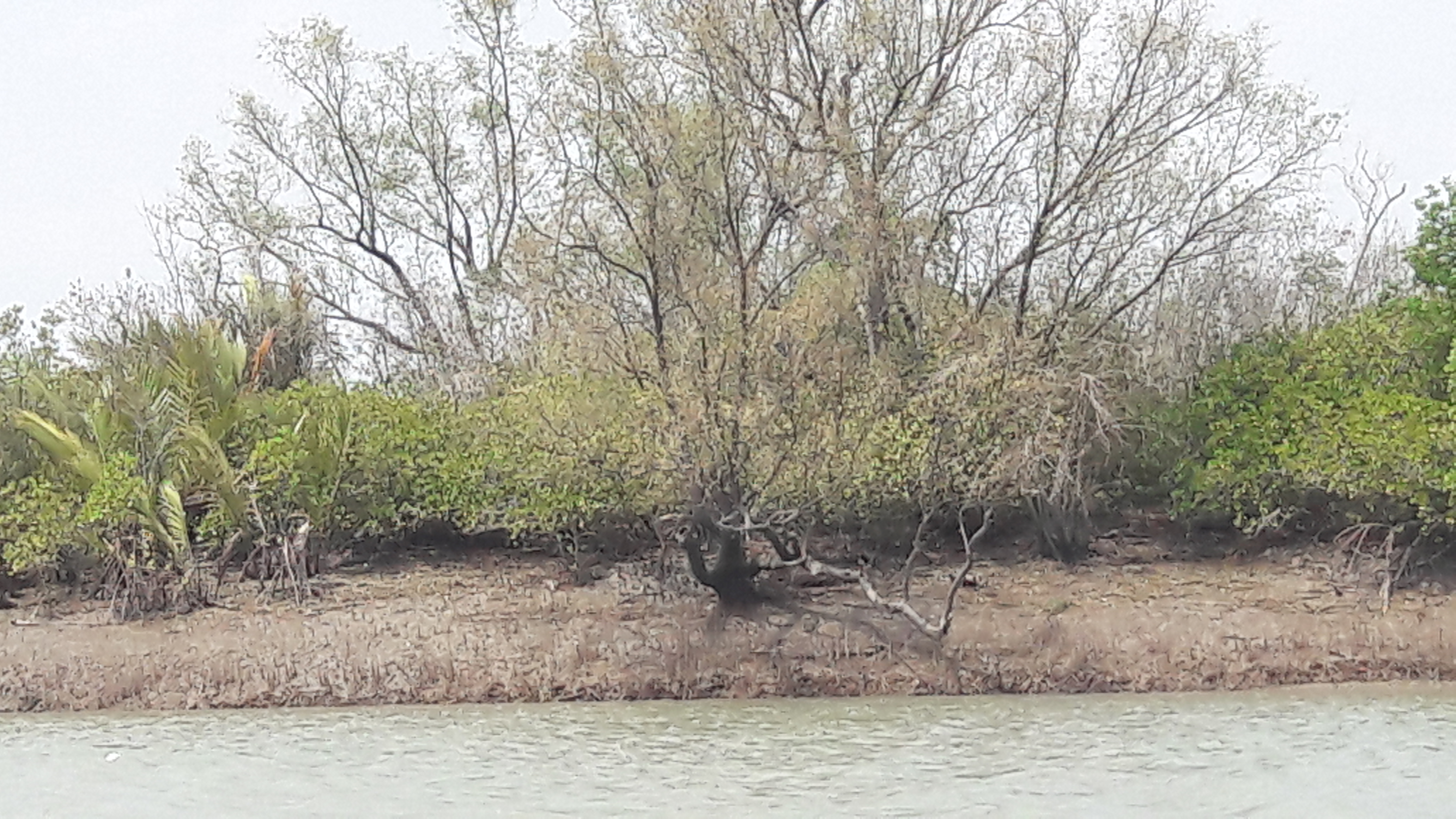
Shyamnagar, the largest upazila in Bangladesh by area at 1,968.23 square kilometres, has the Sundarbans and the Bay of Bengal to its south. About 6,017 square kilometres of the Sundarbans, the world's largest mangrove forest, lie in Bangladesh.
From hard shell to soft shell
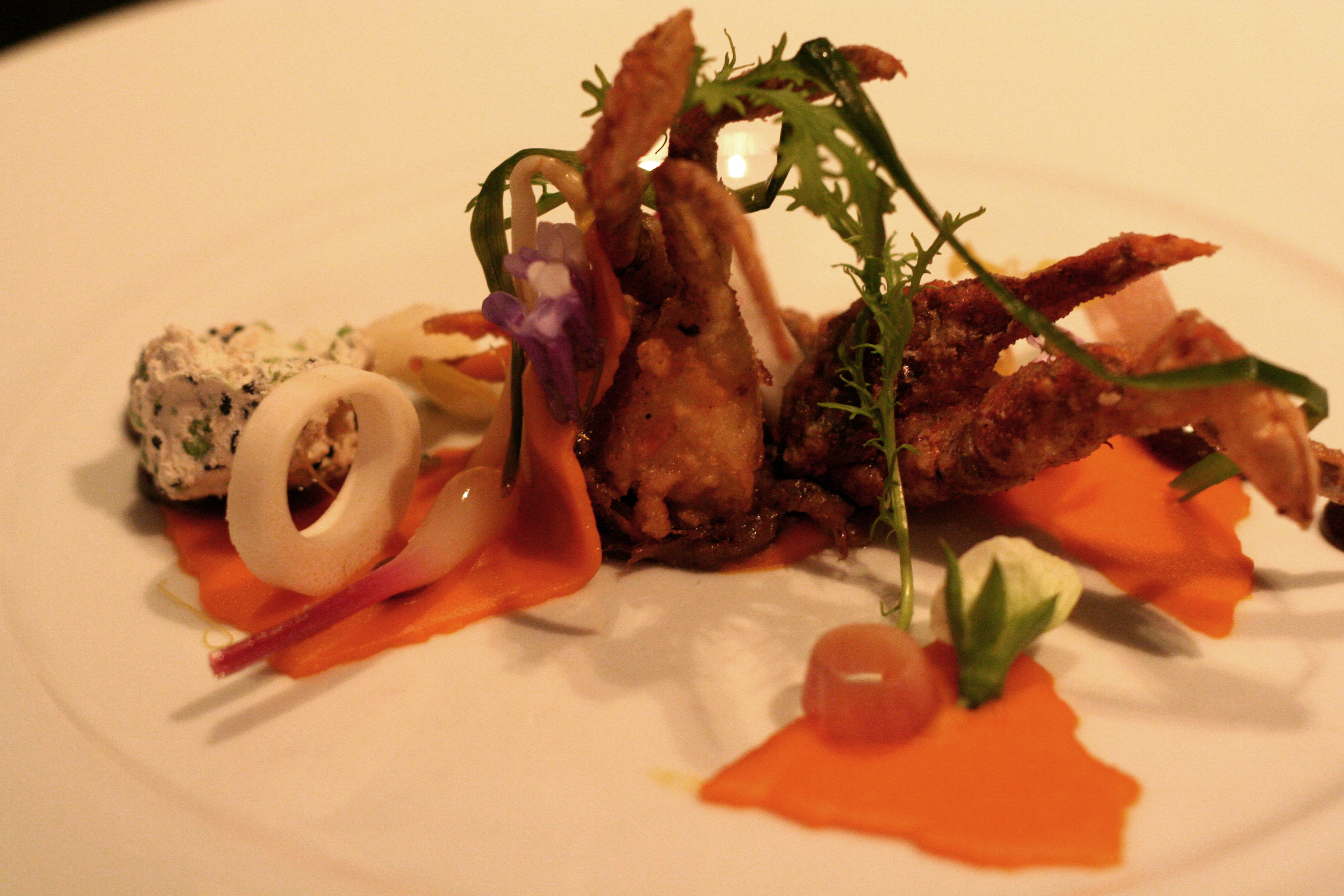
Hard shell crabs used to be exported with their legs tied, farmers and officials said. Some died on the way, and farmers often had to sell cheaply when prices fell. Private entrepreneurs began producing and exporting soft shell crab around 2014-15.
Dr Latiful Islam said the business needs investment in enclosures, boxes, washing and freezing facilities and a freezing plant. "Soft shell can be stored, but hard shell cannot," he said. Farmers said super grade soft shell crab sold for 14 to 15 dollars a kilogram.
According to Mr Selim, 126 of the district's more than 900 crab farmers were producing soft shell crab. Because the work needs people around the clock, officials said, it had employed large numbers of women, who do most of the collecting, cleaning and processing.
Dependence on wild crabs
Dr Latiful Islam warned that because large crabs moult only at long intervals, the catching of small crabs had multiplied, and wild stocks were falling as crabs were taken before they could breed. "Now one hundred percent of the crabs are collected from natural sources," he said, adding that there is no commercial hatchery for crablets.
Shafiqul Islam, manager of an exporter in Shyamnagar, told BBC Bangla that crabs can be harvested for only four to five months a year, and that easing the government ban in the main production season would raise exports. Farmers and specialists believe better technology could multiply the farming along the coast.
Photo: Vrlobo888 / Wikimedia Commons (Public domain)
Sources: BBC Bangla, Food and Agriculture Organization of the United Nations (FAO, 2011), Wikipedia
Comments
(0)