
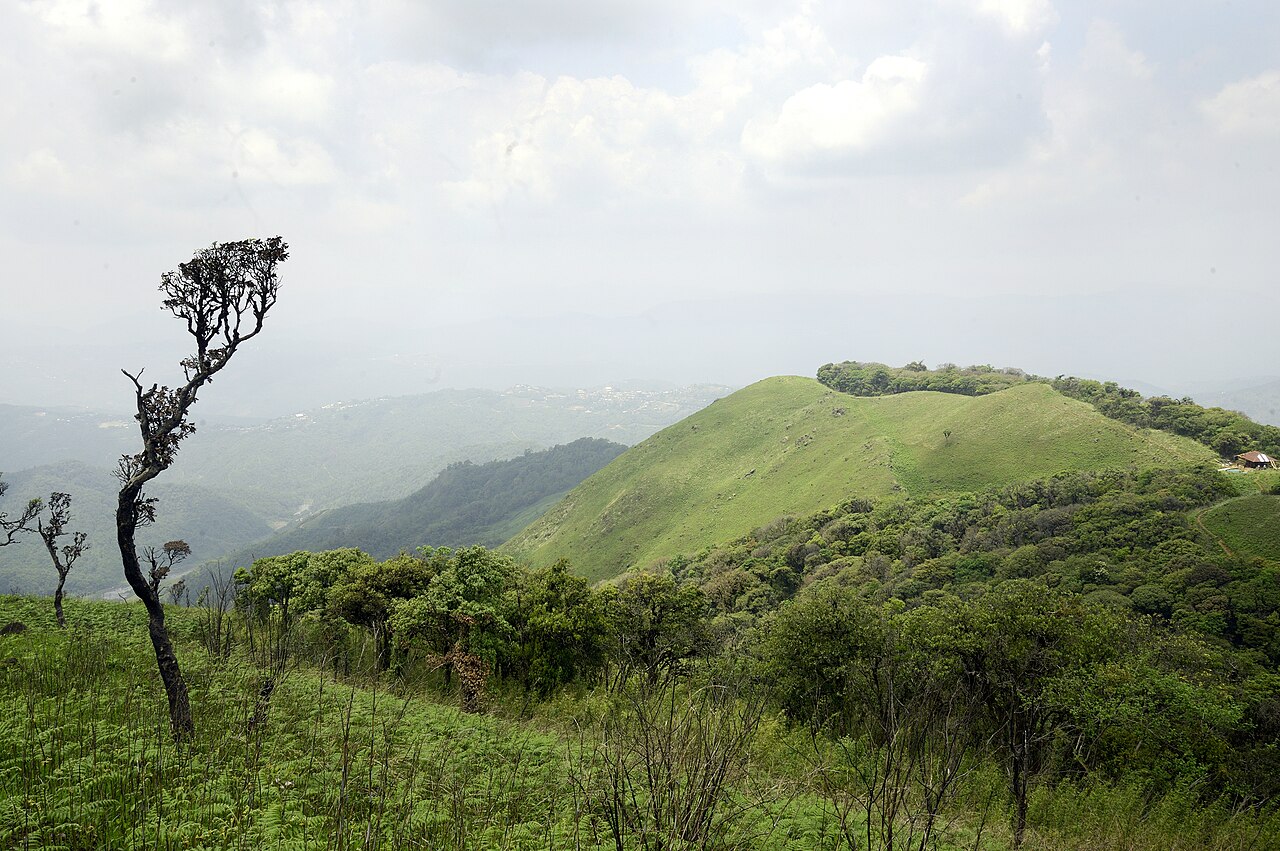
A village in Manipur that stopped hunting three years ago now has camera-trap evidence that its forests are recovering, Worngachan Shatsang reported for Down To Earth on 31 October. The footage includes the dhole, an endangered wild dog, living in Shirui's forest commons.
For years, Shirui's people have protected the commons around Shirui Kashong peak, home of the endemic Shirui lily, Manipur's state flower, and replanted it as its numbers fell. Three years ago they extended conservation to the whole village territory. "Our village authority imposed a blanket ban on hunting within Shirui territory for three years, from 2024 to 2026," said Soyo A Wungsek, chief of Shirui Aze. A few traditional traps were allowed in exceptional cases, such as protecting jhum crops from wildlife.
At first there was no monitoring and no scientific survey, so the first two years left little evidence. That changed in 2025, when Patrick Shangh, a Shirui resident and co-founder of the local group ENFOGAL (Environmental Force at Grassroot Level), installed camera traps from a grant by the US-based organisation Idea Wild. He asked Pamreithing Luireiwo, a former hunter whose knowledge of animal trails proved invaluable, to choose the sites.
So far the two have documented 15 mammal species and identified 321 bird species, which Patrick says is the first systematic record of wildlife in the community-managed forests. Threatened species recorded in the small area include the dhole, the near-threatened Assam macaque, and the vulnerable Blyth's tragopan, Mrs Hume's pheasant (Manipur's state bird) and Asiatic black bear. When the reporter joined a camera check, six cameras showed little after weeks of rain, but the last one held clips of a dhole and of a pair of tragopans. "The repeated sightings on different dates suggest that these dholes are not merely passing through but living in this forest," Patrick said.
With the ban close to its end, the village authority took up the question at its half-yearly assembly and decided to extend it for another three years. "The village council unanimously decided to continue the conservation effort after seeing the impact of the first three years across our territory," Wungsek said.
Photo: G Devadarshan Sharma / Wikimedia Commons (CC BY-SA 4.0)
Source: Down To Earth

Comments
(0)