
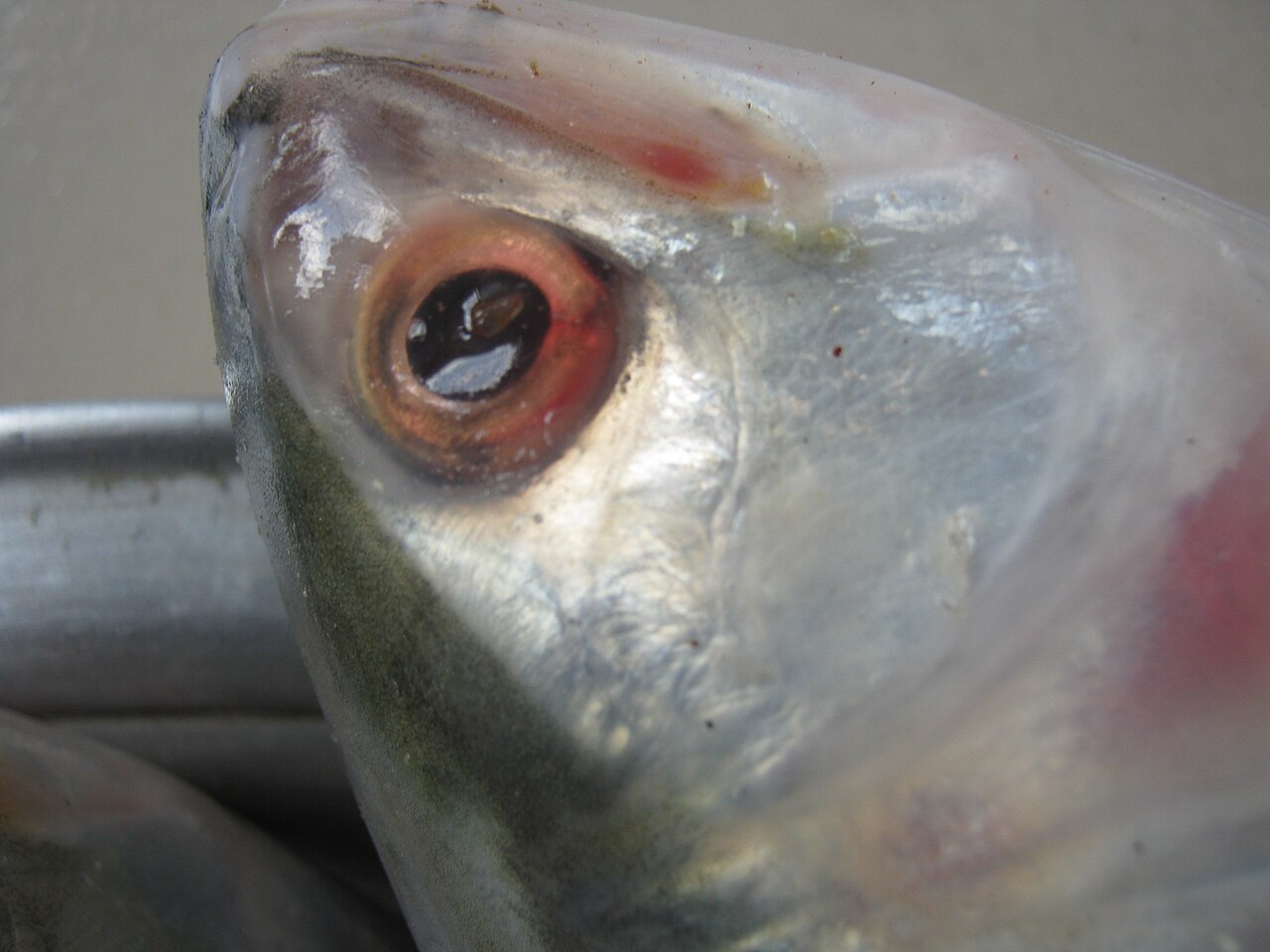
Warming seas, a stressed delta and borders that cut across its range are putting the hilsa fishery under growing pressure, and India, Bangladesh and Myanmar should manage the fish together, Sarvesh JP and Deepanjana Saha argue in a column published by Down To Earth on 31 October. Sarvesh JP is a project associate with the Bay of Bengal Programme Inter-Governmental Organisation (BOBP-IGO) in Chennai; Deepanjana Saha is a doctoral scholar with the Ashoka Trust for Research in Ecology and the Environment (ATREE). The views are the writers' own.
They cite a regional review finding that rivers gave 94% of Bangladesh's hilsa catch in 1956-1962 and the sea 6%. Today Bangladesh's Department of Fisheries puts the marine share at about 72% and rivers and estuaries at 28%. Indian data show hilsa landings falling on the West Bengal coast, while Gujarat landed 14,587.72 tonnes in 2025-26, its highest in four years, with its inland catch, almost all from the Narmada, up from 123.62 to 4,645.99 tonnes.
Hilsa live at sea and swim up rivers to breed, and the writers say the journey needs narrow conditions: a breeding temperature of about 29.3-30.2°C, near-fresh spawning water with salinity below 0.1 parts per thousand, and deep channels of 18-20 metres with strong currents. Warmer water in the northern Bay of Bengal and weaker, erratic monsoon flows let a wedge of seawater creep up riverbeds; dry-season salinity in the Meghna estuary now peaks around 10 parts per thousand, nearly double the historical baseline, and large mature fish increasingly stay offshore. Dams and barrages, siltation and pollution add to the strain, from the Sardar Sarovar dam on the Narmada to the Farakka Barrage in West Bengal.
Small-scale fishers carry the cost, often falling into debt after poor seasons, and some turn to catching jatka, juvenile hilsa, with illegal fine-mesh monofilament nets. Field research reported in the media suggests fish in the Padma are being caught at 17-18 cm, before their first spawning, against a historical maturity length of 22-30 cm.
The core of their argument is coordination. Bangladesh protects jatka and spawning fish with a 22-day breeding ban and a 65-day marine ban, but West Bengal and Odisha keep separate calendars, so when Bangladesh stops fishing, shoals that cross into India's Exclusive Economic Zone can be caught legally there. Fishing pressure shifts rather than falls, they write, and Bangladesh bears the cost of conservation subsidies while neighbours take the harvest.
They call for an Ecosystem Approach to Fisheries Management: aligned closed seasons in India, Bangladesh and Myanmar, which together land more than 95% of the world's hilsa; joint stock assessments with shared monitoring and tagging; joint advisories using real-time sea temperature and salinity data; cross-border enforcement against fine-mesh nets; and connected protected areas covering spawning grounds and migration routes.
Photo: Rezowan / Wikimedia Commons (CC BY-SA 4.0)
Source: Down To Earth

Comments
(0)