
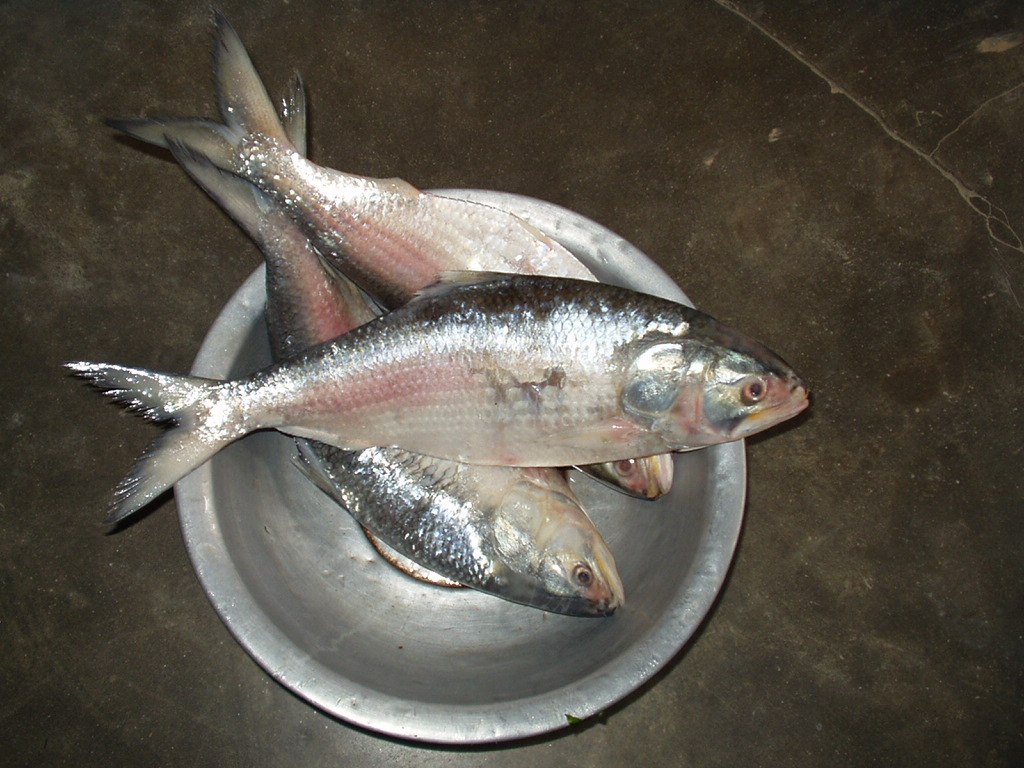
The 22-day ban that protects mother hilsa during spawning ended at midnight on 29 October. Within hours, between late night and dawn, a stream of trawlers loaded with hilsa reached the Alipur-Mohipur fishing port in Kalapara, Patuakhali. So much fish arriving so soon has led local people to ask whether it was caught during the ban.
Residents allege that although all fishing in the rivers and sea was strictly prohibited, some fishers and trawler owners ignored the order, catching large fish at sea by illegal trawling. They want the last night of the ban and the trawlers that returned at dawn investigated.
On Friday morning Desh Rupantor's Kuakata (Patuakhali) correspondent found the port busy again after 22 silent days. Trawler after trawler was docking, the wholesale sheds were full of hilsa changing hands, and fishers and traders were visibly relieved.
Md Kawsar Monir, secretary general of Save the Bay of Bengal, a group that works for coastal fishers' rights, said about 70 percent of coastal people depend directly or indirectly on fishing. He alleged that, with the connivance of some officials, fishing during the ban is reported every year. "If this goes on, the sea's fish stocks will be threatened in the near future," he said, urging the administration to be tougher on illegal trawling.
Md Zahirunnabi, senior fisheries officer for Kalapara upazila, said: "The ban ended at midnight on 29 October. Fish caught after that and brought to port in the morning are legal. There is nothing for us to do here." He said his office had done its utmost during the ban.
People in the sector say declaring a ban is not enough to protect mother hilsa; it has to be enforced and monitored. Meanwhile an eight-month ban on catching jatka, young hilsa, begins on 1 November and applies on this coast too.
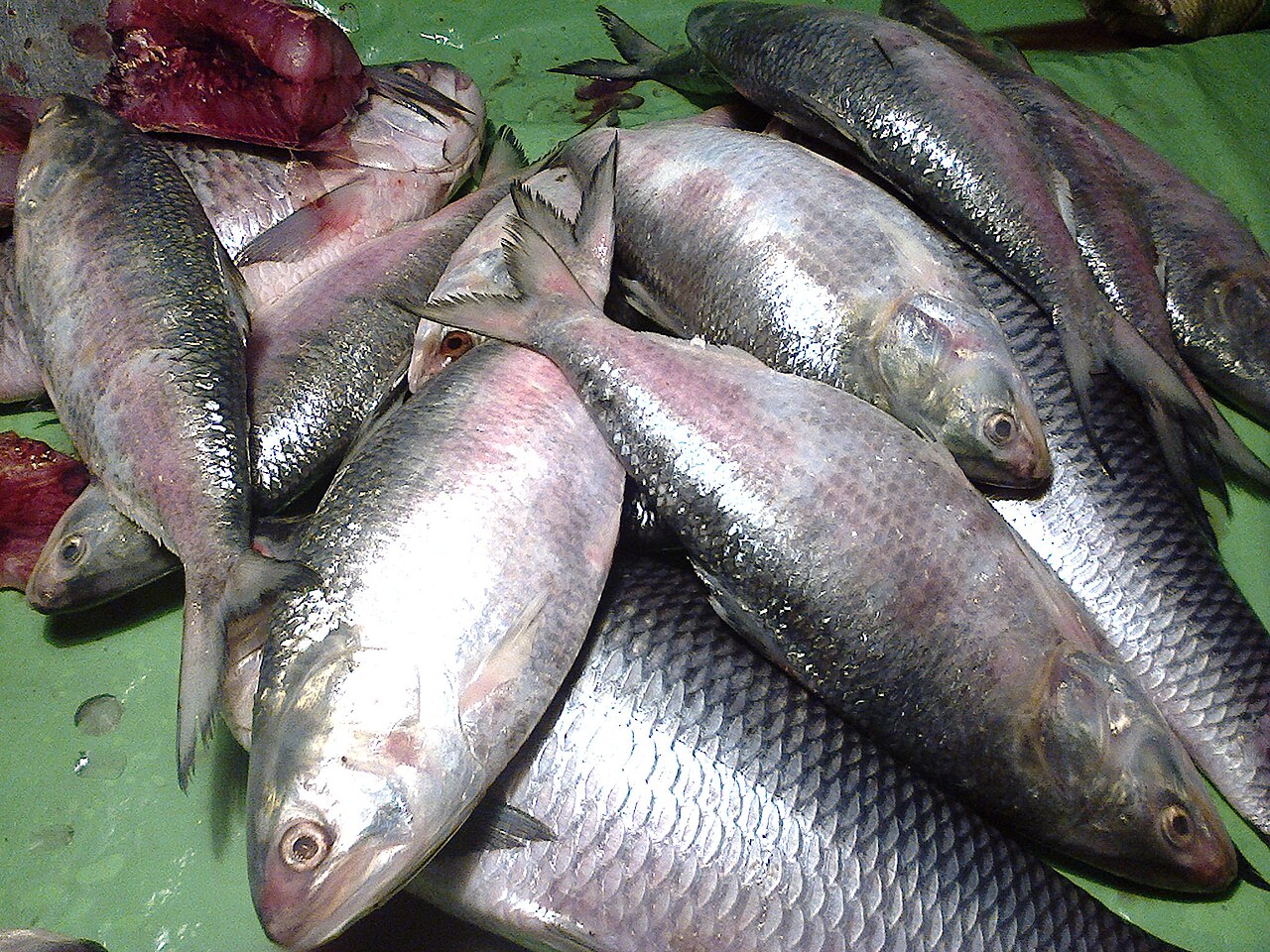
Photo: hilsa (illustrative), Mamun2a / Wikimedia Commons (CC BY-SA 2.5)
Source: Desh Rupantor

Comments
(0)