
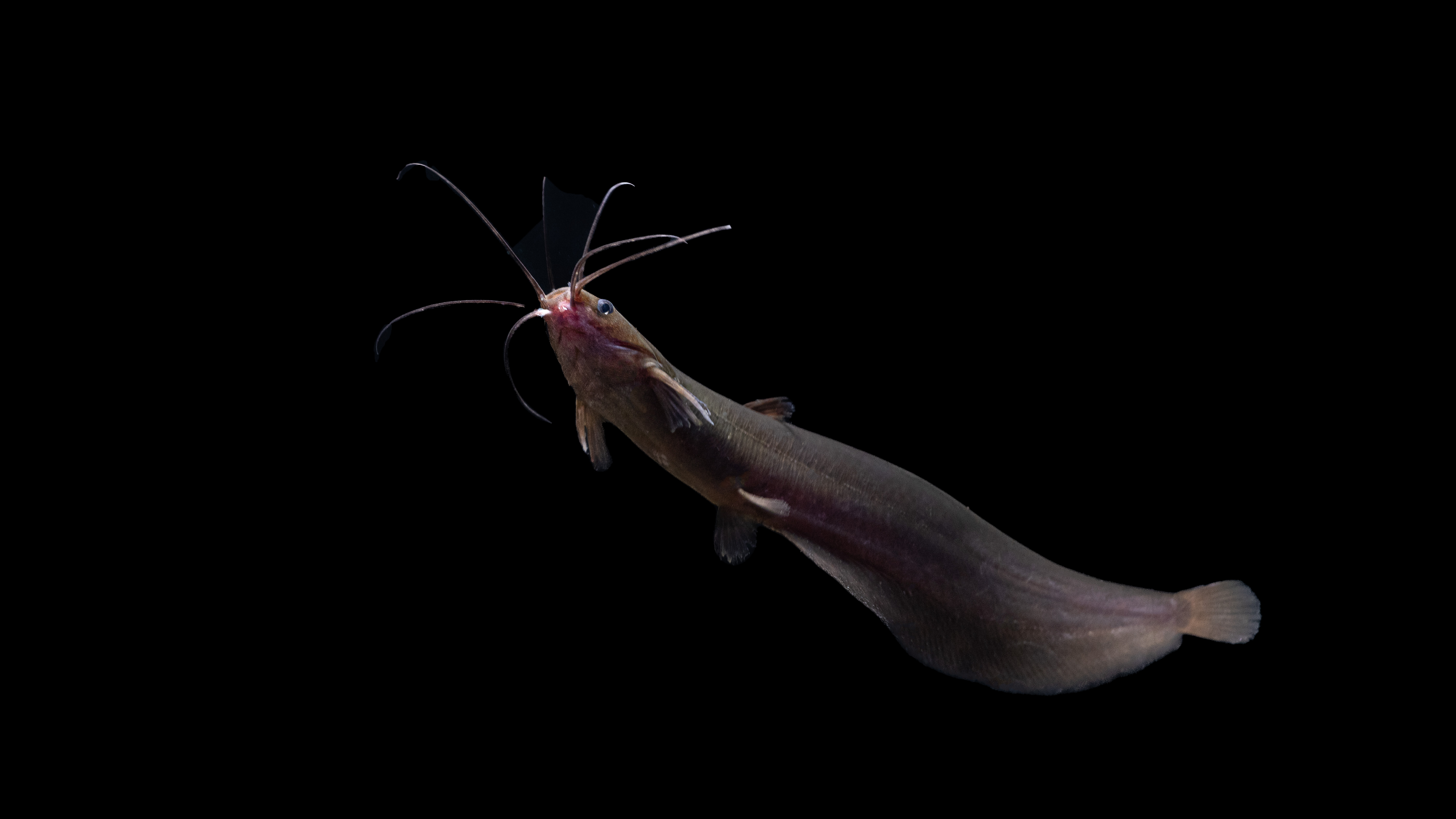
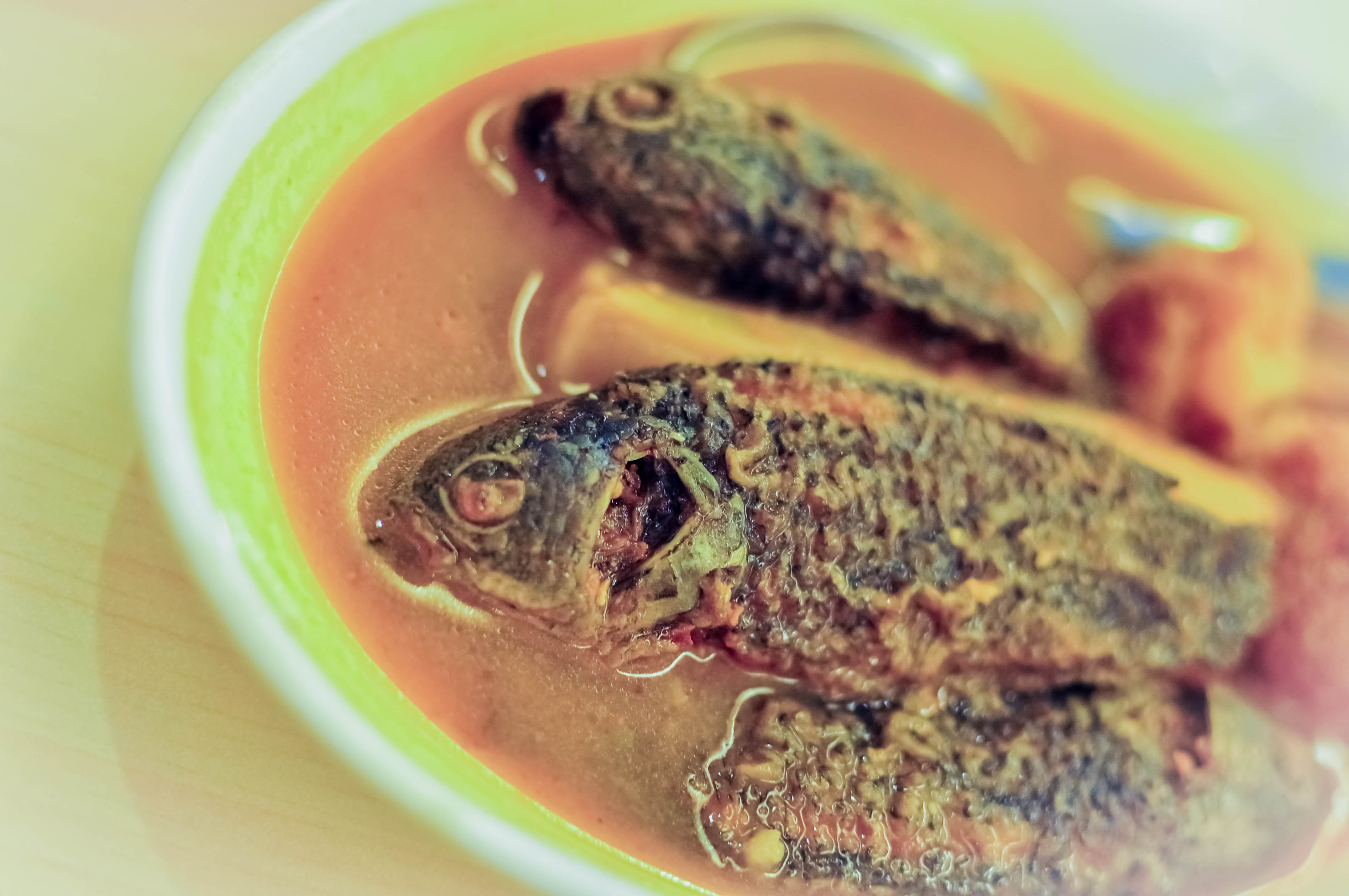
On 10 June 2026 the online news site Jagonews24 published, in its lifestyle section, a recipe for shing fish curry with potatoes for the hot days. The piece said that in intense heat the body needs light, nutritious food to stay healthy and fresh, and that a lightly spiced shing curry could be a good choice for the season's menu. The recipe calls for frying the fish and the potatoes separately, then building a gravy on a panch phoron tempering with cumin, ginger paste, turmeric and chilli.
The recipe appeared at the start of a hot month. Dhaka Times reported on 2 June 2026 that the Bangladesh Meteorological Department's long-range outlook for June expected below-normal rainfall and two to three isolated mild to moderate heat waves. The same outlook said the south-west monsoon could spread over the country in the first half of June, that there could be five to seven days of light to moderate thunderstorms, and that one or two low-pressure areas could form over the Bay of Bengal.
Ingredients
The Jagonews24 recipe gives no separate ingredient list or quantities. The ingredients named in its steps are:
- Shing fish, cleaned, washed and drained
- Potatoes, cut into pieces
- Cooking oil, for frying the fish and potatoes and for the tempering
- Salt, to rub on the fish and potatoes
- Turmeric powder, to rub on the fish and potatoes and for the spice paste
- Panch phoron, for the tempering
- Cumin
- Ginger paste
- Chilli
- Water, for frying the spices and for the gravy
The introduction to the original piece also mentions cooking with fresh vegetables, but the steps name only potatoes. With no quantities given, the cook has to judge the salt, spice and water by the amount of fish.
Method
Following the Jagonews24 method, the dish can be cooked in six steps:
- Clean the shing fish, wash it well and let the water drain.
- Rub the fish with a little salt and turmeric, fry it lightly in hot oil and set it aside.
- In the same oil, fry the potato pieces mixed with a little salt and turmeric until light brown, then lift them out.
- Add a little more oil to the karahi if needed and temper with panch phoron. When the aroma rises, add cumin, ginger paste, turmeric powder and chilli mixed with a little water, and fry the spices well.
- When the oil separates from the spices, add the fried potatoes and enough water. When the gravy boils and the potatoes soften, add the fried fish.
- Cook over a medium flame for another four to five minutes. When the gravy is as thick as you like, take it off the heat and serve.
In this method the fish is fried first and goes into the gravy only after the potatoes are soft, so it spends a short time in the pot at the end. Turmeric is used twice, to rub on the fish and potatoes and again in the spice paste; apart from the panch phoron, the tempering calls for no onion or garlic.
What the shing fish is
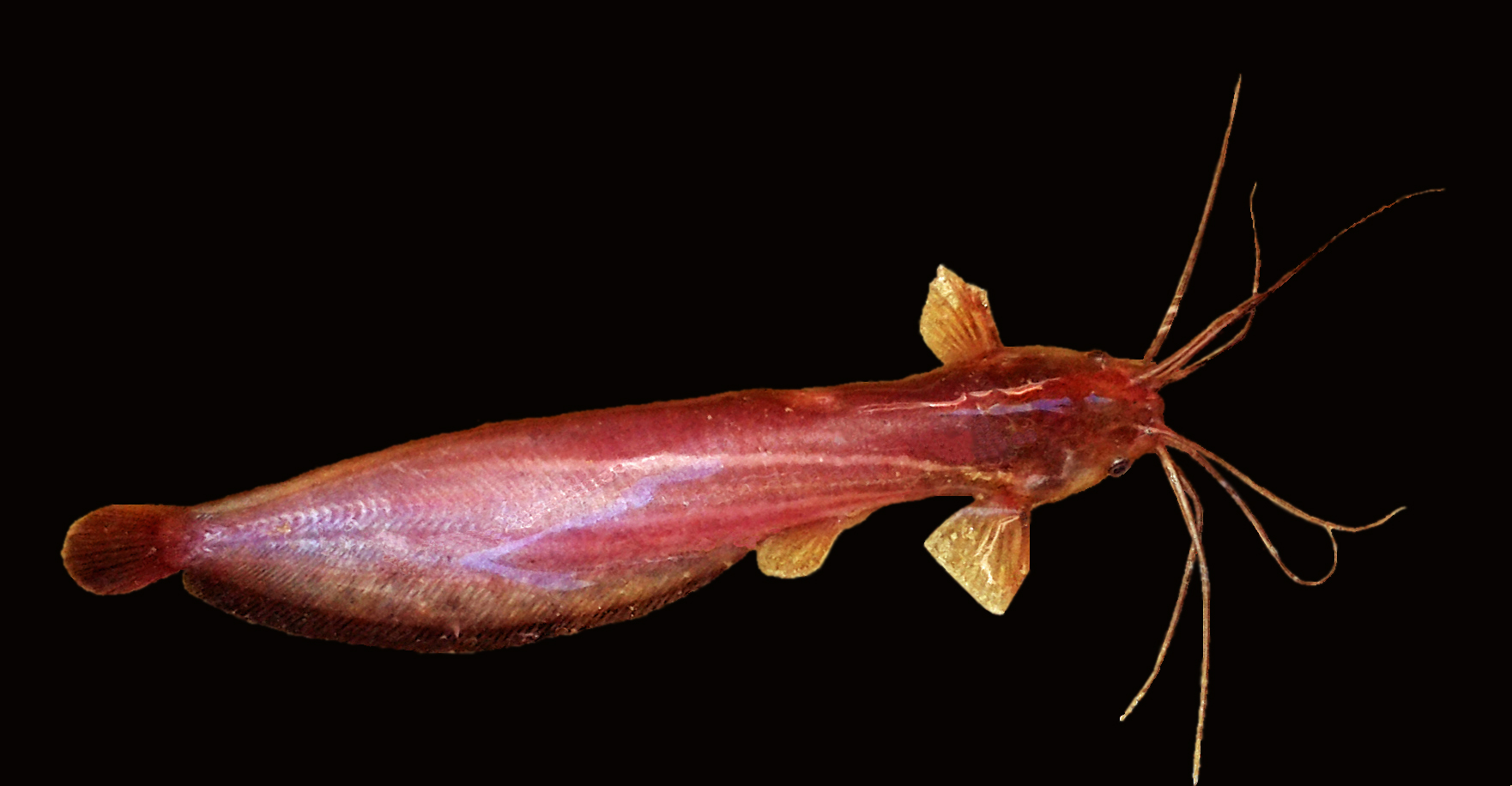
The shing's scientific name is Heteropneustes fossilis. The Freshwater Biodiversity Portal of Bangladesh gives its English names as stinging catfish or fossil catfish. The German naturalist Marcus Elieser Bloch first described it in 1794 as Silurus fossilis. The fish is native to Bangladesh, India, Pakistan, Nepal, Sri Lanka, Thailand, Myanmar and Bhutan, and has been introduced to the Tigris basin in western Iran.
The portal describes the body as elongated and compressed, with a flattened head and four pairs of barbels around the mouth; the tail fin is rounded. According to FishBase, the global fish database, the largest recorded specimen measured 41.2 cm and the heaviest weighed 400 g, though the fish usually grows to about 30 cm. It is a freshwater fish that tolerates slightly brackish water, living near the bottom at depths of less than a metre.
In Bangladesh the shing lives mainly in ponds, ditches, swamps and marshes, and sometimes in muddy rivers. Its distinctive feature is that it can breathe air: long air sacs run from the gill chamber into the body and work as lungs. FishBase describes it as a facultative air-breather. The fish is omnivorous and breeds in confined waters during the monsoon; it can also breed in ponds and ditches when enough rainwater collects.
The International Union for Conservation of Nature (IUCN) lists the shing as Least Concern globally; FishBase dates that assessment to 11 August 2019. A study published in 2021 notes that the fish was also listed as Least Concern in IUCN Bangladesh's 2015 Red List. FishBase classes it as highly commercial in fisheries and records its use in aquaculture and the aquarium trade. The database adds that the fish is in great demand because of a reputed medicinal value; no health authority source read for this report confirms any specific medicinal property.
A venomous spine: care when cleaning the fish
The word 'stinging' in the shing's English name comes from its venomous spines. Each pectoral fin carries a hard spine with a venom gland attached, and a sting from it is extremely painful. FishBase lists the shing as venomous because of its pectoral spines and classes it as traumatogenic, meaning able to cause injury to people.
Care is therefore needed with the pectoral spines when buying, washing and cutting the fish. If a spine goes in and the pain or swelling does not ease, see a doctor. A 2021 Prothom Alo recipe tells the cook to cut the fish, wash it well and divide it into pieces; the Jagonews24 recipe tells the cook to clean, wash and drain it.
Nutrition: what the food composition table says
Jagonews24 described shing as rich in protein, iron and other essential nutrients. The standard reference for the nutrient content of Bangladeshi foods is the Food Composition Table for Bangladesh, published in June 2013 by the Institute of Nutrition and Food Science (INFS) of the University of Dhaka and held in the food composition database of the Food and Agriculture Organization of the United Nations (FAO). All its values are per 100 g of edible portion.
The table was prepared by INFS researchers including Nazma Shaheen and Abu Torab M. A. Rahim, with the support of the Ministry of Food's National Food Policy Capacity Strengthening Programme (NFPCSP) and FAO, and with USAID and the European Union. It holds values for 87 components in 381 foods. Data from Bangladeshi research institutes, universities and NGOs were compiled, 20 key foods were analysed in the laboratory, and missing values were filled from the Indian and Vietnamese food composition tables, USDA and the scientific literature. Values from different sources for the same food were averaged; the sources behind the shing figures include several master's theses from the University of Dhaka's fisheries department.
Bangladesh's first report on food nutrient values, 'Nutritive Values of Some Common Food Stuffs', appeared in 1973 and covered 108 raw foods. INFS revised it in 1977 as a booklet, 'Deshio Khaddyodrobbeyer Pushtiman'. In 1988 Helen Keller International, the World Food Programme and INFS published 'Tables of Nutrient Composition of Bangladeshi Foods', which gave only 13 components for 338 raw foods. The 2013 table was built to replace those outdated and incomplete data.
For raw shing without bones, the table gives these values per 100 g:
- Energy: 101 kcal
- Water: about 76.7 g
- Protein: about 17.2 g
- Fat: about 3.5 g
- Carbohydrate: 0 g
- Calcium: about 319 mg
- Iron: about 2.1 mg
- Phosphorus: about 304 mg
- Potassium: about 434 mg
- Sodium: about 83 mg
- Zinc: about 0.55 mg
- Vitamin A: about 16 micrograms (retinol activity equivalents)
The table sets the edible-portion coefficient for shing at 0.75; the rest of the fish as bought is head, bone and other parts that are thrown away. Other fish in the same table give a comparison. Raw indigenous koi (climbing perch) has 130 kcal, about 17.5 g of protein, about 6.6 g of fat, 410 mg of calcium and about 1.2 mg of iron per 100 g. The dorsal portion of rohu, catla and mrigal with skin has 104 kcal, about 19.7 g of protein, about 2.8 g of fat, about 38 mg of calcium and about 0.9 mg of iron. Whole mola carplet, eyes included, has about 767 mg of calcium and about 3.8 mg of iron.
On the table's figures, then, shing has protein close to that of rohu and catla, less fat than koi, and more calcium and iron than the dorsal cut of the large carps, though less than small fish such as mola that are eaten whole. A 2021 study by Bangladeshi researchers in the Saudi Journal of Biological Sciences also describes the shing as a good source of protein, iron and calcium, low in fat and highly digestible.
The original piece also said shing boosts immunity. No health authority source was found for that claim, so it is left out of this version. Cooking changes nutrient values somewhat, and frying in oil adds fat. Anyone choosing food because of a special diet or an illness should ask a doctor or a nutritionist.
Breeding season and farming
A study of shing breeding in Gajner Beel, a wetland in north-western Bangladesh, by Md Rabiul Hasan, Md Yeamin Hossain, Zannatul Mawa and Mostafa A. R. Hossain was published in the Saudi Journal of Biological Sciences in September 2021. The researchers sampled the beel every month from January to December 2019 and examined 426 female fish.
They found that the shing spawns from April to August, with the peak in June. Length at first sexual maturity came out at between 13 and 15 cm depending on the method, and the number of eggs per female ranged from 1,730 to 23,870. The authors recommended setting a fishing ban based on the peak spawning season. They also wrote that most beels dry out for half of the pre-monsoon and post-monsoon periods because of rising temperatures and falling rainfall.
The same paper said shing farming had yet to flourish in Bangladesh for want of effective culture technology and quality seed. For monoculture, the authors cite a stocking density of 125,000 fingerlings per hectare, feed with 40 percent protein, and feeding twice a day. Farmers planning to stock shing should consult their upazila fisheries officer first.
In the government's fisheries statistics, shing is counted with koi and magur in the 'live fish' group. A 2024 analysis by Mehedi Hasan Manik in the fisheries journal of Universitas Gadjah Mada sets out this species grouping from Department of Fisheries data. Prothom Alo reported on 10 June 2024 that the FAO's 'The State of World Fisheries and Aquaculture 2024' placed Bangladesh second in the world for freshwater fish production in 2022, at 1.32 million tonnes. Dhaka Tribune reported on 30 July 2024, citing a government message for National Fisheries Week, that by FAO's count Bangladesh ranked fifth in fish farmed in closed waters.
Panch phoron and the Bengali fish jhol
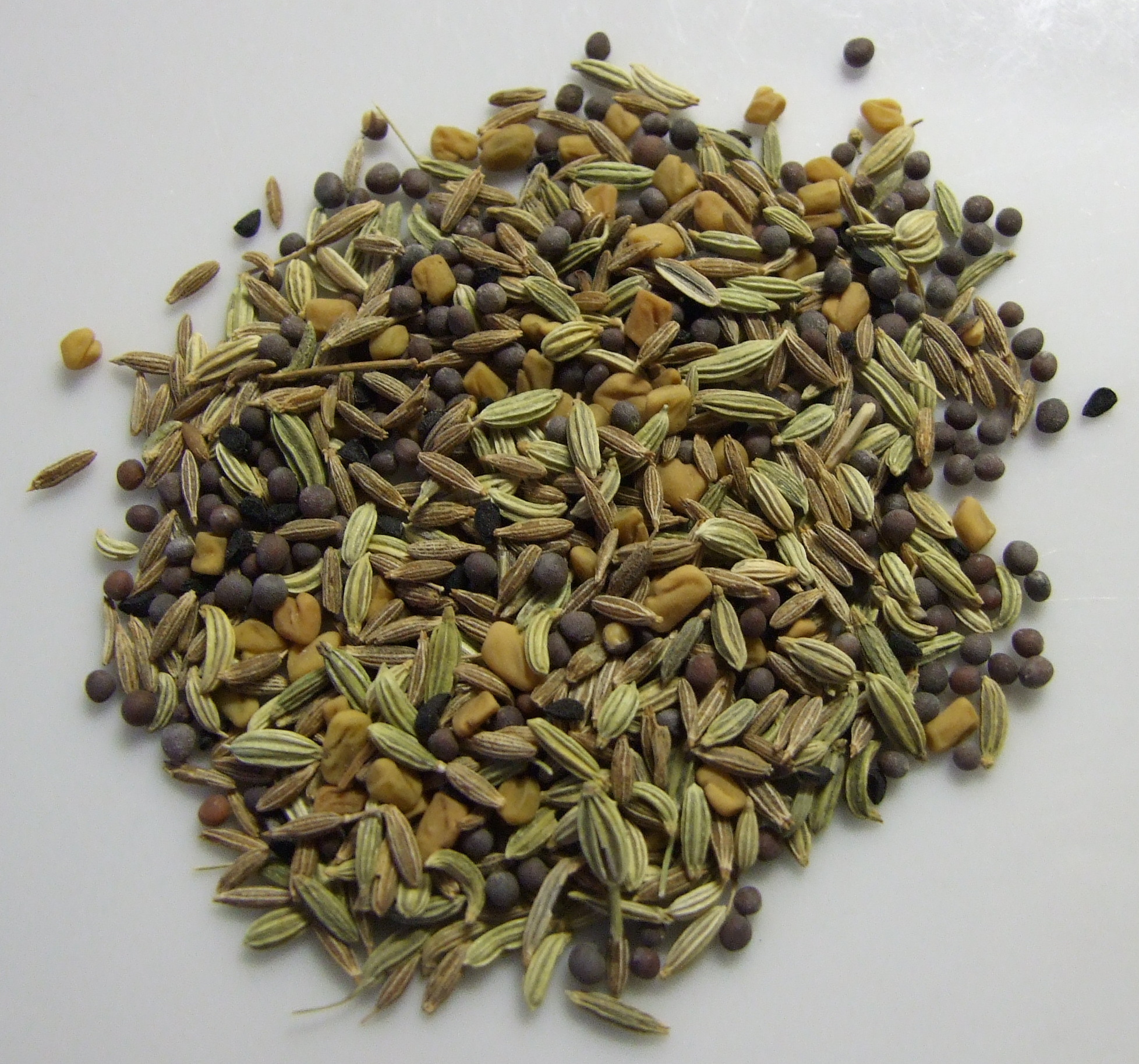
The panch phoron used in the tempering is a mix of five whole spices: fenugreek, cumin, nigella, black mustard and fennel, usually in equal parts. Some cooks use less fenugreek because of its mildly bitter taste, and some replace the mustard with radhuni (wild celery seed). Unlike most spice mixes it is never ground: it goes whole into hot oil to release its aroma before the other ingredients, the technique called tempering. Panch phoron comes from Bangladesh and eastern India and is also used in West Bengal, Odisha, the Bhojpuri region of Bihar, Assam and Nepal.
In 'Jhol, ghater theke ghorer' (Jhol, from the ghat to the home), published in The Daily Star Bangla on 12 April 2022, Shahana Huda Ranjana wrote that the word jhol comes from 'jhor' and that jhol is mentioned in the Ramayana, the Chaitanya Charitamrita and the Dharmamangal. She wrote that magur, shing and shol can be made into a jhol with potato, aubergine, kopi (cabbage or cauliflower) and tomato. She also described regional differences in thickness: people in Chattogram prefer drier curries, Mymensingh and the haor areas favour a thick gravy, and she singled out the thin fish jhol of Sunamganj for praise.
Shing jhol is also made without potatoes. In a set of native-fish recipes Prothom Alo published on 15 March 2021, Kalpana Rahman's shing curry with bean seeds used three to four shing, one cup of bean seeds, two ripe tomatoes, five to six green chillies, a handful of coriander leaves and one teaspoon of turmeric powder. In that method the tomatoes are boiled whole for a minute, peeled and chopped; ground and powdered spices are fried in oil with a cup of water and the tomatoes; when the tomatoes melt, the fish is fried in the paste and set aside; the bean seeds are then fried and water added; and when the seeds are nearly cooked the fish, green chillies and coriander go back in, and the curry is taken off while still runny.
Keeping cooked food safe in the heat
Cooked food spoils faster on hot days. The World Health Organization (WHO) sets out five keys to safer food: keep clean; separate raw and cooked; cook thoroughly; keep food at safe temperatures; and use safe water and raw materials.
Under this guidance, meat, poultry, eggs and seafood in particular should be cooked thoroughly; studies have shown that cooking food to 70°C can help ensure it is safe to eat. Cooked food that is reheated should be heated thoroughly. The guidance also advises separate knives and cutting boards for raw meat and fish.
WHO advises not to leave cooked food at room temperature for more than two hours. Cooked and perishable food should be refrigerated promptly, preferably below 5°C; cooked food should be kept piping hot, above 60°C, until it is served; food should not be stored too long even in the refrigerator; and frozen food should not be thawed at room temperature. WHO explains that microorganisms multiply very quickly at room temperature, and that holding food below 5°C or above 60°C slows or stops their growth. It also advises choosing fresh and wholesome raw materials.
To show why this matters, a WHO fact sheet updated on 4 June 2026 said that, on 2021 estimates, about 866 million people, almost one in nine in the world, fall ill each year after eating contaminated food and 1.52 million die. Children under five bear 29 percent of the health burden of unsafe food.
Photo: AravindManoj / Wikimedia Commons (CC BY-SA 4.0)
Sources: Jagonews24 (10 June 2026), Dhaka Times (2 June 2026), Food Composition Table for Bangladesh (INFS, University of Dhaka, 2013; FAO), FishBase, Freshwater Biodiversity Portal of Bangladesh, Saudi Journal of Biological Sciences (Hasan et al., 2021), Jurnal Perikanan Universitas Gadjah Mada (Manik, 2024), Prothom Alo (15 March 2021 and 10 June 2024), Dhaka Tribune (30 July 2024), The Daily Star Bangla (12 April 2022), World Health Organization, Wikipedia


Comments
(0)