
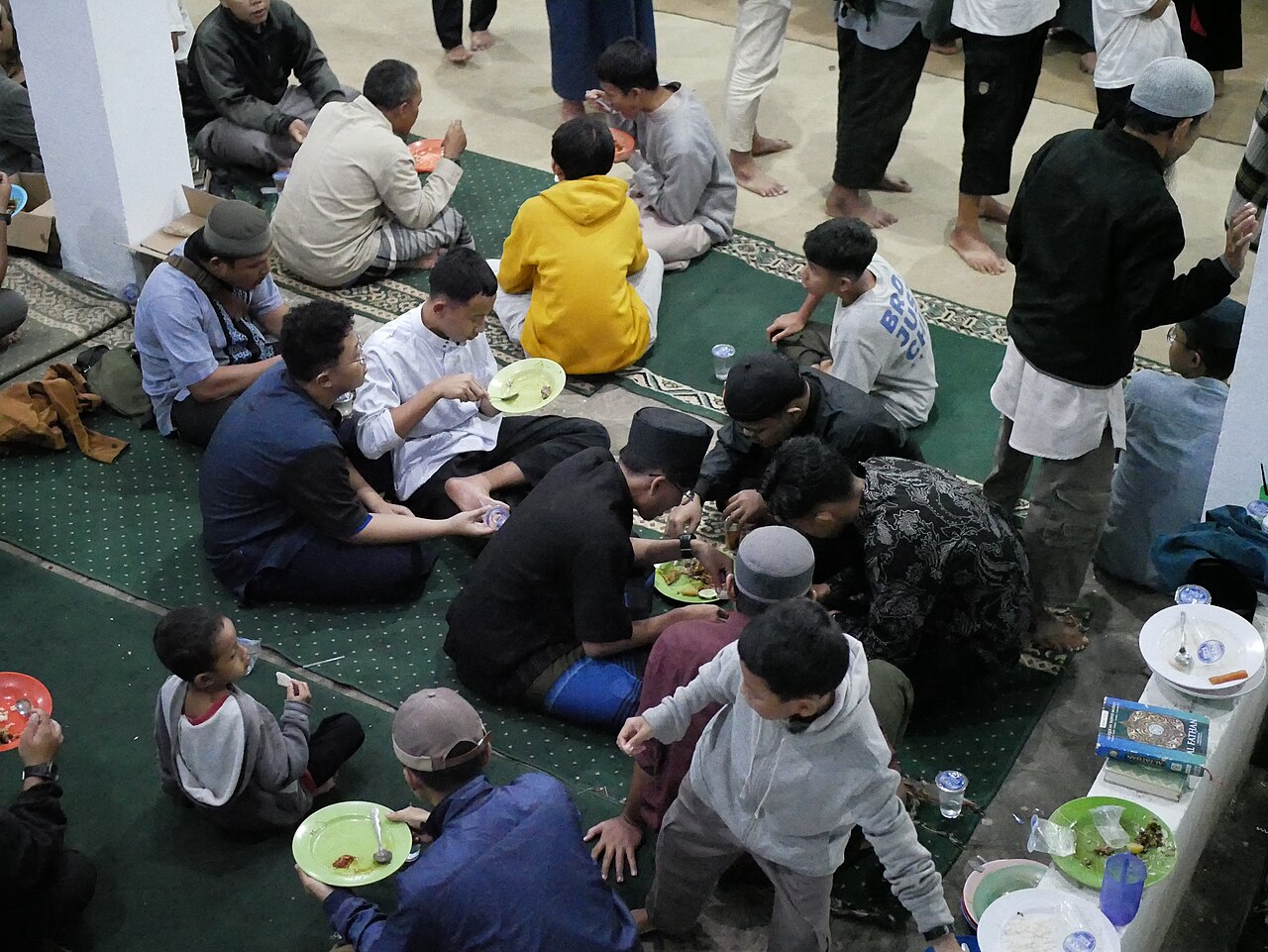
Worship in the last part of the night carries great weight in Islam, and it had a special place in the life of the Prophet Muhammad (peace be upon him). A piece on Prothom Alo's religion page sets out seven of his night-time practices, each with its source in the Quran or hadith.
The first is tahajjud prayer. The Quran says: "And during part of the night, pray tahajjud as an extra act of worship for you." (Surah Bani Israil, 17:79) Aisha (may Allah be pleased with her) said the Prophet prayed so long at night that his feet swelled, and when asked why, he said: "Should I not be a grateful servant?" (Sahih al-Bukhari, 4837) The piece notes that a believer can begin this sunnah with just two rak'ahs in the quiet of the night.
The second is slow, reflective recitation. Hudhayfah (may Allah be pleased with him) prayed with the Prophet one night and heard him recite Al-Baqarah, An-Nisa and Al Imran unhurriedly, glorifying Allah at verses of glorification, asking at verses of supplication and seeking refuge at verses of refuge. (Sahih Muslim, 772)
The third is dua. A hadith says that when the last third of the night remains, Allah says: "Who will call on Me, that I may answer him? Who will ask of Me, that I may give him? Who will seek My forgiveness, that I may forgive him?" (Sahih al-Bukhari, 1145) The fourth is witr. The Prophet said: "Make witr the last of your prayers at night." (Sahih al-Bukhari, 998) Yet he advised Abu Hurairah to pray witr before sleeping if he feared he would not wake. (Sahih al-Bukhari, 1178)
The fifth is istighfar, seeking forgiveness. Describing the God-fearing, the Quran says: "They used to sleep but little of the night, and in the hours before dawn they would seek forgiveness." (Surah Adh-Dhariyat, 51:17-18) The sixth: on waking, the Prophet would look at the sky and recite the last ten verses of Surah Al Imran, then perform ablution and pray. (Sahih al-Bukhari, 183)
The seventh is waking the family for worship. In the last ten nights of Ramadan the Prophet stayed up in worship and woke his family. (Sahih al-Bukhari, 2024) The piece says that while the hadith is about Ramadan's last ten nights, the lesson of encouraging one's family in worship holds all year.
Photo: Muhamad Izzul Fiqih / Wikimedia Commons (CC BY-SA 4.0)
Source: Prothom Alo

Comments
(0)