
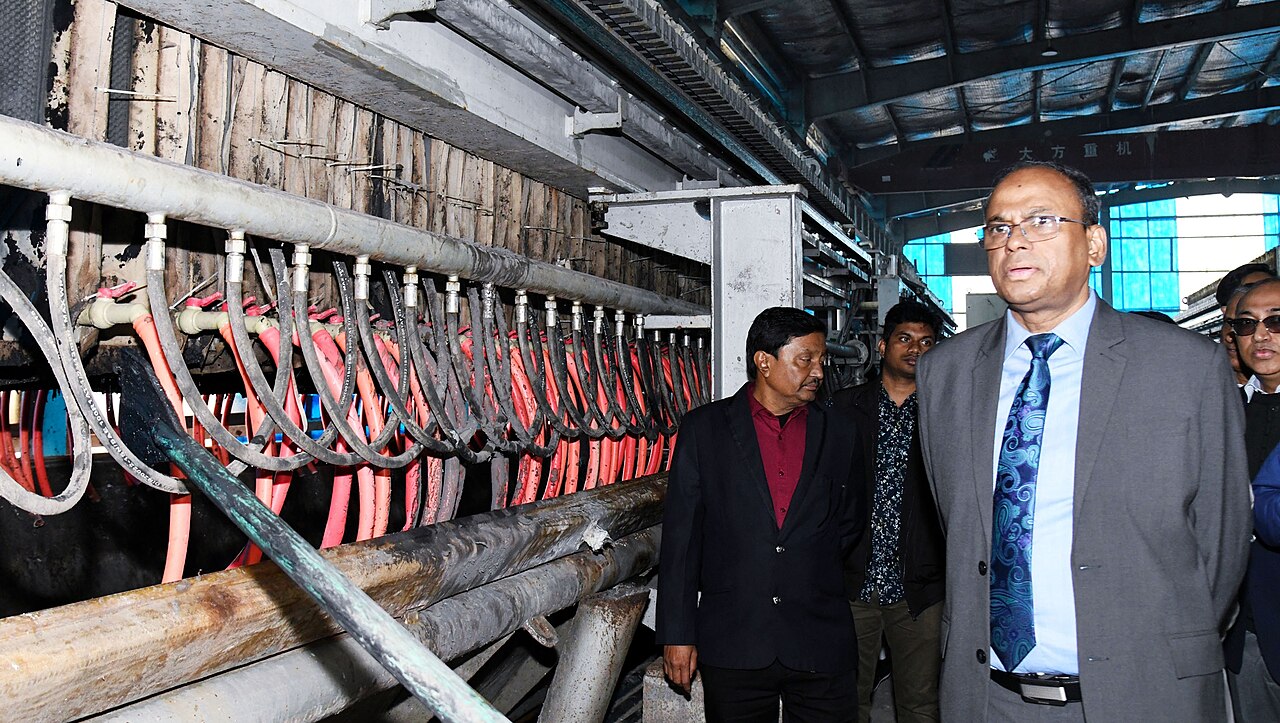
The Savar Tannery Estate produces about 84,000 tonnes of solid waste a year, most of it unused, and a policy dialogue in Dhaka has called for a comprehensive national solid waste management policy to turn it into a resource.
The dialogue, "Waste to Resource: Tannery Solid Waste By-product Entrepreneurship Model", was organised by Business Initiative Leading Development (BUILD) and The Asia Foundation at a Dhaka hotel on Monday, 5 October.
Presenting the keynote, BUILD chief executive Ferdous Ara Begum said 60 to 70 percent of the waste is chromium-free beamhouse trimmings and fleshings, which can be made into high-value products such as gelatin, collagen, protein meal and tallow. Weak policy, unclear waste codes and no rule for separating waste at source mean most of it goes unused or is dumped, she said.
Her presentation set out business models from commercial biorefineries to small tallow-extraction units, and said putting the waste to use could save about $100 million a year now spent importing gelatin, glue, shoe soles and poultry feed additives.
The chief guest, Smriti Karmakar, additional secretary at the Ministry of Industries, said tannery waste should be seen not only as a pollution problem but, with the right technology, as an asset for new businesses, investment and green entrepreneurs. The ministry is ready to work with BUILD and others on the study's recommendations, she said.
BUILD chairperson Abul Kasem Khan said foreign investors who want to back by-product projects face a severe shortage of raw material, and urged closer work between ministries, regulators, development partners and the private sector to close the gap between policy and practice.
Photo: Press Information Department / Wikimedia Commons (public domain)
Source: Desh Rupantor



Comments
(0)