
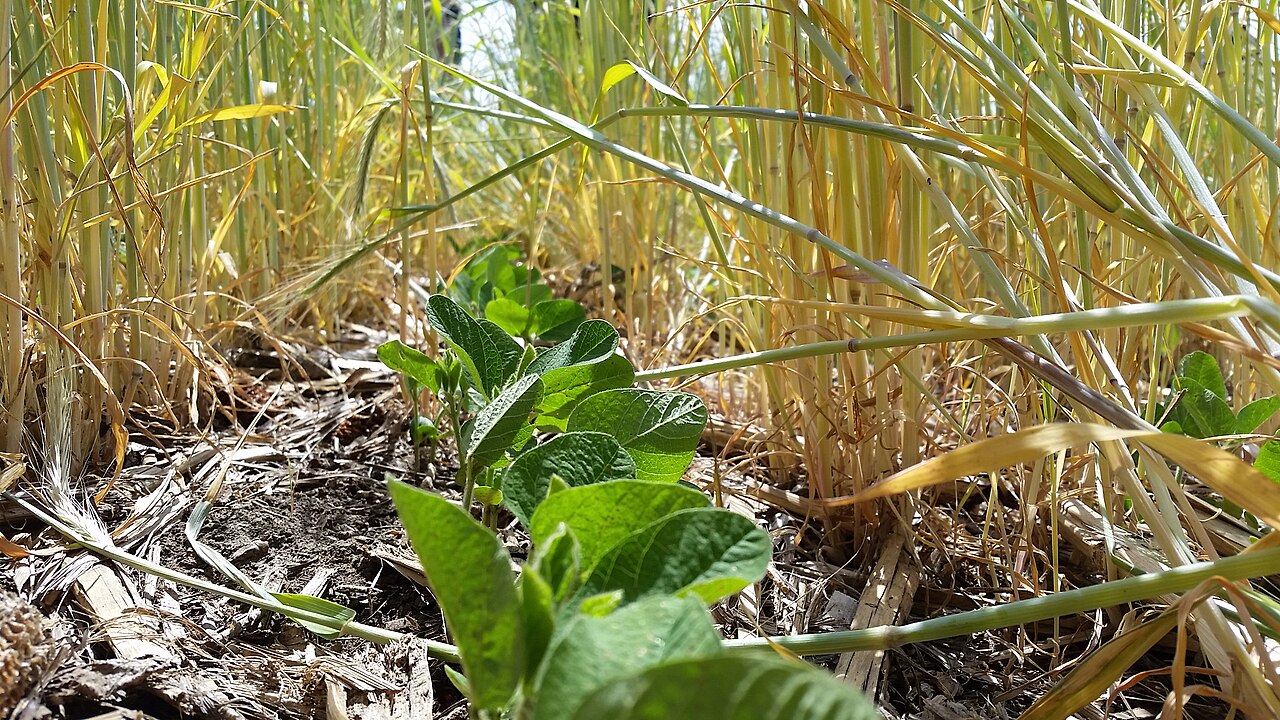
The US Sustainable Agriculture Research and Education programme (SARE) has published the second edition of its handbook Cover Crops: Improving Soil Health, Stewardship and Profitability on the Farm, which aims to help farmers choose and manage cover crops for their own operations.
Cover crops can improve soil, break pest cycles, cut input costs and raise yields, but choosing the right mix of species, the timing and the equipment takes care. Drawing on decades of research and farmer experience, the handbook covers how cover crops can fuel farms, how to make money from them, how they build soil health, simple first steps, selecting species and mixes, equipment strategies and potential problems.
The new edition adds chapters on using cover crops in grazing, horticulture and organic systems, and tells the stories of 12 grain, vegetable and livestock farmers from across the United States about how they manage cover crops and what they have learned.
"Start small," advises author Rob Myers, director of the University of Missouri Center for Regenerative Agriculture. "The land you work with can be green and healthy if you take the steps to get there."
The handbook can be read free online at sare.org, and print copies cost $32 each plus shipping, with discounts for orders of ten or more.
Photo: Lander Legge, USDA NRCS / Wikimedia Commons (public domain)
Source: CropLife


Comments
(0)