
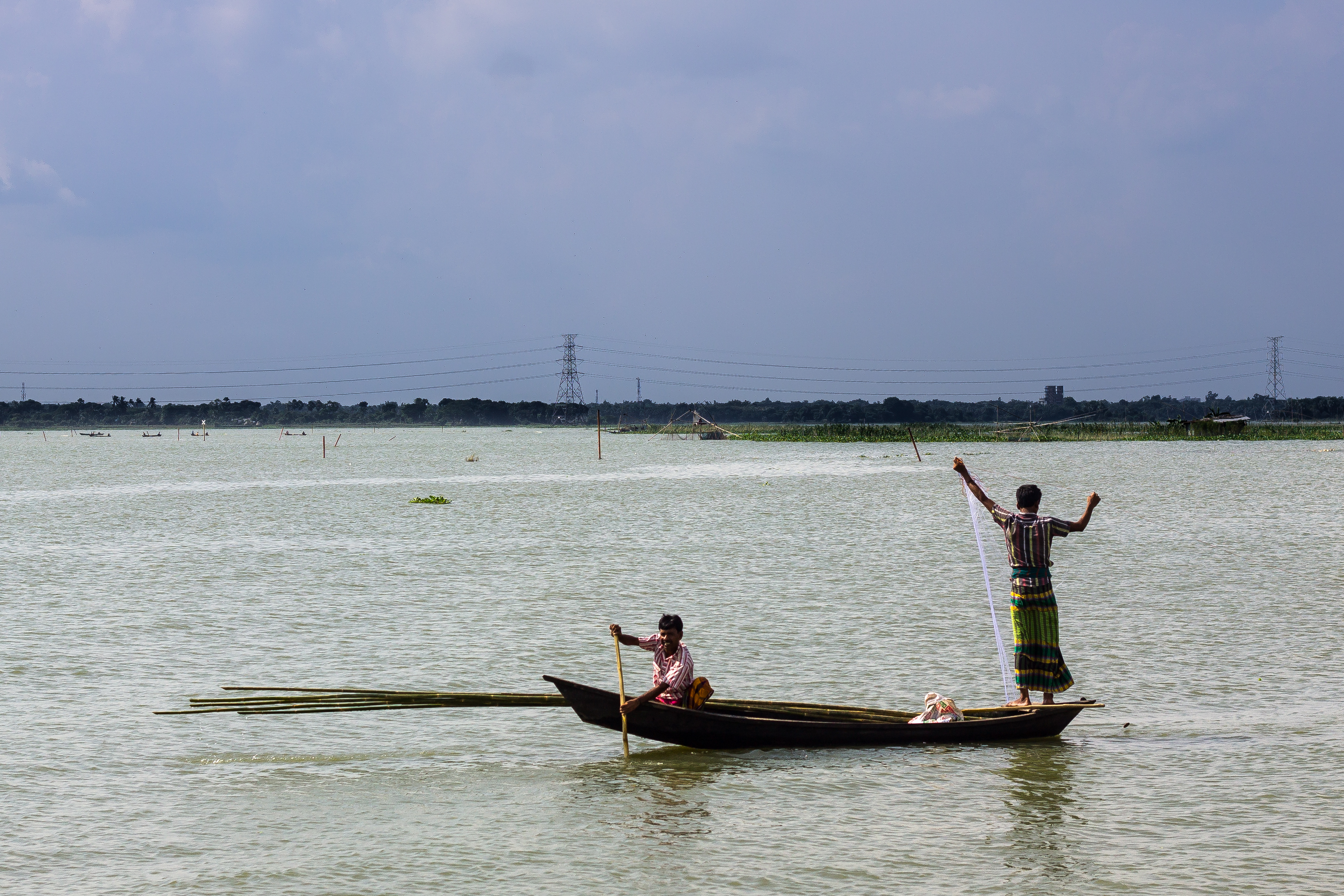
In a column in Amar Desh, Md. Sabuj Mia, a student of political science at Rajshahi University, asks who will stop the filling and grabbing of the country's rivers. The views are the writer's own.
Rivers, he writes, are the lifeblood of the economy, a support for farming, a means of transport and a store of biodiversity; settlements and markets grew on their banks because of water for crops and fertile silt. Climate change, a growing population and food insecurity have made fresh water more important, yet the rivers are disappearing.
He describes earth being dumped to build homes on riverbanks, and shops, markets and malls going up on river land. Small rivers are narrowed bit by bit until within a few years they become a channel or a drain, and then the flow stops and the river is gone. Some powerful people and businessmen are seizing the banks of large rivers too, and waste from illegal factories on the banks pollutes the water.
As remedies he calls for the boundary of every river to be fixed properly, firm legal action against encroachers however powerful, regular monitoring after evictions to stop re-occupation, and joint work by the River Protection Commission, the Water Development Board, district administrations, local government and the Department of Environment.
He also urges re-excavating rivers that have shrunk and planned dredging, while guarding against illegal sand extraction and bank damage in the name of dredging, and suggests turning reclaimed banks into parks or green belts. Above all, he argues, political will is needed, since no law works if encroachers stand above it. Saving rivers, he concludes, means safeguarding farming, fisheries, biodiversity and the livelihoods of future generations.
Photo: Jubair1985 / Wikimedia Commons (CC BY-SA 4.0)
Source: Amar Desh


Comments
(0)