
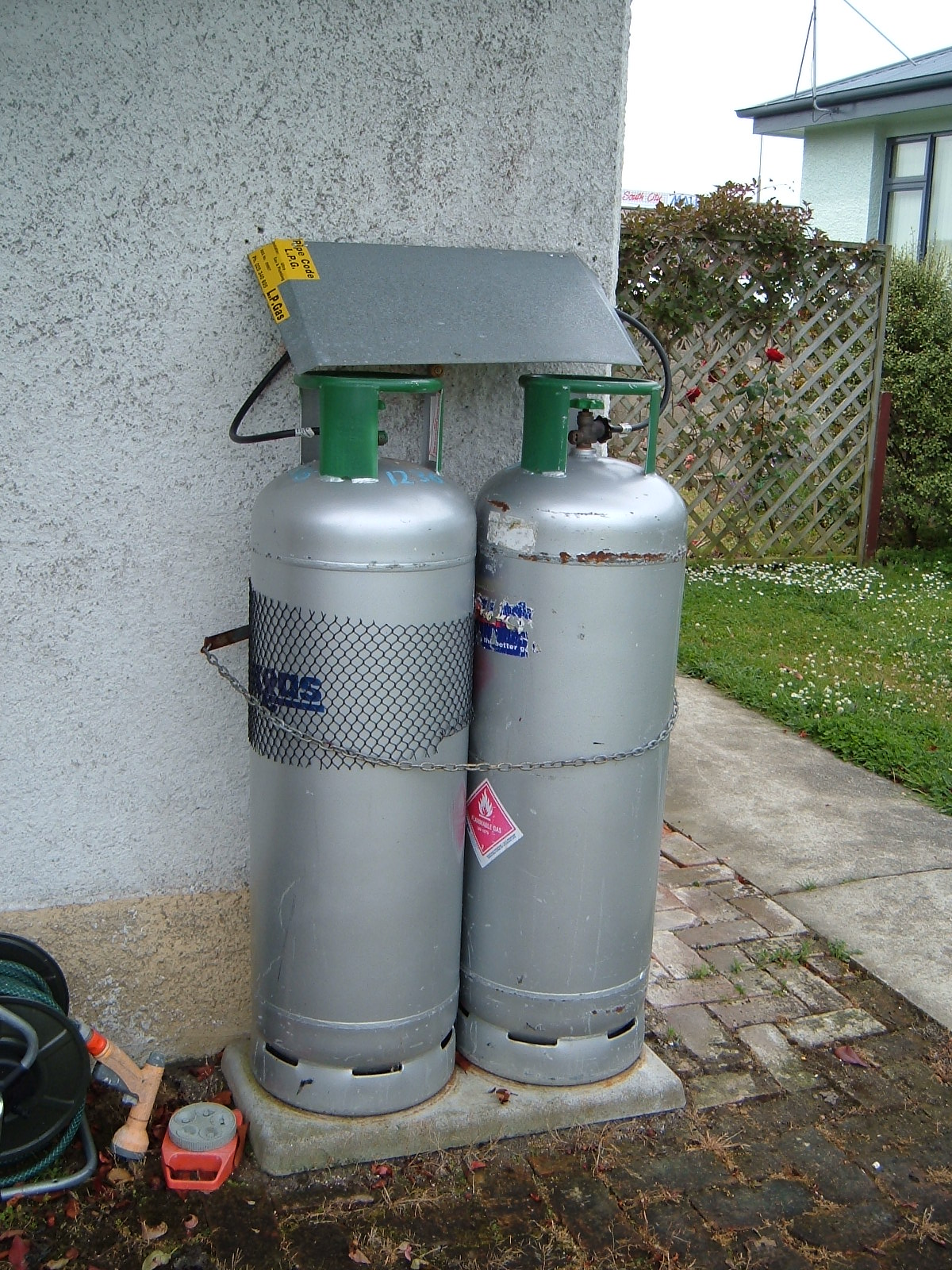
For more than a month and a half, LPG supply has fallen well short of demand, and the price has risen twice within a month. Writing on Ajker Patrika's op-ed page under the headline "The LPG crisis", Md. Shariful Islam cites the Bangladesh Energy Regulatory Commission (BERC) and BSS to note that prices went up again from 8 pm on 2 November, and argues that this cannot be called a normal process.
He observes that although the government price is Tk 2,060, consumers are paying Tk 300 to 500 more for a cylinder, and even after the latest increase LPG cannot be found at the set price. Citing a media report, he writes that the country has about 10 million LPG customers; about 80 percent of LPG is used for cooking and the rest in small and medium industries, and many village households as well as urban ones now cook with cylinders.
In his view, working people, students and job seekers, many of whom live on tuition fees or borrowed money, are hit hardest. Small and medium businesses cannot raise their prices overnight. With high inflation lasting more than four years, LPG prices feed directly into it, and because wages have not kept pace, families' real incomes are falling.
The writer recalls that the Iran war, which began in February, has unsettled the Middle East and multiplied international LPG prices and shipping costs, and that Bangladesh has the highest LPG prices in South Asia. Only 1 percent of the country's LPG comes from the public sector and 99 percent from private companies; seven large companies, he writes, control 86 percent of the market, and this near-monopoly is what makes it unstable. He adds that artificial shortages have been created in the past to cut supply.
He proposes five steps: establish government control over the LPG market, import enough LPG through the Bangladesh Petroleum Corporation (BPC), identify and prosecute those creating artificial shortages, ensure constant monitoring by the Directorate of National Consumer Rights Protection, and make everyone accountable at every level.
The views expressed are the writer's own.
Photo: Evil Monkey / Wikimedia Commons (CC BY 2.5)
Source: Ajker Patrika

Comments
(0)