
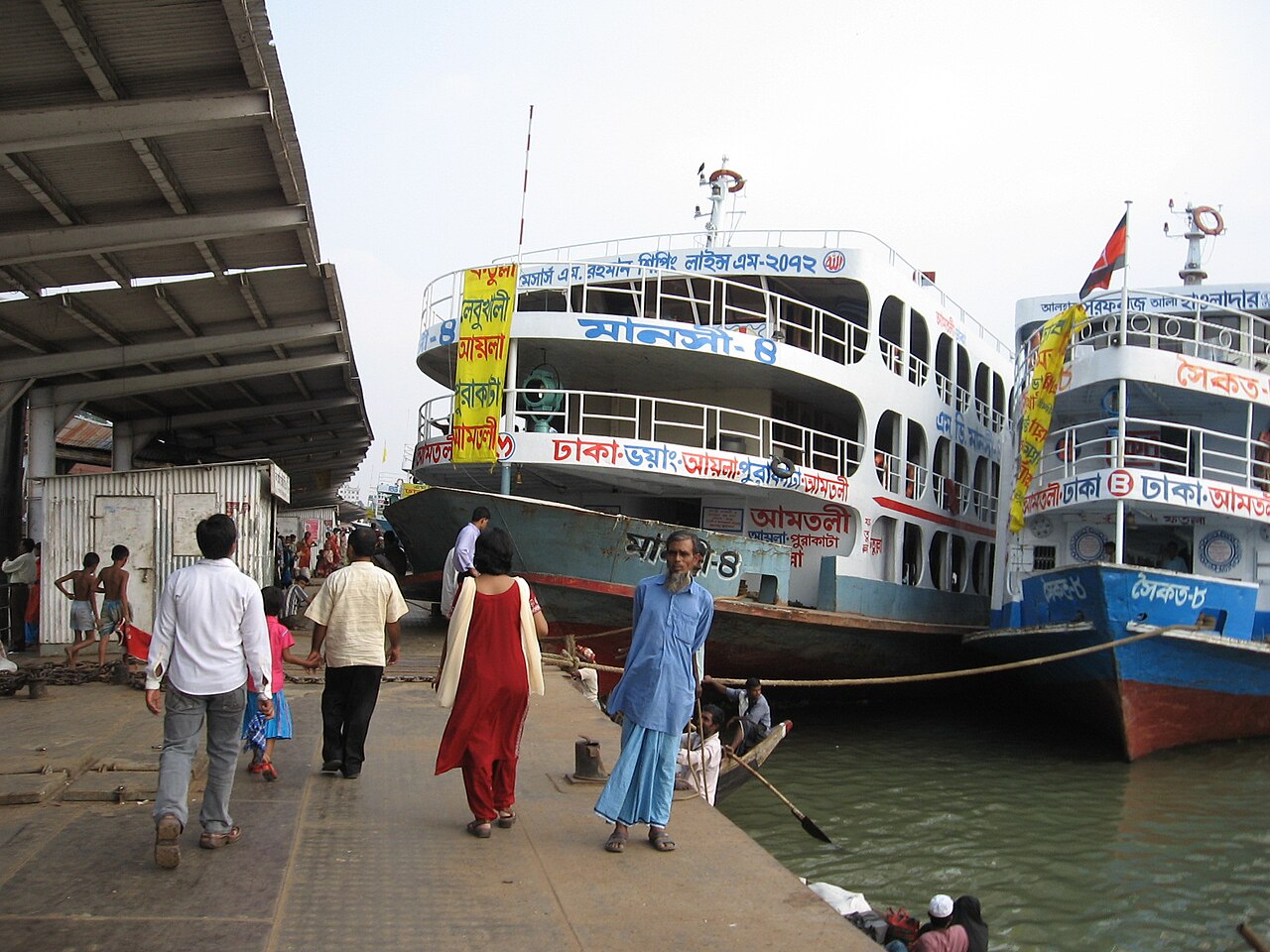
In a column in Ittefaq, Mostofa Kamal writes that silt and sand on riverbeds have destroyed the navigability of many rivers, hurting farming as well as transport, trade and fuel supply. Oil, diesel, octane and coal move by river, but large vessels now struggle to reach port, and partial unloading or costly alternative transport drives up costs.
By the writer's account, Bangladesh had 24,000 km of waterways before independence; silted up, they now total less than 4,000 km, of which only a quarter stays navigable in the dry season. He writes that news of the government's plan to dredge 8,000 km of waterways has given people hope.
According to the column, a project to expand the dredging capacity of the Bangladesh Inland Water Transport Authority (BIWTA) has an allocation of Tk 220 crore for 2026-27 (Tk 12 crore revenue, Tk 208 crore capital). Last year Tk 555.64 crore was released and Tk 350.19 crore spent. One aim is to dredge about 100 rivers. The writer argues that buying dredgers is not enough: regular dredging, disposal of the spoil, flow monitoring and maintenance must continue.
For farmers, the column's main proposal concerns the dredged material. Riverbeds hold not only sand but silt, mud and humus, the writer notes. Nutrients washed in by upstream erosion and decaying organic matter cause eutrophication, weeds spread and rivers choke. Spread on farmland, the same silt and mud improve water-holding capacity and curb erosion, the humus acts as organic fertiliser, less irrigation and tillage are needed and earthworms multiply.
River sand is also in demand for construction because its low mineral salt content binds well with cement, and silty sand is used to raise low land and widen roads. If riverside farmers were told about these uses, the writer argues, they could take part in dredging.
The views in the column are the writer's own.
Photo: P.K.Niyogi / Wikimedia Commons (public domain)
Source: Ittefaq

Comments
(0)