
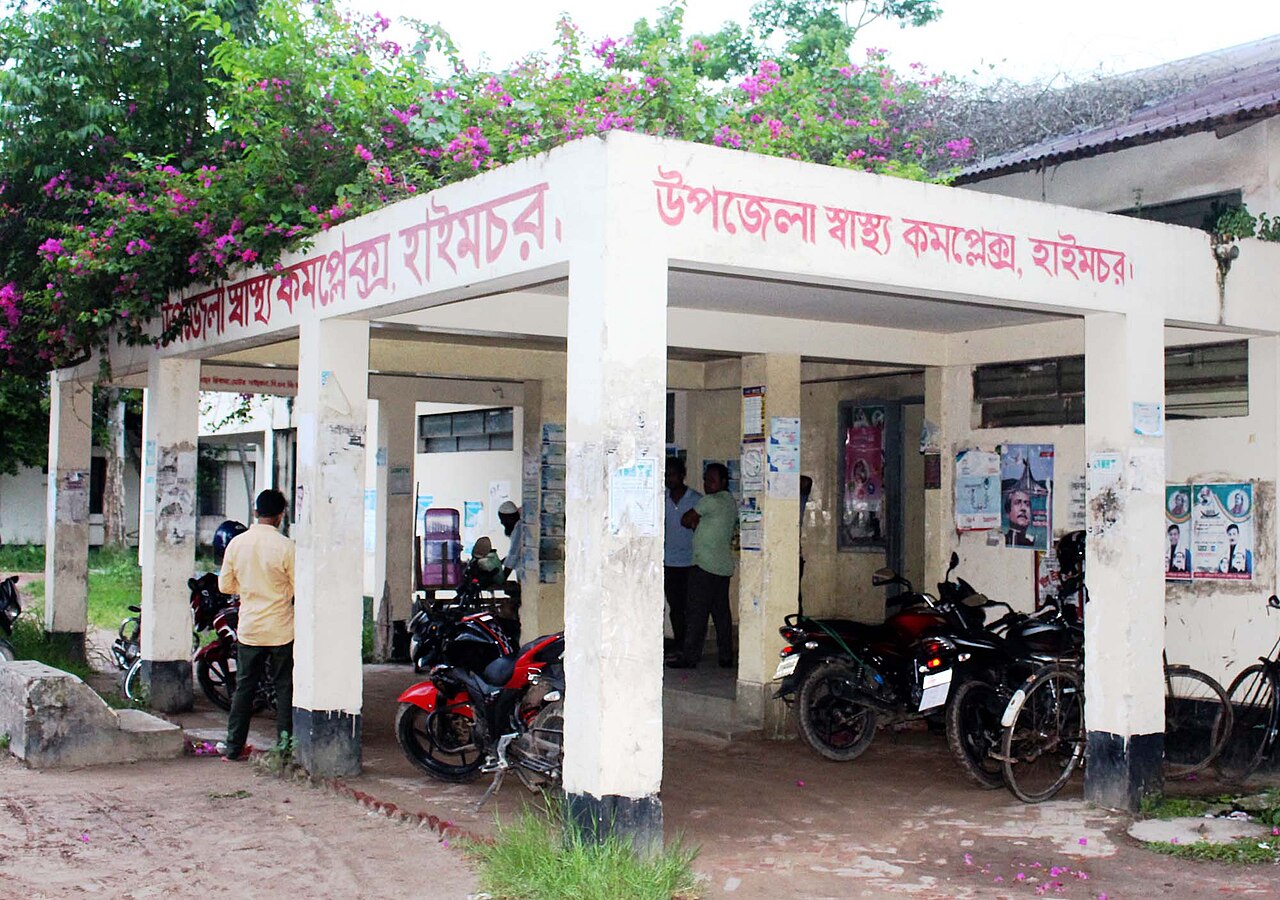
Everyone wants change in the health sector and the government talks of reform, so why is nothing visibly changing? That is the question asked by Dr Syed Abdul Hamid, professor at the Institute of Health Economics, University of Dhaka, and convenor of the Wellbeing First Initiative, in a column in Prothom Alo. His argument is that the job of change is being left to an institution itself caught in long-standing structural and bureaucratic tangles.
There are the health reform commission's recommendations, election pledges and expert advice, the writer notes, and everyone from the prime minister to ministry officials understands the need for change. But strengthening care at upazila level means changing the rules on recruiting and posting staff, decentralising financial powers and changing how care is funded, and many of those decisions sit with the public administration and finance ministries or the Planning Commission. No individual is to blame, he writes; the problem is the system.
He points to Thailand. In 2001 the then prime minister, Thaksin Shinawatra, made universal health coverage a top government priority and, with reform-minded experts, changed financing and the purchasing of services at the root. A 2002 law set up the National Health Security Office, which took charge of financing and strategic purchasing from outside the ministry's usual structure.
The writer makes several proposals: assign each reform a responsible institution, a deadline, money and expected results; give special powers, fast decisions and financial and administrative flexibility where needed, but with transparency, audit and accountability; and measure progress by the availability of doctors, nurses and medicines at upazila level, diagnostic facilities in public hospitals and the quality of care.
His closing argument is that no new reform commission or more meetings are needed, but a national health transformation programme under the prime minister's direct leadership, aimed at real change in people's care rather than administrative process. Changing the health sector, in his words, is the responsibility of the state, not of the health ministry alone.
The views are the writer's own.
Photo: DelwarHossain / Wikimedia Commons (CC BY-SA 4.0)
Source: Prothom Alo




Comments
(0)