
More than 100 large companies have pledged to advance regenerative agriculture across millions of acres by 2030, but acreage alone says little about whether the land is getting better, argue Stephen Wood, a senior scientist for agriculture and food systems at The Nature Conservancy, and Steve Rosenzweig, a principal scientist who leads regenerative agriculture research at General Mills, in a guest column for AgFunderNews. The views are the writers' own.
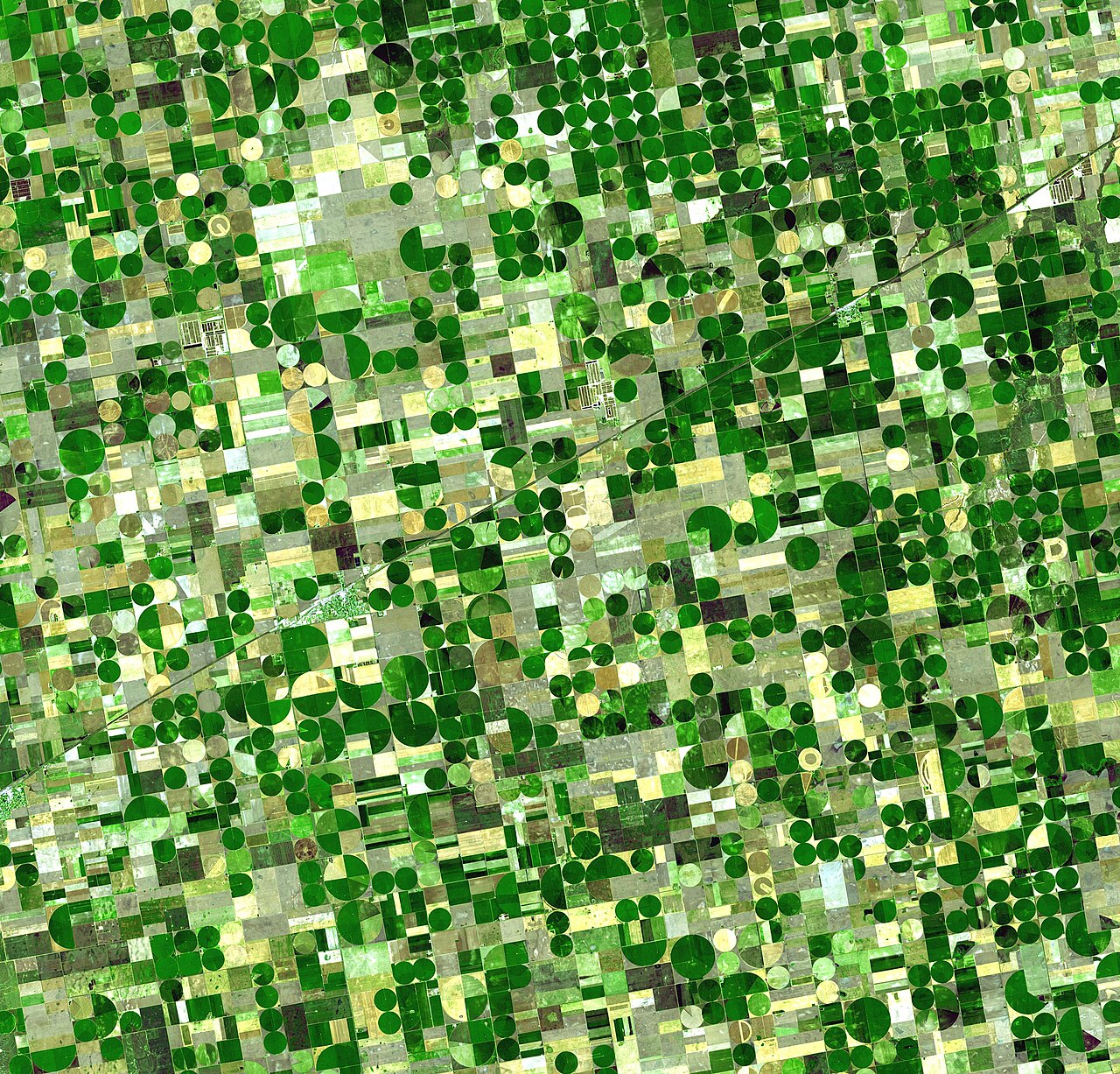
Their example is western Kansas, where General Mills buys wheat and where the Ogallala Aquifer is falling. There, they write, the question is not how to spread regenerative practices across one slice of the system but what it will take to bring the aquifer back to a more stable state. Elsewhere the defining problem differs: in the Upper Midwest it is nutrient runoff spoiling water quality.
Regenerative farming can deliver soil health, water, biodiversity and economic resilience, and that breadth is itself a trap, they argue. Programmes that treat every benefit as equally central cannot say what to measure or what success looks like, while funders that build around a single universal benefit or set of practices may miss what local farmers and other stakeholders need. Naming one defining challenge for a landscape gives everyone a shared target.
The authors describe how the two organisations adapted The Nature Conservancy's monitoring, evaluation and learning approach to General Mills' strategy. It starts with an explicit theory of change for a place and then tests its assumptions. In western Kansas that means asking more than how many acres are enrolled or how much water is saved: whether trusted groundwater information is changing decisions, whether finance is reducing producers' risk, whether markets reward crops that use less water, and which mix of governance, capital and technical support leads to lasting change.
Outcome tracking, through company metrics or schemes such as the Science Based Targets initiative, still matters for accountability, they write, but company-by-company reporting reveals little about shared problems that are defined at the level of a landscape, and outcomes in farming are shaped by weather and markets beyond any one programme.
Their conclusion for companies is to pair sustainability targets with investment in what they call learning infrastructure: the systems, partnerships and evaluation capacity to find out what works, where and why.
Photo: NASA / Wikimedia Commons (Public domain)
Source: AgFunderNews


Comments
(0)