
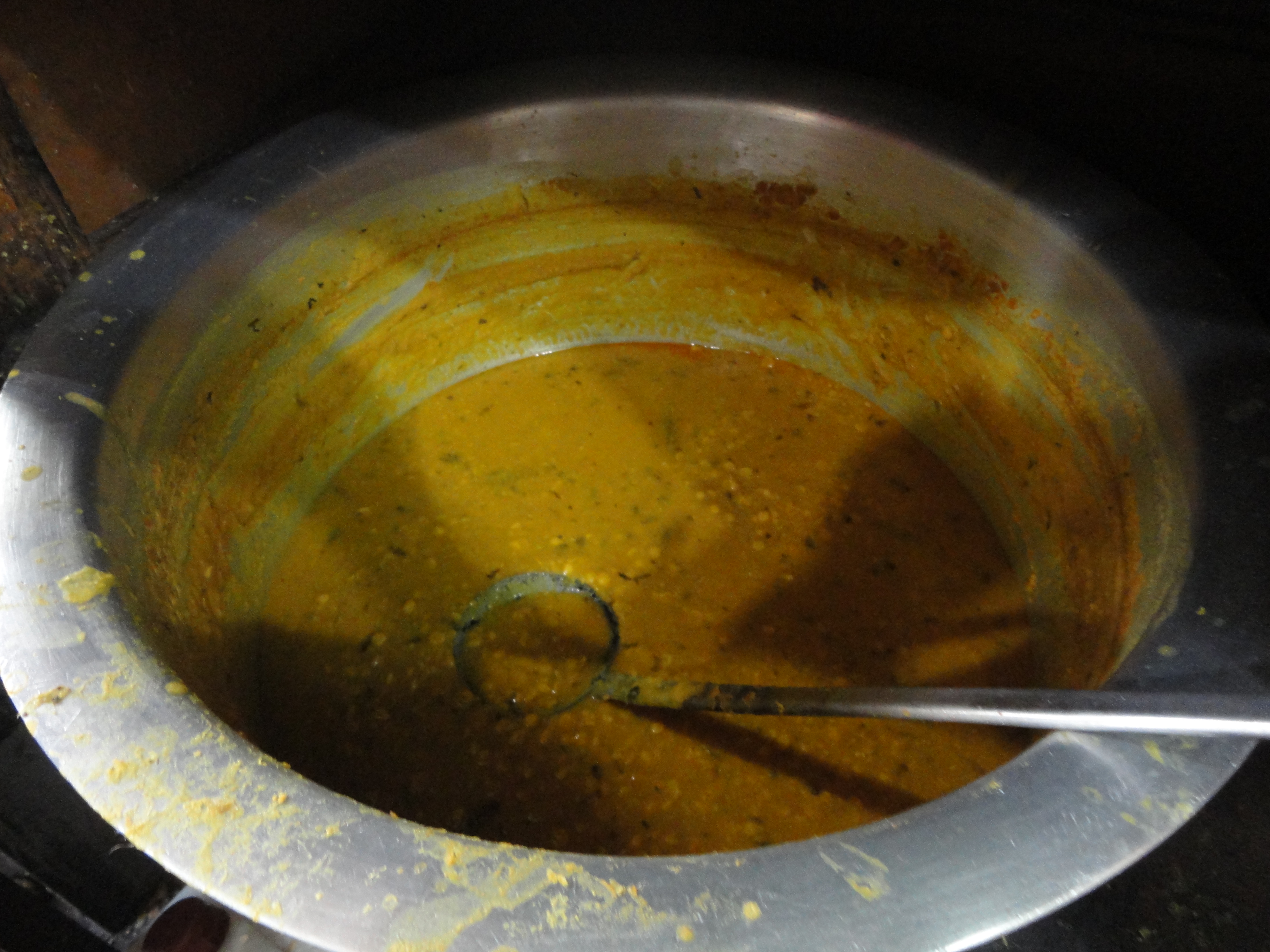
On 17 May 2026 the lifestyle desk of the Bangladeshi news site Jagonews24 published a recipe for thin masoor dal, the split red lentil, cooked with ridge gourd, the vegetable known in Bangladesh as jhinga or jhinge. The paper offered it as a light lunch for the hot season: a cup of lentils, two ridge gourds, a handful of everyday spices and a single tablespoon of oil, ready in a short time and served with hot rice.
Thin lentil dal with rice is one of the most ordinary and most important meals in the country. Banglapedia, the national encyclopedia of Bangladesh, calls lentil the most popular pulse crop and one of the main items in the daily diet of a vast majority of the people. A 2004 review by the Bangladesh Agricultural Research Institute (BARI) and the International Center for Agricultural Research in the Dry Areas (ICARDA) describes it as the number one pulse in consumption among about a dozen grown in Bangladesh, eaten as a soup called dal with rice. The recipe is set out below as Jagonews24 published it, followed by what research bodies, Bangladesh's food composition table and the UN Food and Agriculture Organization (FAO) say about its two main ingredients.
The recipe: ingredients and method
Jagonews24's recipe is written for one cup of lentils. The ingredients are:
- Masoor dal (split red lentils): 1 cup
- Ridge gourd: 2
- Chopped onion: 2 tablespoons
- Chopped tomato: 1, medium
- Chopped garlic: 1 teaspoon
- Green chillies: 3 to 4
- Turmeric powder: a little
- Salt: to taste
- Oil: 1 tablespoon
- Chopped coriander leaves: a little
The method, in the order the recipe gives it:
- Wash the lentils well, then boil them in a pressure cooker or a pot with salt, turmeric powder and as much water as needed.
- Meanwhile, peel the ridge gourd and cut it into small pieces.
- Heat the oil in a pan and fry the chopped garlic until it is light golden.
- Add the chopped onion and fry it until soft.
- When the onion is well fried, add the chopped tomato and cook it until it breaks down and blends with the spices.
- Add the boiled dal, the green chillies and the cut ridge gourd to this base.
- If needed, add a little hot water and simmer on a medium flame for 2 to 3 minutes so that the flavours blend.
- When the dal is as thick as you like, scatter the chopped coriander leaves on top just before taking it off the heat, and serve with hot rice.
The recipe ends with three tips:
- Ridge gourd cut into small pieces cooks quickly and blends well with the dal.
- Frying the ridge gourd lightly before it goes in improves the flavour.
- If you want the dal thinner, add more water at the very start of cooking.
Jagonews24 presented the dish as both tasty and nourishing, and pointed to the protein in masoor dal. The figures that Bangladesh's own food composition table gives for both ingredients are set out further below.
How the method compares with other Bengali dal recipes
The technique is the familiar one for a Bengali dal: the lentils are boiled first with turmeric and salt, and the flavour comes from aromatics fried separately in a little oil and then stirred in. A recipe that Bangla Tribune's lifestyle desk published on 26 February 2023, masoor dal with pui shak (Malabar spinach), follows the same pattern. Half a cup of lentils is boiled with a little turmeric; chopped onion and garlic are fried in mustard oil with a few dried chillies; the boiled dal goes into the pan with salt, and the separately cooked greens are added and simmered for about five minutes before the dish is served with hot rice.
Ridge gourd has long been paired with dal in Bangladeshi kitchens. A recipe for mung dal with ridge gourd (mugdale jhinga), which Prothom Alo printed on 2 August 2005 and which eBanglaLibrary later reproduced, used half a cup of mung dal and 250 grams of ridge gourd. There the dal is lightly roasted and boiled in six cups of water with onion, ginger, garlic, green chillies, salt, turmeric and a bay leaf; the peeled ridge gourd, cut into rounds, is cooked in the dal; and a baghar, or tempering, of cinnamon, ginger, garlic and onion fried brown in oil or ghee is poured over at the end. The 2026 Jagonews24 version uses red lentils instead of mung, leaves out the whole spices and the final tempering, and builds its base from garlic, onion and tomato instead.
Split red lentils suit a quick weekday dish. Lentils need anything from 10 to 40 minutes to cook depending on the type, and small varieties with the husk removed, such as the common red lentil, need the shortest time and, unlike most legumes, no soaking. Lentils without husks tend to break down into a thick purée as they cook, which is what gives dal its body. Even among Bangladeshi varieties the time differs: the BARI and ICARDA review recorded that the variety Uthfala takes 16 minutes to cook, Barimasur-4 about 17 minutes and Barimasur-3 21 minutes. Boiled lentils also swell: the Food Composition Table for Bangladesh applies a yield factor of 2.06 to boiled masoor dal, meaning the cooked weight is 2.06 times the dry weight.
What masoor dal is
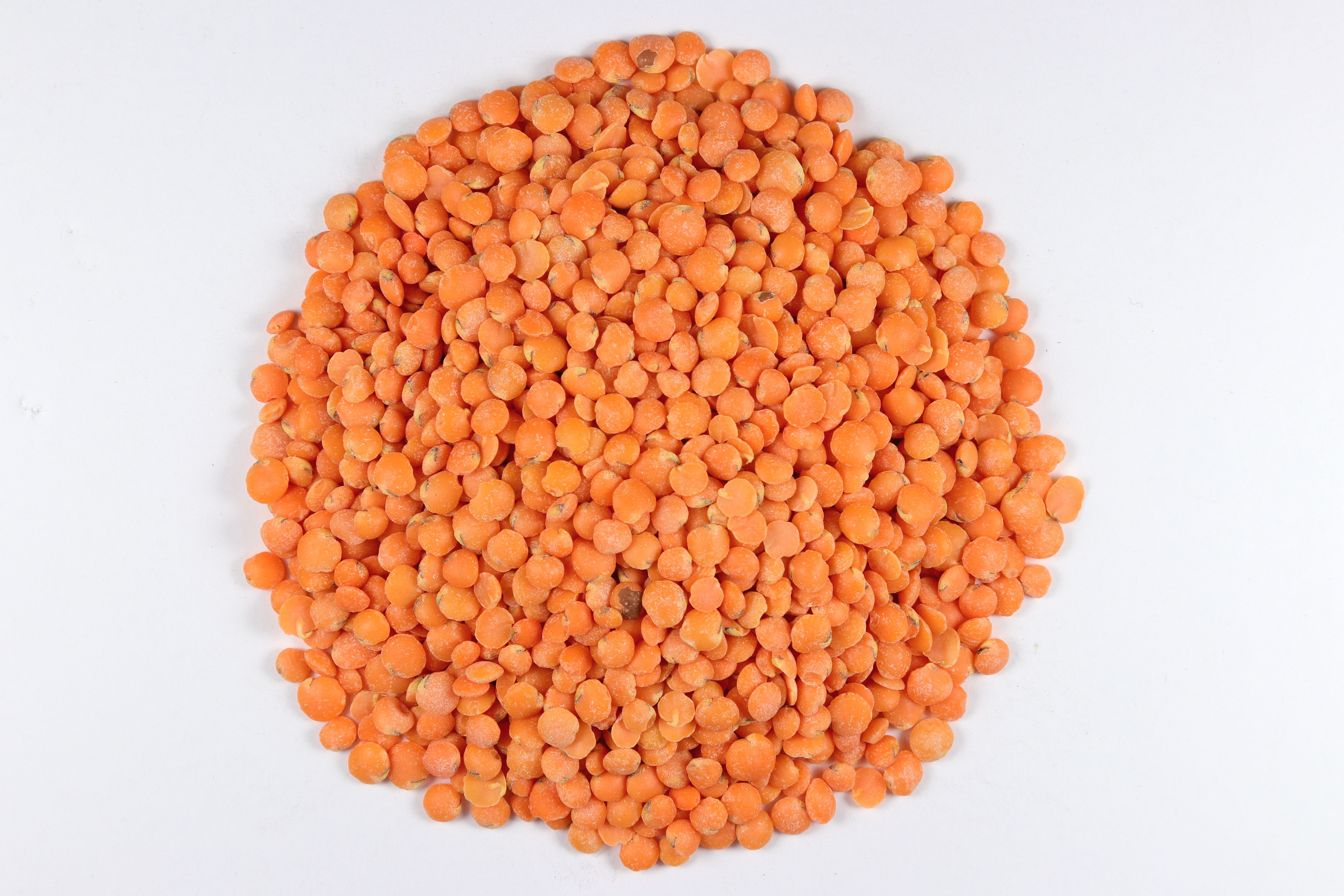
Masoor dal is the split seed of the lentil, Lens culinaris, a pulse crop of the legume family. Banglapedia notes that lentil has been cultivated since ancient times in Egypt, southern Europe and western Asia, and spread from there north into Europe and east to India and China. It grows on a wide range of soils, from light loams to black cotton soils, and tolerates moderate alkalinity. In Bangladesh it is grown as a winter crop: it cannot stand extreme cold or heat and has some drought tolerance, but it is highly susceptible to waterlogging.
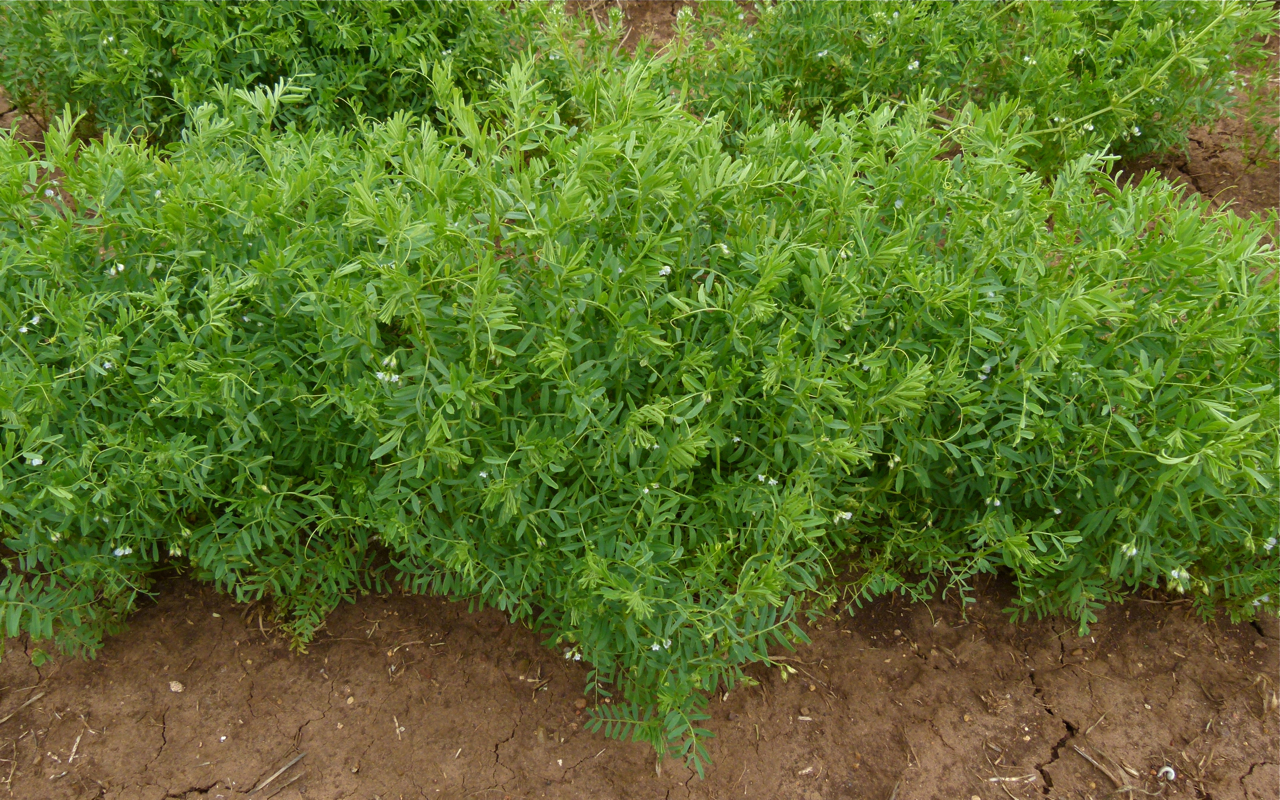
The plant is an erect, freely branched annual herb 25 to 40 cm tall with slender stems and pinnate leaves that end in a bristle or a tendril. Its small flowers, up to 8 mm long, produce short, flat pods holding one or two seeds. The seeds are lens-shaped; the English word lentil comes from the Latin lens, and optical lenses take their name from the same word because of that shape. The main diseases Banglapedia lists are rust, foot rot, wilt and Stemphylium blight.
Only the red-cotyledon type is eaten in Bangladesh, the BARI and ICARDA review notes. It is boiled into the soup-like dal and eaten with rice or roti, and cooked with rice or pounded wheat into khichuri; the straw is valued as animal feed. Most of the red lentils traded around the world are dehulled, split and polished, a step known in the Indian subcontinent as dal milling. The hull makes up only about 6 to 7 per cent of a lentil seed's weight, less than in most legumes, and the Bangladeshi varieties described in the review give between 74 and 78 per cent of their weight as dehulled dal by traditional methods.
Lentil farming in Bangladesh
A study published in PLOS ONE in January 2022 by researchers from ICARDA and Bangladesh Agricultural University describes lentil as the most important pulse crop in Bangladesh, used as human food, as animal feed and fodder and as a raw material for agro-processing. The area under lentil grew from 62,000 hectares in 1961 to 295,000 hectares in 1979. It then fell in the 1980s for two reasons: the spread of irrigation allowed dry-season boro rice to displace lentil, and the traditional varieties became vulnerable to two diseases, Stemphylium blight and rust, which began to spread in the early 1980s. The area fell to 90,000 hectares in 2013 before newer early, high-yielding varieties lifted it to 156,000 hectares in 2018, still far below the 1979 level but 71 per cent higher than in 2013.
Lentil is grown in winter, from November to March. It needs little tillage, few field operations and little or no irrigation, and it fixes 35 to 100 kg of atmospheric nitrogen per hectare a year, which is why researchers see it as a way to make the country's rice-based cropping more sustainable. Farmers grow it alone, mixed or intercropped with wheat, mustard, linseed and sugarcane. In low-lying fields that receive runoff, they relay it into transplanted rice, broadcasting the seed two to three weeks before the rice harvest so that it grows on the moisture left in the soil.
The main growing districts are greater Faridpur, Jashore, Kushtia, Pabna and Rajshahi. The BARI and ICARDA review describes the patterns: lentil follows jute on the medium-low lands of Faridpur, Pabna, Natore and Kushtia, where it is sown on clay-loam soil after the floodwater recedes; it follows broadcast aman rice on heavy clay in low-lying parts of Faridpur, Kushtia, Rajbari, Pabna and Natore; and it is intercropped with sugarcane across Jashore, Chuadanga, Meherpur, Kushtia, Jhenaidah, Natore, Pabna, Rajbari and Magura. Using Bangladesh Bureau of Statistics figures for 2002, the review put lentil second among the country's pulses in area (154,000 hectares) and production (116,000 tonnes) but first in consumer preference and total consumption.
BARI's research and the newer varieties
The Pulses Research Centre of BARI at Ishurdi in Pabna, in the middle of an intensive lentil-growing area, has worked on lentil since the late 1970s, and ICARDA began supplying it with breeding material in the early 1980s. Its first improved varieties came in the 1990s. Uthfala, selected from a Pabna landrace and released in 1991, yielded 1.3 to 1.5 tonnes per hectare. Barimasur-3, released in 1996, averaged 2 tonnes per hectare and resisted rust. Barimasur-4 was, at the time of the review, the only variety grown in Bangladesh with combined resistance to rust and Stemphylium blight. By the 2002-03 season, the review estimated, improved varieties had replaced local landraces on about 60,000 hectares, about 39,000 of them under Barimasur-4, and had out-yielded the local types by an average of about 60 per cent.
Between 1991 and 2015 BARI and the Bangladesh Institute of Nuclear Agriculture (BINA) released 15 improved lentil varieties, alone or with ICARDA, and in 2015 eight of them were grown on over 99 per cent of the national lentil area. The PLOS ONE study, based on 1,694 lentil plots in western Bangladesh, found that varieties released after 2006 gave 14.3 per cent (181.14 kg per hectare) higher yields and 17.23 per cent higher gross margins than older ones, but that they covered only 45 per cent of the lentil area.
Two releases show where the breeding has been heading. BARI Masur-8, released in 2015 from a line developed at ICARDA, matures in 115 to 120 days, has a yield potential of 1,973 kg per hectare, tolerates Stemphylium blight and root rot, and carries high levels of iron (74 mg per kg), zinc (61 mg per kg) and selenium (325 micrograms per kg) in its seed. It can be sown as late as the first week of December, after long-duration rice. BARI Masur-9, released in 2018, is the first extra-early lentil: it matures in under 93 days, short enough to fit into the fallow gap between monsoon aman rice and spring boro rice, with an average yield of 1,201 kg per hectare and iron and zinc levels of 73 and 61 mg per kg. Its developers wrote that the monsoon rice, lentil and spring rice pattern could be used on about 8 million hectares in Bangladesh, eastern India and eastern Nepal.
Imports and the gap between need and supply
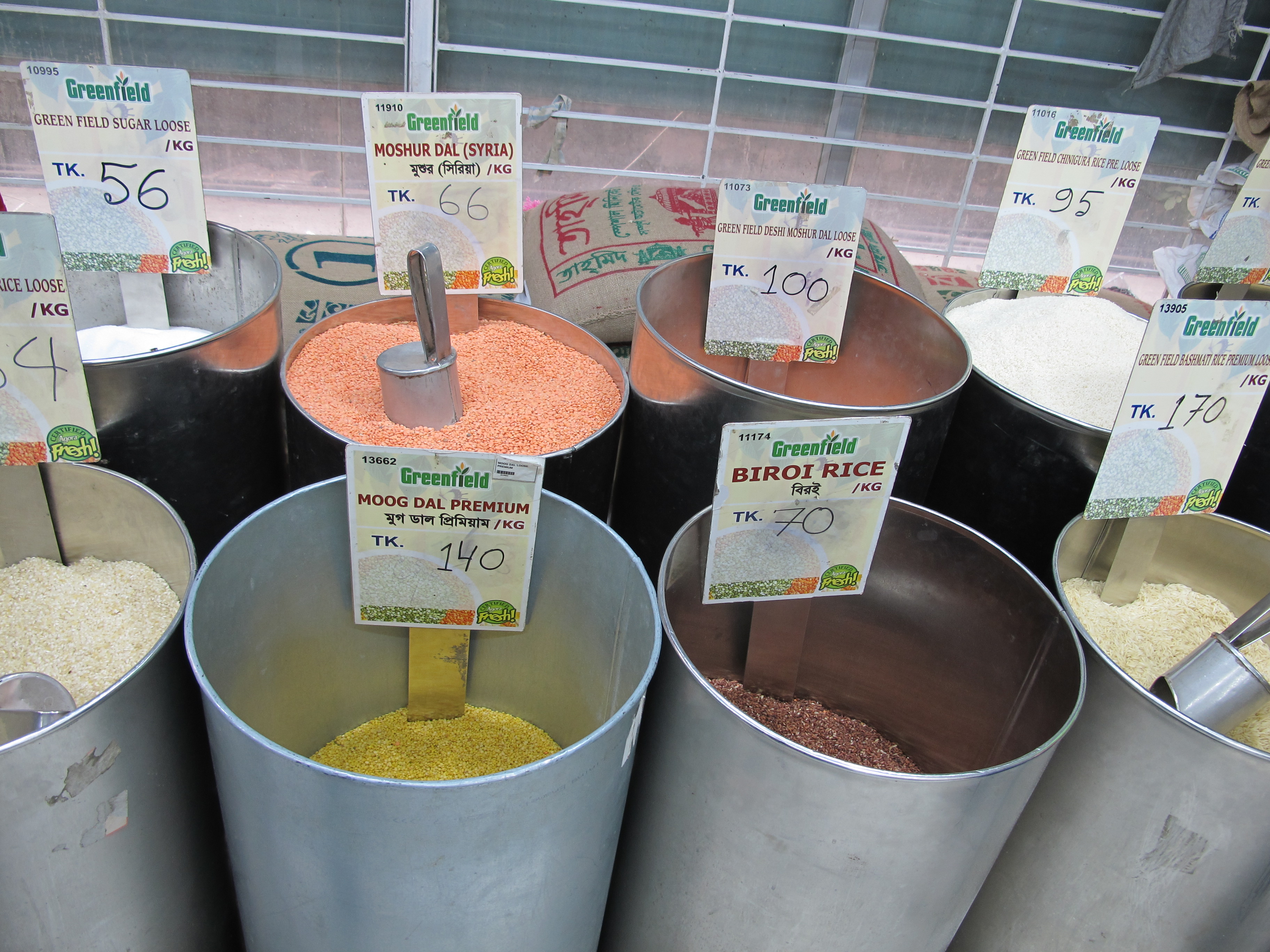
Bangladesh has long relied on imports for part of its dal. In the early 2000s, the BARI and ICARDA review recorded, domestic pulse production met less than half the country's needs. Some 140,000 tonnes of pulses were imported a year at a cost of about US$32.2 million, of which lentil, bought mostly from Australia, Nepal, Turkey and Canada, accounted for US$17.6 million, according to Ministry of Agriculture figures for 2002. The review also noted that Bangladeshis then ate about 12 grams of pulses per person a day, far below the 45 grams recommended by FAO and the World Health Organization.
Better yields at home have reduced that bill. The PLOS ONE study estimated that improved varieties added about 8,259 tonnes to domestic lentil supply and saved the country about US$7.14 million in hard currency, valued at the average price of US$865 per tonne that Bangladesh paid for imported lentils in 2015. The authors concluded that Bangladesh was not yet tapping the full potential of the newer varieties and could cut its dependence on imports further by spreading them.
The countries Bangladesh buys from are among the world's largest growers. According to FAO's statistics database, FAOSTAT, world production of dry lentils in 2023 was 7.07 million tonnes, led by Australia (1.84 million tonnes), Canada (1.67 million tonnes) and India (1.56 million tonnes), which together produced 72 per cent of the total, followed by Türkiye, the United States and Nepal.
Ridge gourd: the summer vegetable in the pot
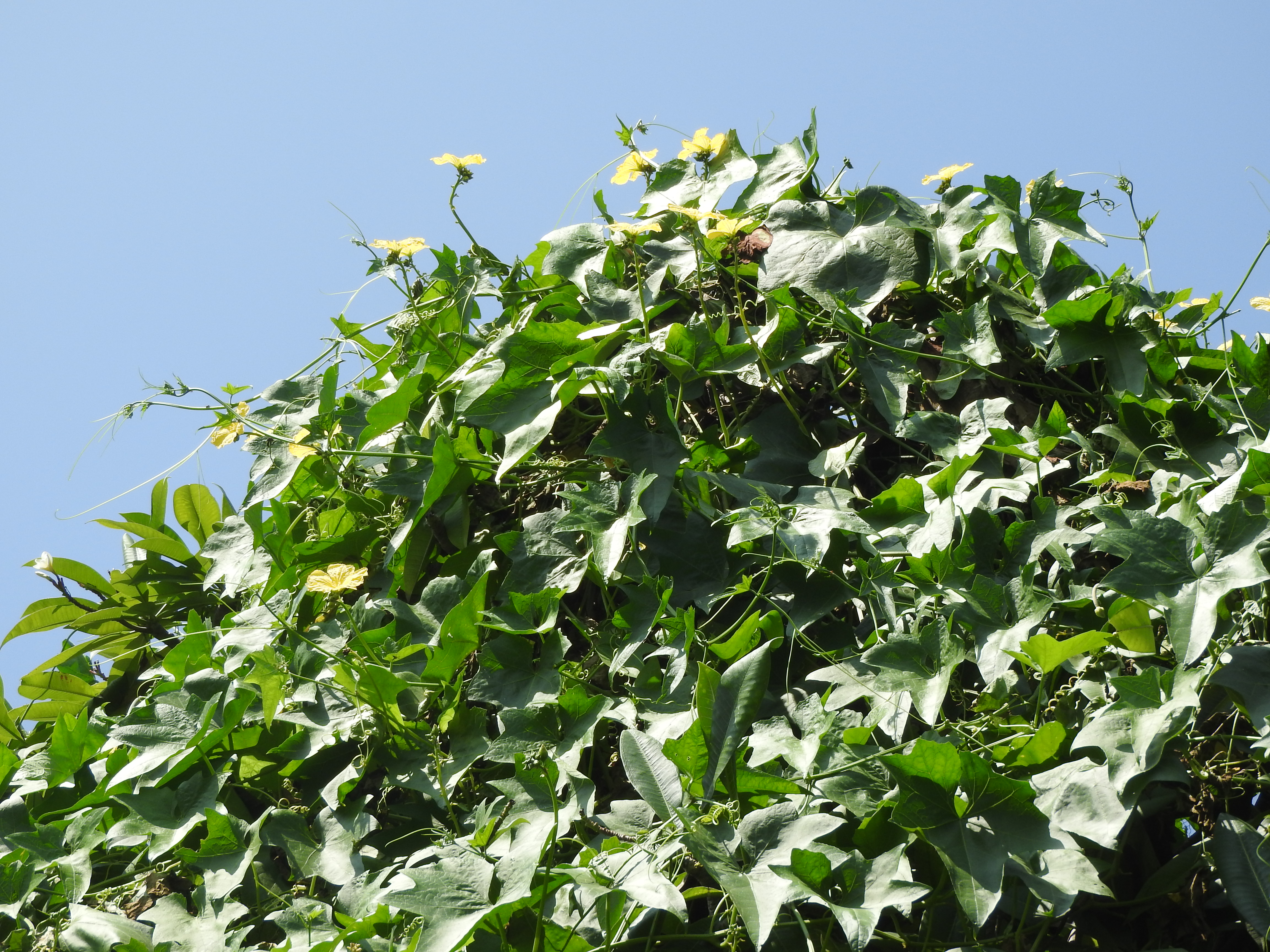
Ridge gourd, jhinga in Bangladesh, is Luffa acutangula, a climbing member of the gourd family, Cucurbitaceae. Banglapedia describes it as a minor cucurbit vegetable, native to South and South-East Asia and rich in carbohydrate and calcium. March to April is the best time to sow it, and its immature fruits are ready for harvest about six weeks later. The fruits are usually cooked or fried, and small ones are sometimes pickled. In rural Bangladesh, gourds of this family are largely grown in homestead gardens, on bamboo platforms or on thatched roofs.
The PROTA handbook of the Plant Resources of Tropical Africa programme (2004) says ridged gourd is believed to have originated in India, where wild types still occur, and has spread to all high-rainfall areas of the tropics. It is an annual vine with a sharply five-angled stem, lobed leaves and pale yellow flowers; the fruit is club-shaped, 15 to 50 cm long and sharply ten-ribbed, which gives the vegetable its English name. Only the immature fruits of the less bitter cultivars are eaten, cooked or fried. Left on the vine, the fruit dries into a fibrous sponge, although the smoother sponge gourd, Luffa aegyptiaca, known in Bangladesh as dhundul, is preferred for sponges because its fibre is easier to extract.
In cultivation, PROTA says, seeds soaked overnight emerge in four to seven days, and flowering starts six to ten weeks after sowing, with male flowers first and many more male than female flowers; bees, butterflies and moths pollinate them. Unlike many cucurbits, the crop does well in tropical lowlands. It prefers well-drained soil rich in organic matter with a pH of 6.5 to 7.5, does not tolerate frost and is normally trained on supports or trellises, because fruit lying on wet soil rots easily and heavy rain during flowering and fruiting causes fruit rot. Young fruits of 300 to 400 grams are picked 12 to 15 days after fruit set, every three days through the season; a plant may give 15 to 20 fruits, and landraces yield 10 to 15 tonnes per hectare. PROTA lists powdery and downy mildew and, in South-East Asia, fruit fly larvae, thrips, caterpillars, leaf miners and aphids among the crop's problems. Farmers who need advice on controlling them should consult their upazila agriculture officer. The immature fruits bruise easily and keep for two to three weeks at 12 to 16 degrees Celsius.
What the two ingredients contribute
The Food Composition Table for Bangladesh, published in June 2013 by the Institute of Nutrition and Food Science of the University of Dhaka with support from the Ministry of Food and FAO, gives these values per 100 grams of edible portion. Dried raw masoor dal provides 317 kcal, 27.7 g of protein, 0.8 g of fat, 43.2 g of available carbohydrate and 13.2 g of dietary fibre, with 5.1 mg of iron, 635 mg of potassium, 3.89 mg of zinc and 0.77 mg of thiamin (vitamin B1). Boiled without salt, 100 grams of masoor dal has 155 kcal, 13.6 g of protein, 6.5 g of fibre and 2.2 mg of iron, because the lentils have taken up water.
Raw ridge gourd is mostly water, 92.4 g in every 100 g, and light: 29 kcal, 1.3 g of protein, 0.4 g of fat, 4.6 g of carbohydrate and 1.1 g of fibre, with 21 mg of calcium, 1.3 mg of iron, 139 mg of potassium and 4.6 mg of vitamin C. The table treats 82 per cent of the vegetable as edible, the rest being peel and ends. The other ingredients in the pot add little energy but some vitamin C: per 100 grams, ripe tomato carries 12.3 mg, green chilli 102.3 mg and coriander leaves 105.7 mg, and coriander leaves also carry 1,590 micrograms of beta-carotene.
The table also explains why dal and rice belong together. Pulses contain two to three times more protein than most cereals, it says, but their protein is short of the amino acid methionine while rich in lysine, so it complements cereal protein: a mixture of the two is better in quality than either alone, and the most effective combination is about 8 parts cereal grain to 1 part pulse. It names masur dal as the most widely consumed pulse in Bangladesh and one of the commonest protein sources of the rural population. Cooking costs some vitamins: for a boiled pulse dish, the table's retention factors keep 60 per cent of the vitamin C and 50 per cent of the folate of the raw ingredients.
FAO's guidance on pulses, published for World Pulses Day in February 2019, makes similar points. Pulses are naturally low in fat and sodium, contain no cholesterol, are high in fibre, potassium and folate and are a good source of iron. A hundred grams of dry lentils contain about 25 grams of protein, which falls to around 8 per cent once the lentils absorb water in cooking, and their protein quality improves when they are combined with cereals in a meal, "for example, lentils with rice". To help the body absorb the iron in pulses, FAO suggests eating them with foods that contain vitamin C, such as lemon juice on a lentil curry. People with diabetes, kidney disease or another condition that calls for a special diet should ask a doctor or a qualified dietitian how much dal, salt and oil suits them.
Dal in Bangladesh's dietary guidelines and on the world stage
Bangladesh's dietary guidelines were first published in 2000 by the Bangladesh National Nutrition Council and revised in 2013 by the Bangladesh Institute of Research and Rehabilitation in Diabetes, Endocrine and Metabolic Disorders (BIRDEM), with technical support from FAO and the ministries of food and of health. They use a five-level food pyramid: rice, bread and other cereals at the base, to be eaten liberally; vegetables and fruits on the second level, also to be eaten liberally; then fish, meat, eggs and pulses, followed by milk and dairy products, all to be eaten in moderation; and fats, oils and sugar at the top, to be eaten sparingly. Among the guidelines' messages are to eat a variety of foods at each meal, to consume moderate amounts of oil and fat, to limit salt and use only iodized salt, and to practise right cooking and healthy eating.
Internationally, pulses have their own day. Building on the International Year of Pulses that FAO ran in 2016, the UN General Assembly designated 10 February as World Pulses Day. On 30 January 2026 FAO announced that year's theme, "Pulses of the world: from modesty to excellence". It explained that per capita consumption of pulses had declined in many countries, developed and developing, and that in several societies, particularly in cities, pulses were still associated with low-cost diets or rural cuisine; the theme was chosen to highlight the change from humble origins to global recognition for their flavours, nutritional value and culinary diversity.
The global celebration was held in Valladolid, Spain, on 10 February 2026, with government representatives, chefs and experts. Opening it, FAO Director-General Qu Dongyu said the theme "invites us to rethink the value of pulses and to recognize that they are versatile, nutrient-dense foods". Yurdi Yasmi, director of FAO's Plant Production and Protection Division, added that "pulses offer an affordable source of protein and essential nutrients while improving soil health and supporting more resilient agrifood systems".
Photo: Bellayet / Wikimedia Commons (CC BY-SA 3.0)
Sources: Jagonews24, Banglapedia, Food Composition Table for Bangladesh (Institute of Nutrition and Food Science, University of Dhaka, with FAO), BARI and ICARDA review "Lentil Improvement in Bangladesh" (APAARI, 2004), PLOS ONE, Journal of Plant Registrations (via ICARDA and CGIAR), PROTA4U, Food and Agriculture Organization of the United Nations (FAO), FAOSTAT via Wikipedia, Bangla Tribune, Prothom Alo via eBanglaLibrary


Comments
(0)