
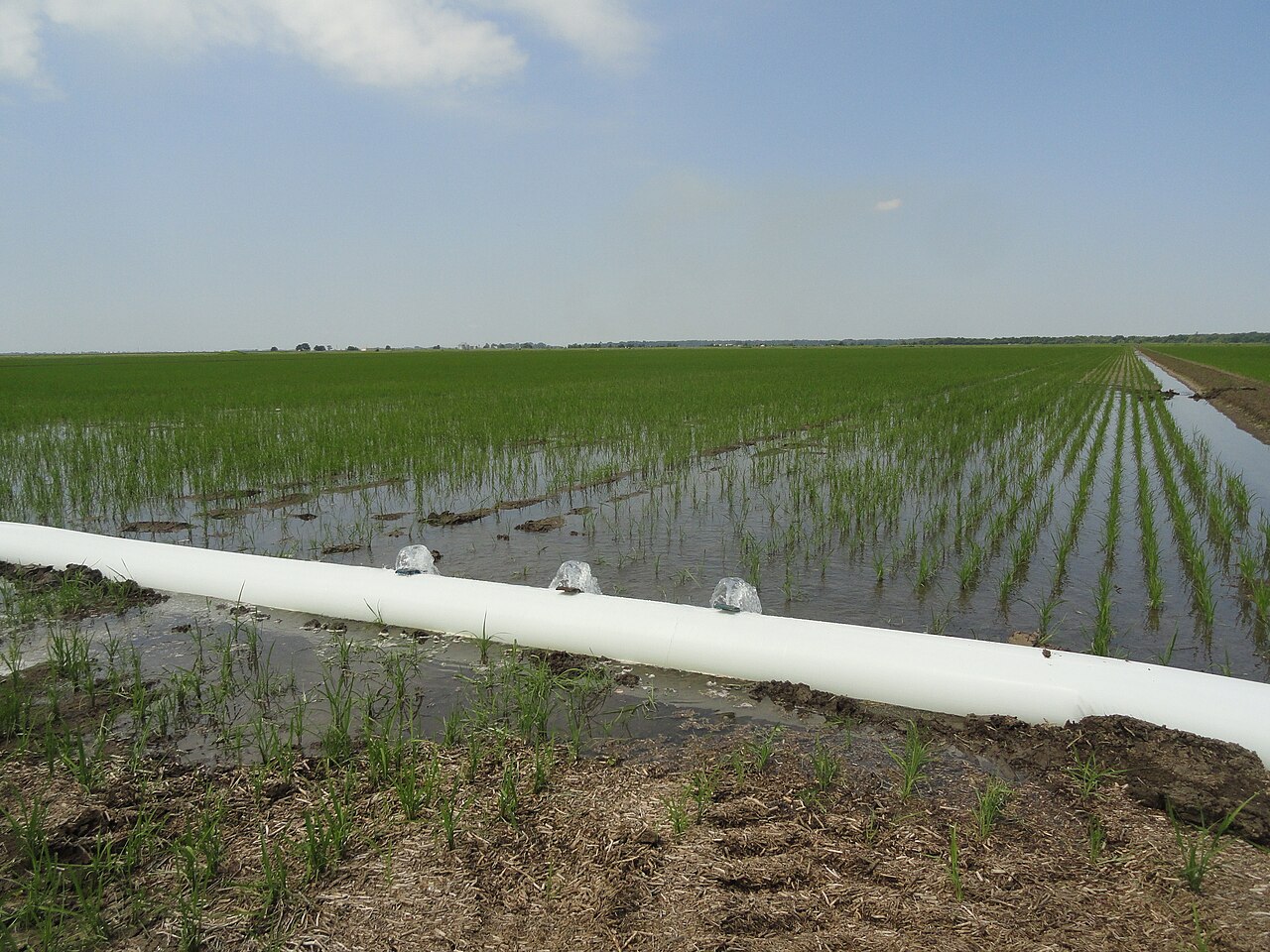
The International Rice Research Institute (IRRI) and the agricultural data company Regrow Ag have signed a five-year agreement to build better tools for measuring, reporting and verifying greenhouse gases from rice farming, and to find new ways of paying for climate-smart rice practices.
IRRI brings decades of field-measured emissions data, rice crop modelling and relationships with governments; Regrow brings DNDC, a process-based model that simulates the daily methane and nitrous oxide flows of flooded rice fields, and experience with large rice carbon offtake agreements.
Rice is grown on more than 400 million acres and accounts for roughly 10 percent of agricultural emissions; about 140 million farmers, most of them smallholders, depend on it. Practices such as alternate wetting and drying (AWD), biochar and targeted soil amendments can cut paddy emissions, and AWD also saves water and money.
But the science behind rice carbon credits and the rules that govern them do not yet match. Many projects use detailed field-level models to meet voluntary market standards, while national inventories use simpler methods. Under Article 6 of the Paris Agreement, a credit sold across borders requires the host government to subtract it from its own inventory, which works cleanly only when both were measured the same way. The partners aim to give inventories and projects consistent data so that rice carbon programmes can grow from pilots into schemes governments can authorise.
"Drying the soil cuts methane, but it can also increase nitrous oxide, so if you only model one gas you can easily overstate the climate benefit," said Bill Salas, Regrow's co-founder and chief science officer. IRRI director general Dr Yvonne Pinto said governments want to reward farmers for lower-emission rice but need outcomes they can report with confidence.
The two organisations will set research priorities and choose pilot countries in the coming months. For rice farmers already practising AWD to save irrigation water, credible measurement is what would let them be paid for the emissions they avoid as well.
Photo: U.S. Department of Agriculture / Wikimedia Commons (CC BY 2.0)
Source: IRRI
Comments
(0)