
Mealybugs have broken out in Aman rice fields across several upazilas of Kurigram in northern Bangladesh, and farmers say pesticide sprays have not brought the pest under control, raising fears for the harvest.
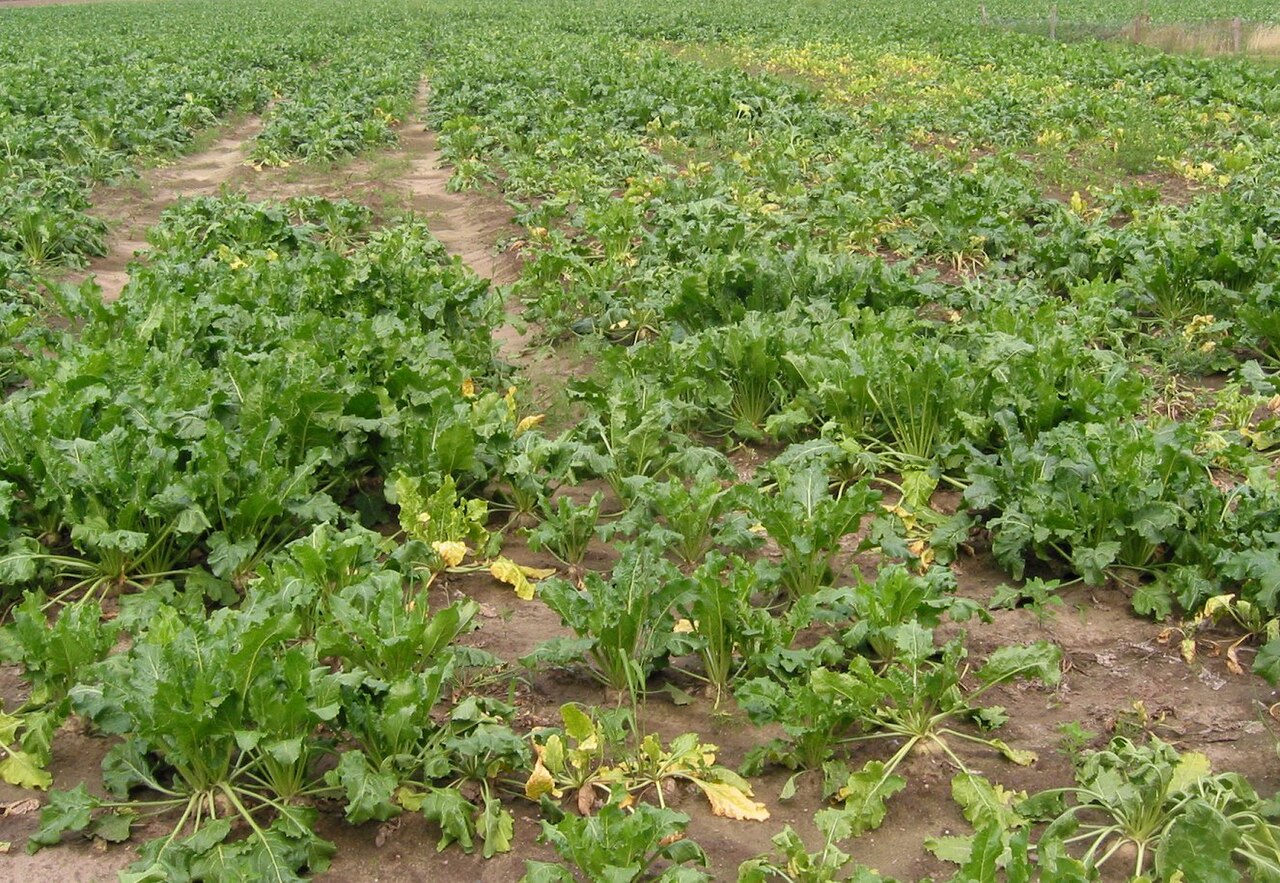
According to the district office of the Department of Agricultural Extension, Kurigram's Aman target this year was 121,000 hectares and 121,630 hectares were planted. On affected plants a white, cotton-like or waxy coating forms on the stems and leaf sheaths, with small insects underneath. Leaves turn yellow, growth stalls and some plants look scorched.
Akbar Ali, a farmer at Khaonardarga in Dhamshreni union of Ulipur, said he planted Aman on one acre and 75 decimals and that the pest has reached about 40 percent of it. In Rajarhat's Baidyer Bazar area, farmer Jagadish Chandra Sarkar said about 25 decimals of his paddy were hit; after several rounds of spraying failed, he cut the affected plants and fed them to his cattle.
Farmers say they have not seen the pest attack Aman like this in earlier years. Kaium Sarkar, who has sold pesticides locally for about 20 years, said only a plant or two showed the insects last year, while this season they have turned up in many fields.
Subal Chandra Sarkar, acting officer of the Rajarhat weather observatory, said climate change has shifted the usual character of the seasons, so the expected rain does not come on time and crops are hit by pests and diseases.
Abu Fattah Md Rowshan Kabir, deputy director of the extension department in Kurigram, said drought can increase mealybug attacks. Field staff are advising farmers and handing out leaflets, he said, and the pest can be controlled if pesticide is applied at the right time on officers' advice. For affected growers, that means checking with the upazila agriculture office before adding more sprays on their own.
The report is by Krishi Shomoy's Kurigram correspondent.
Source: Krishi Shomoy

Comments
(0)