
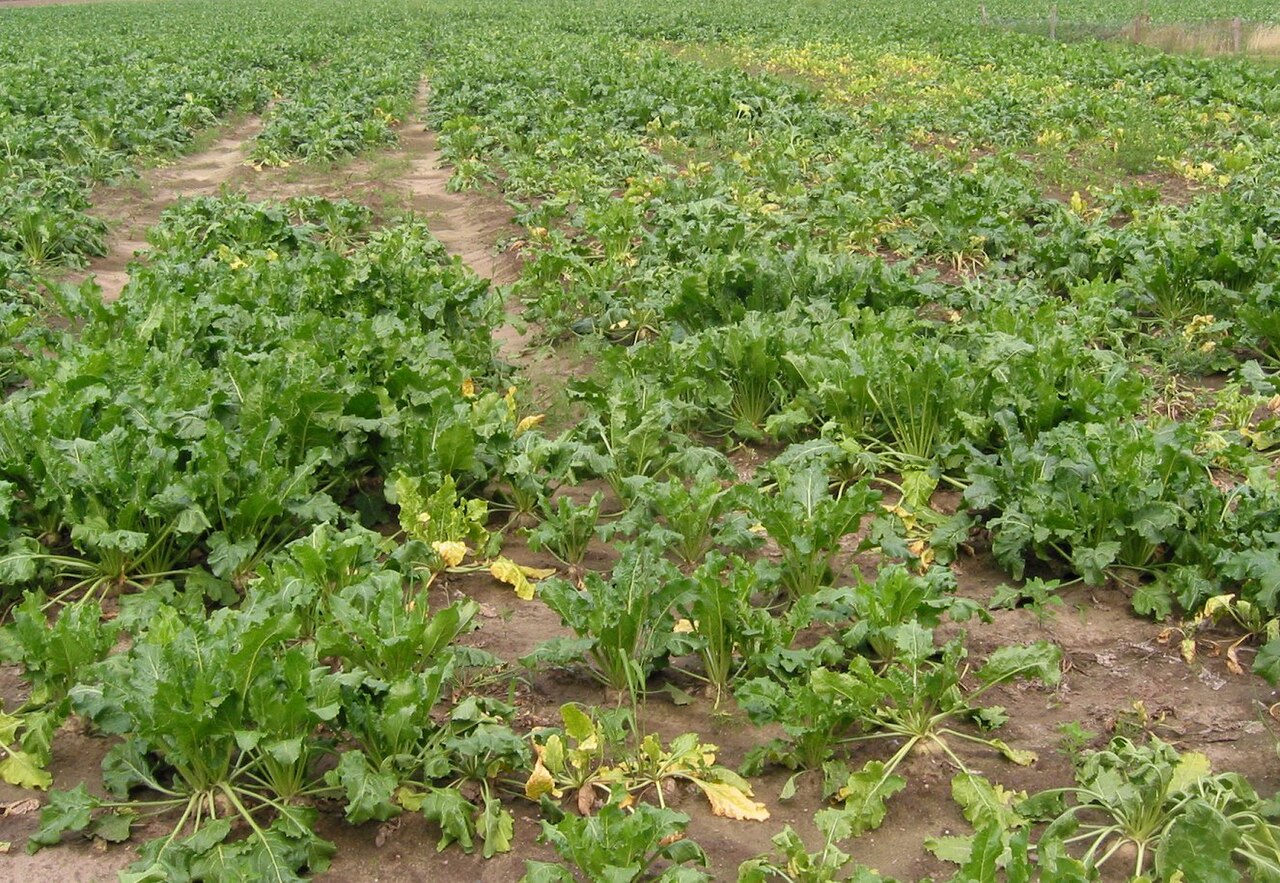
As farm machinery grows larger and heavier, soil compaction is becoming a bigger risk, a guide on FarmingPortal warns, calling it a "silent thief" whose damage can go unnoticed for years while it steadily cuts productivity. Compacted soil has less pore space and resists root growth; air, water and roots move with difficulty, roots cannot reach water and nutrients, water soaks in and drains slowly, and biological activity declines.
The guide separates topsoil from subsoil compaction. Near the surface, tillage can restore porosity on sandy soils within a season, though clay soils take longer. Compaction below normal tillage depth is far more persistent and barely helped by freezing, thawing, wetting or drying. In one study, soil compacted four times with 10-ton axle loads lost an average of 15 percent of yield in the first year and was still about 3 percent below uncompacted ground ten years later, mainly because of subsoil damage.
Studies cited in the guide found that a single pass of trucks with 10-ton axle loads and high tyre pressure cut corn yields by as much as 27 percent in a dry season and 14 percent in a wet one, since restricted roots cannot reach deeper moisture when the surface is dry. Wider tyres at lower pressure nearly halved the loss.
Tillage itself can cause the problem: ploughs, chisels, discs or vertical-tillage tools run at the same depth year after year form a dense plough pan that limits rooting. No-till soils carry weight better, but once compacted they recover more slowly. Compaction can cut earthworm numbers by as much as 95 percent in some studies, slows drainage so that waterlogged soil loses nitrogen, leaves liquid manure lying on the surface to lose ammonia, and limits uptake of phosphorus and potassium.
The practical advice is prevention: reduce axle loads where possible, use wider tyres or tracks at lower pressure, keep off wet soil, vary tillage depth, and build biological activity with cover crops and less disturbance.
Photo: Rasbak / Wikimedia Commons (CC BY-SA 3.0)
Source: FarmingPortal


Comments
(0)