
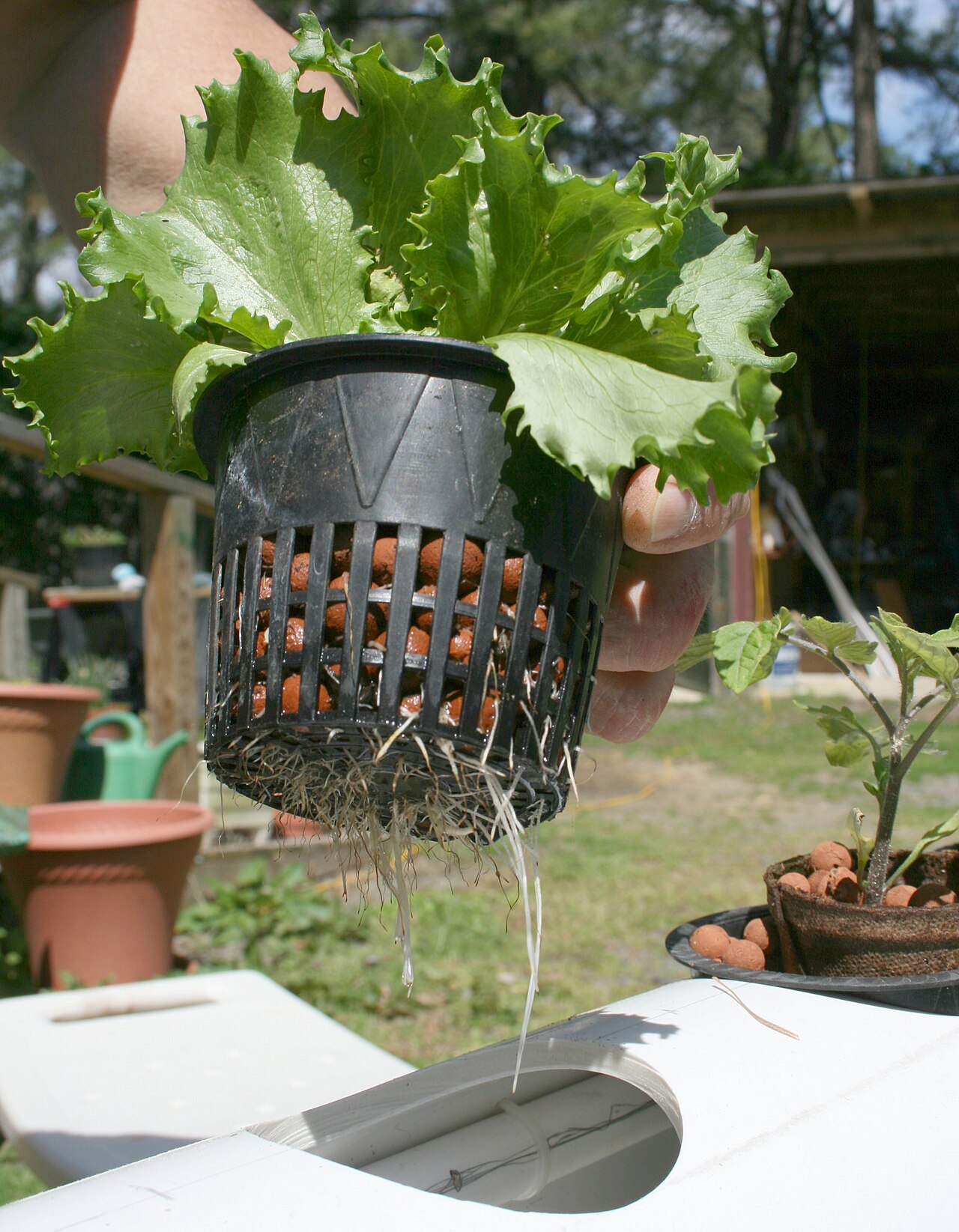
The Regina Food Bank in Saskatchewan, Canada, has opened the city's first modular indoor farm, a hydroponic unit that grows leafy greens year-round, including through the province's harsh winters.
The 40-foot unit, made by the Canadian company Growcer, takes up roughly the space of two parking spots. It grows spinach, romaine lettuce and bok choy in water rather than soil, using less water than outdoor farming and without depending on the weather. It is expected to yield about 800 heads of lettuce a week.
Farm Credit Canada (FCC) contributed $250,000. "Food security is strongest when communities have the tools to shape solutions around the people they serve," said FCC President and CEO Justine Hendricks.
Fresh produce is the hardest thing for a food bank to secure, especially in winter. "Most of the food donated to us is non-perishable, and we can only rescue a portion of the fresh produce that comes in," said Mary Weimer, the food bank's president and CEO. The greens will go out through its Community Food Hub, food hampers and school food programme.
Demand is rising: the food bank recorded 237,707 visits in 2025-26, nearly 5% more than the year before. The unit is the first part of a planned "Farmplex"; with three more modular farms, the food bank expects to grow enough greens for its roughly 17,000 monthly clients and have a surplus.
Growcer CEO Corey Ellis said food banks are among the largest buyers of food, and the project turns part of that buying into local production.
Photo: Ildar Sagdejev (Specious) / Wikimedia Commons (CC BY-SA 4.0)
Source: Farms.com
Comments
(0)