
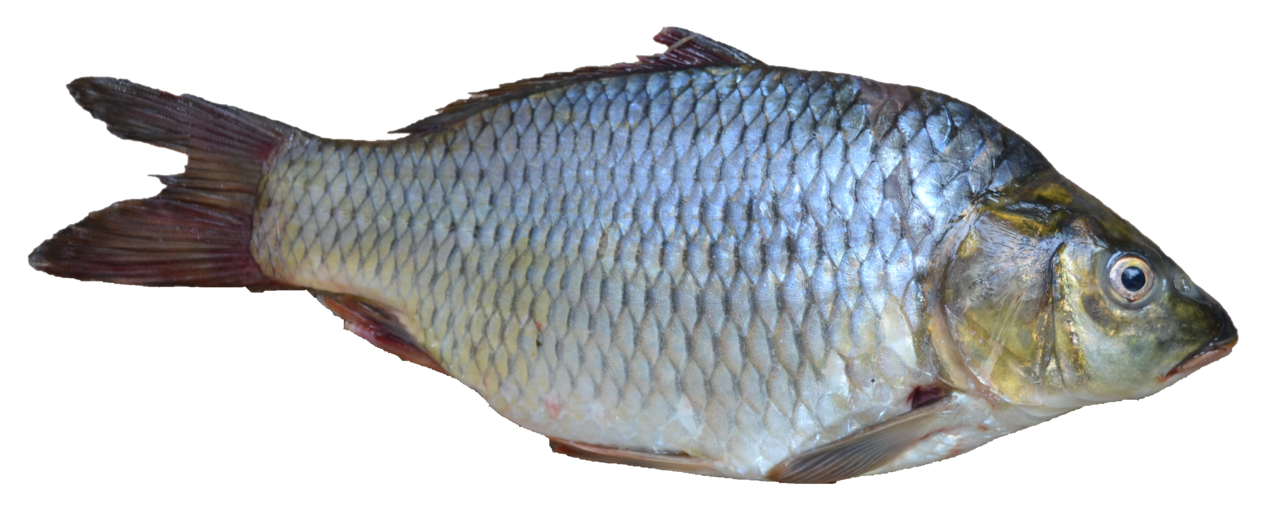
The ICAR-Central Institute of Fisheries Education (CIFE) in Mumbai has developed a complete package for producing seed of the olive barb, Puntius sarana, a small indigenous freshwater fish, covering captive broodstock development, induced breeding and indoor larval rearing.
In captivity the fish matured at about one year old, weighing 14-18 g. Males and females were mature from May to August, with peak spawning in July. In the first week of July 2026 the team selected females averaging 16 g and running males averaging 15 g, kept them at two males to one female and gave them a standard dose of inducing hormone (100 µl for females, 50 µl for males). They spawned 12-14 hours later.
Each female produced an estimated 2,500-3,200 eggs, which were transparent and sticky. Larvae hatched after 16 hours at 28°C, measuring 2.5-2.7 mm. They were fed Daphnia for 30 days in 250-litre tanks, weaned onto a 500-micron micro-particulate feed from day 25, and the fry were then raised for 60 days in 500-litre nursery tanks. Each female yielded about 150-250 fry.
The work was funded by India's National Fisheries Development Board. A reliable source of hatchery seed is the first step to farming a species rather than relying on wild catch, and olive barb is also a familiar food fish in Bangladesh, where it is known as sarputi.
Photo: Viswaprabha / Wikimedia Commons (CC BY-SA 3.0)
Source: ICAR
Comments
(0)