
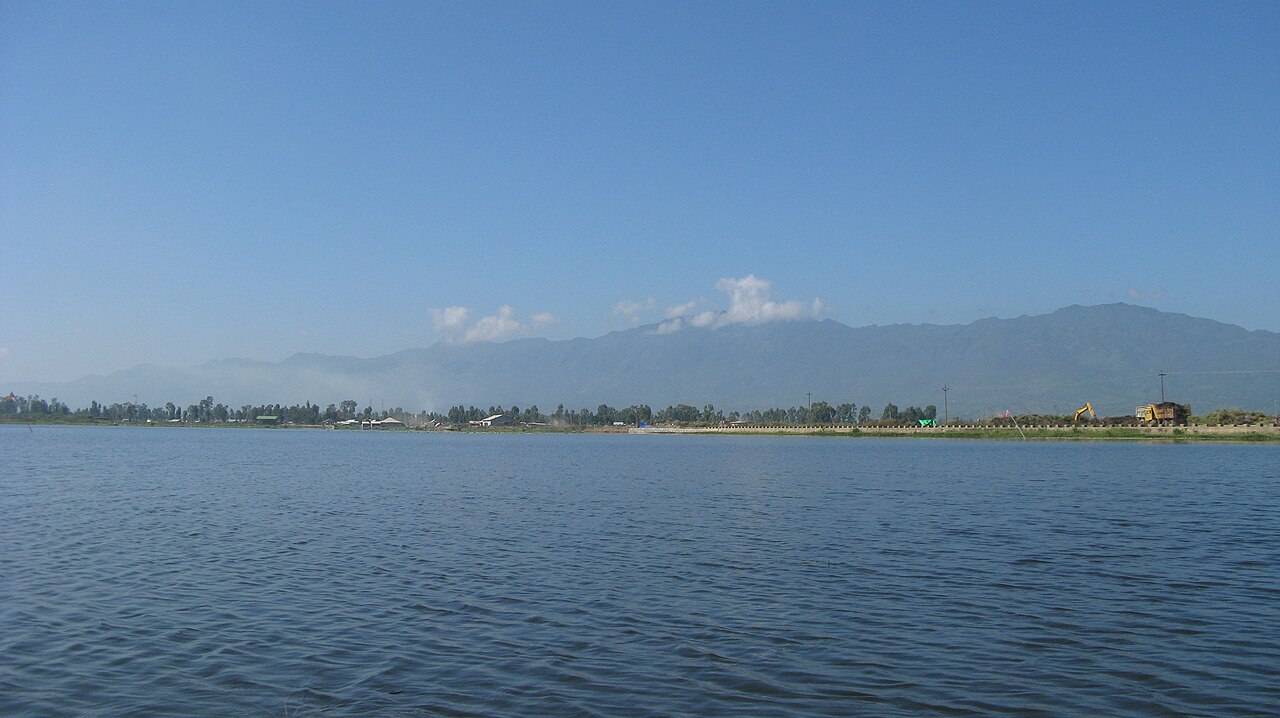
Northeast India has some of the richest fresh waters in the country but still cannot meet its own demand for fish, Tarun Shridhar writes in an opinion column for Krishi Jagran. The views are the writer's own.
He sets out the numbers: 42,691 km of rivers and canals, more than 1.83 lakh hectares of wetlands, nearly 45% of all freshwater fish species recorded in India and over 250 ornamental species found in the region. Fish production has been growing by 5.38% a year to close to 7 lakh tonnes, yet the eight states import roughly 50,000 to 90,000 tonnes a year from Andhra Pradesh, West Bengal and Bangladesh.
The weakest link, in his account, is the cold chain. Only 34 cold storage units have been approved across the eight states under the Pradhan Mantri Matsya Sampada Yojana (PMMSY), so a Tripura farmer harvesting freshwater prawn may be 80 to 100 km from cold storage on a hill road, and a third of the catch can spoil before it reaches a wholesale market.
Around 5,000 farmers in the region rear ornamental fish, many in backyard tanks in Arunachal Pradesh and Nagaland, and most sell at a fraction of the international price to middlemen, he writes. India's share of the global ornamental fish trade is below 1%. He singles out the Barca snakehead (Channa barca) of Assam and Arunachal Pradesh, a pair of which can fetch a couple of lakh rupees in an overseas aquarium shop.
He argues that proven methods are barely used: cage culture in rivers yielding 10 to 15 kg of fish per cubic metre, pen culture in floodplains producing 7 to 8 tonnes per hectare per cycle in trials in Assam and Manipur, and paddy-cum-fish farming as practised in Meghalaya's Ri-Bhoi district, for which more than 27,000 hectares in the region are suitable. Epizootic Ulcerative Syndrome can wipe out a farmer's whole stock in winter, and extension services are thinly staffed.
Agartala is about 200 km from Chittagong port in Bangladesh, which the column presents as a route for trout, mahseer, prawn and ornamental fish to markets in Japan, South Korea, Thailand and the UAE, provided roads, cold chain and certification are in place. He also cites the Aquaex Northeast 2026 expo held in Guwahati on 12 and 13 June as a meeting point for farmers, suppliers and lenders.
His list of what must follow: fish farmer producer organisations made operational, cold storage built in districts rather than state capitals, transparent long-term leases for rivers and reservoirs, and certified fish seed across all eight states.
Photo: ch_15march / Wikimedia Commons (CC BY 2.0)
Source: Krishi Jagran

Comments
(0)