
The University of Dhaka has decided to sign a memorandum of understanding with Ehime University in Japan to strengthen joint research in marine science, environmental monitoring and public health. The university's public relations office says the agreement is expected to be signed soon under Vice-Chancellor Professor ABM Obaidul Islam.
From 6 to 8 October, Ehime University held a core-to-core symposium on a One Health approach to managing chemical risks, supported by the Japan Society for the Promotion of Science and organised by its Center for Marine Environmental Studies (CMES). Researchers from Bangladesh, Japan, the Philippines, Thailand, Malaysia, Indonesia, Vietnam and Mozambique took part. The focus was on reducing the harm to the environment and ecosystems from chemicals used in medicine, agriculture, aquaculture and livestock.
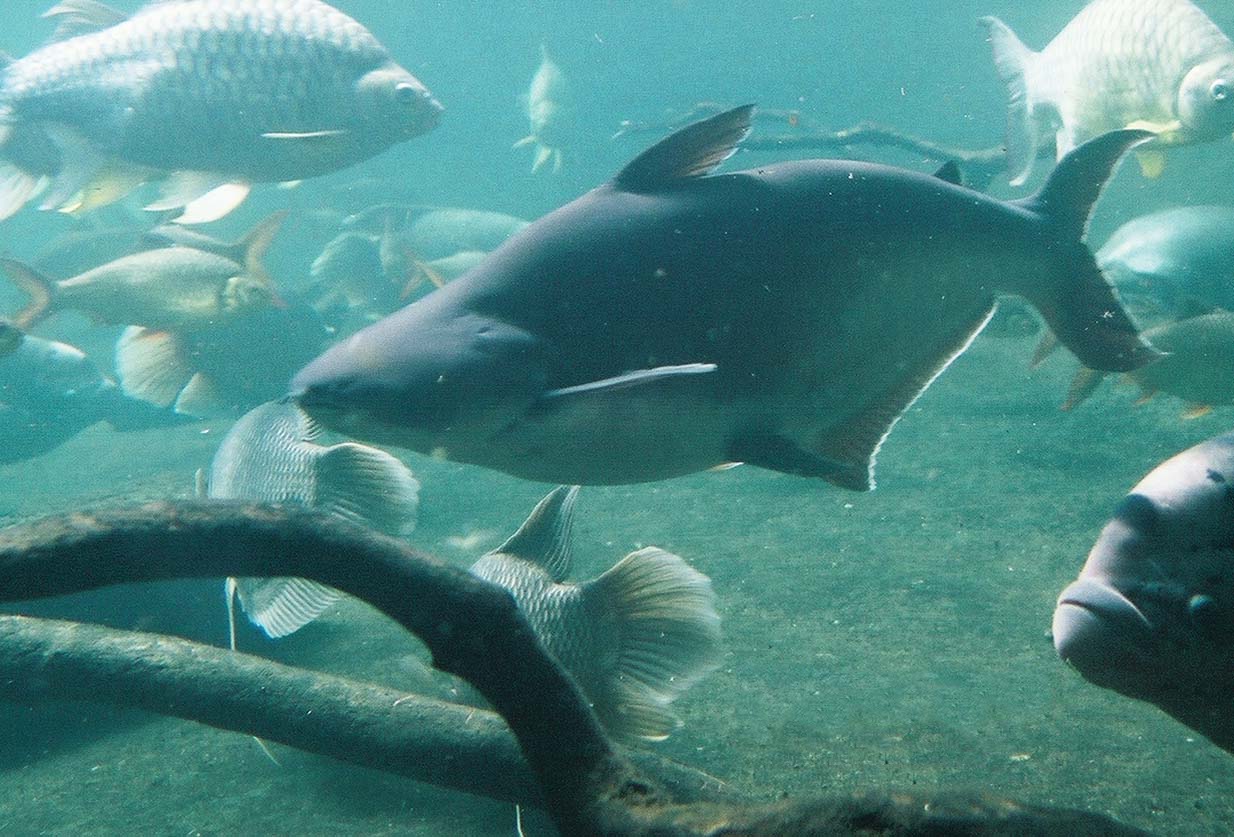
Dhaka University's six-member delegation was led by Pro-Vice-Chancellor (Academic) Professor Abdus Salam, who spoke on Bangladesh's air quality, its sources and its effects on health. Professor Mohammad Mamun Chowdhury, chair of the fisheries department, presented research on how selenium and zinc nanoparticles in feed affect the growth of pangas catfish. Professor Anwar Hossain of the same department spoke on antibiotic pollution in the country's waters, antimicrobial resistance and ways to reduce the risk.
Professor Md Humayun Kabir, dean of earth and environmental sciences, presented a poster on fire risk from chemical warehouses in Dhaka South City. Dr KM Azam Chowdhury, associate professor of oceanography and director of the International Centre for Ocean Governance (ICOG), presented joint modelling and observation work on seasonal changes in dissolved oxygen and low-oxygen zones in the northern Bay of Bengal. Professor Md Habibullah-Al-Mamun of fisheries was also in the delegation.
At a bilateral meeting between ICOG and CMES on 8 October, attended for CMES by Professor Xinyu Guo and its director, Professor Akihiko Morimoto, the two sides discussed the value of the CMES physical-ecosystem and pollution coupling model for Bangladesh's blue economy, and Professor Salam said he hoped to widen cooperation in marine research, modelling and forecasting.
Those involved expect the agreement to open new chances for joint research, exchanges of teachers and students, and stronger research capacity.
Photo: Melanochromis / Wikimedia Commons (CC BY-SA 3.0); a pangas catfish
Source: Dinajpur TV
Comments
(0)