
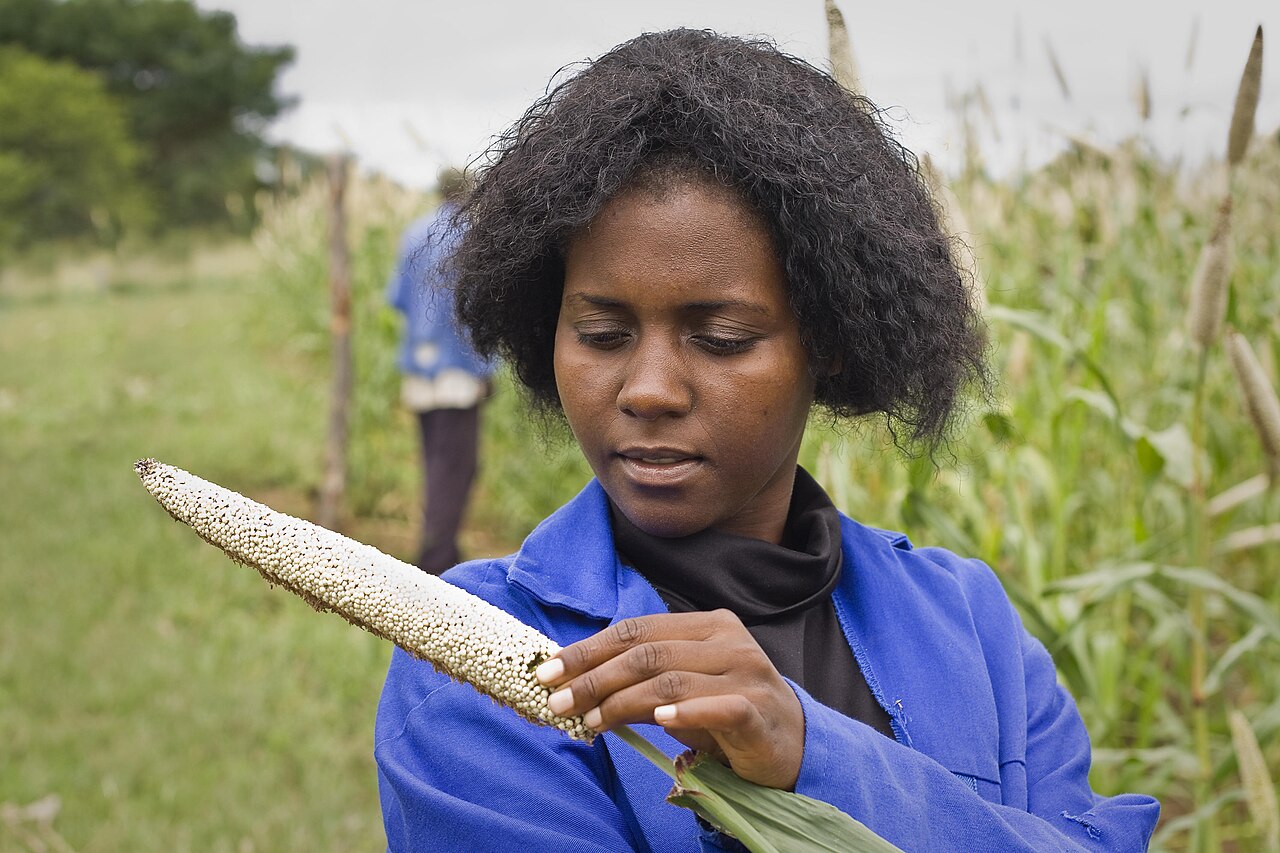
Scientists from across Africa are invited to apply for a fully funded, three-month advanced training programme on millets and other ancient grains in India, as drought, heat and erratic rainfall put more pressure on the continent's farms.
The programme, under the Millets and Other Ancient Grains International Research Initiative (MAHARISHI), will be hosted by the Global Centre of Excellence on Millets at the Indian Council of Agricultural Research's Indian Institute of Millets Research (ICAR-IIMR) in Hyderabad. It is tentatively scheduled from 1 December 2026 to 28 February 2027.
Selected early- and mid-career researchers will work hands-on with genomics-led breeding, high-throughput genotyping and phenotyping, rapid generation advancement, biofortification and the development of climate-resilient, more nutritious varieties. The course also covers agronomy, seed systems, post-harvest handling, processing, nutrition, food safety and market development.
"The future of food security in the drylands will depend on how effectively countries connect science, people and institutions across borders," said Dr Mangi Lal Jat, Secretary of DARE and Director General of ICAR, inviting eligible scientists to apply.
AGRA president Alice Ruhweza welcomed the initiative, saying it addresses what AGRA calls Africa's productivity and capability traps by building scientific expertise, and that growing demand for millets could help with the value trap by opening markets.
Photo: Swathi Sridharan (ICRISAT) / Wikimedia Commons (CC BY-SA 2.0)
Source: AgroSpectrum

Comments
(0)