
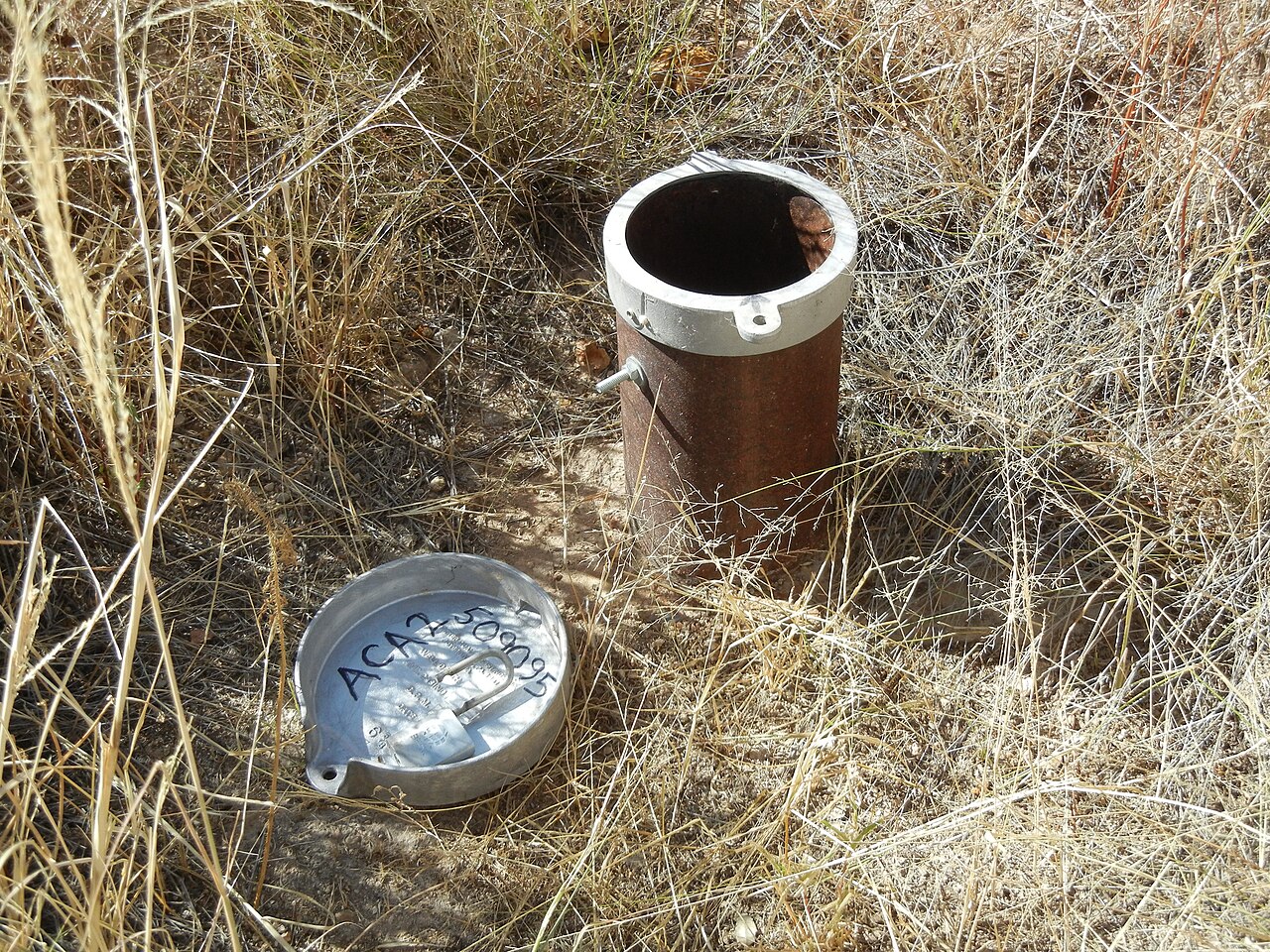
Researchers at Purdue University's College of Agriculture have built an affordable sensor that measures both the speed and the direction of groundwater flow, a job that usually needs expensive instruments.
The project is led by Jacob Hosen, assistant professor of internet-of-things and ecological analytics in the Department of Forestry and Natural Resources. Each device holds circuit boards with arrays of temperature sensors inside a 3D-printed housing designed to mimic soil. "We're 3D printing textures that will recreate the soil environment, so the water flows through the sensor in the same way it flows through the ground," he said.
Cost is the main advance. The team buys a limited number of parts from US vendors and does much of the assembly in-house with a 3D printer and a modified toaster oven, for "just a few hundred dollars a unit", Hosen said.
In durability tests the sensors worked underwater for seven to eight months without failure. They send data wirelessly over LoRa networks and keep a local copy as a backup.
The sensors will next be field-tested at monitoring sites. They could be used for groundwater tracking, wetland research, contamination studies, infrastructure checks and water management. "It works anywhere that water moves underground," Hosen said. Cheaper monitoring could make it easier to follow how water moves beneath farmland, where groundwater feeds wells and irrigation.
Photo: SonoranDesertNPS / Wikimedia Commons (CC BY 2.0)
Source: Farms.com
Comments
(0)