
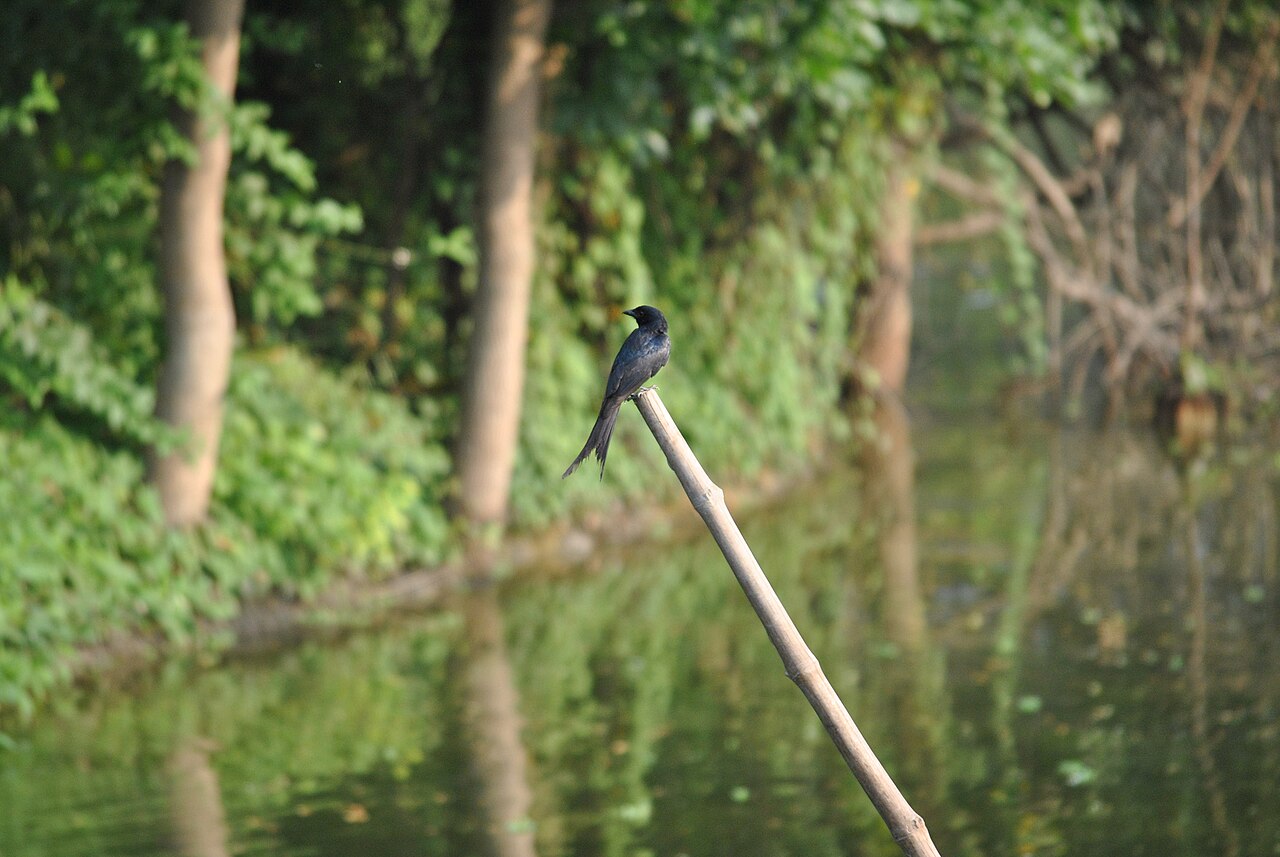
In Kaunia upazila of Rangpur, farmers are fighting pests in their Aman rice with perches rather than pesticide. Drongos, mynas, bulbuls and magpie robins sit on dhaincha plants, branches and bamboo sticks set along the ridges and inside the fields, and pick off the insects.
There are two kinds of perching. Dead perching means pushing branches, bamboo sticks or posts into the field; live perching means planting dhaincha or another living plant for the birds to sit on.
The agriculture department says the main pests of Aman are the stem borer, the leaf folder, the case worm and the moths of armyworms. Birds on the perches eat the insects and their larvae, so many die before they lay eggs and their numbers fall naturally.
Farmers say the method cuts their spending on pesticide, keeps the environment clean, and the birds' droppings add natural organic fertiliser to the soil. Shahjahan Mondol of Gadai village used perches across his whole field and says his rice is greener and fresher this year. Nasir Uddin of Nijpara said the method works and costs little, so he has dropped pesticide.
Upazila agriculture officer Md Salahuddin called perching an effective and sustainable farming technology for controlling pests cheaply and naturally, using less pesticide and protecting the environment. Most farmers in the upazila's six unions used it this season, he said, and thanks to training it covers more land than before.
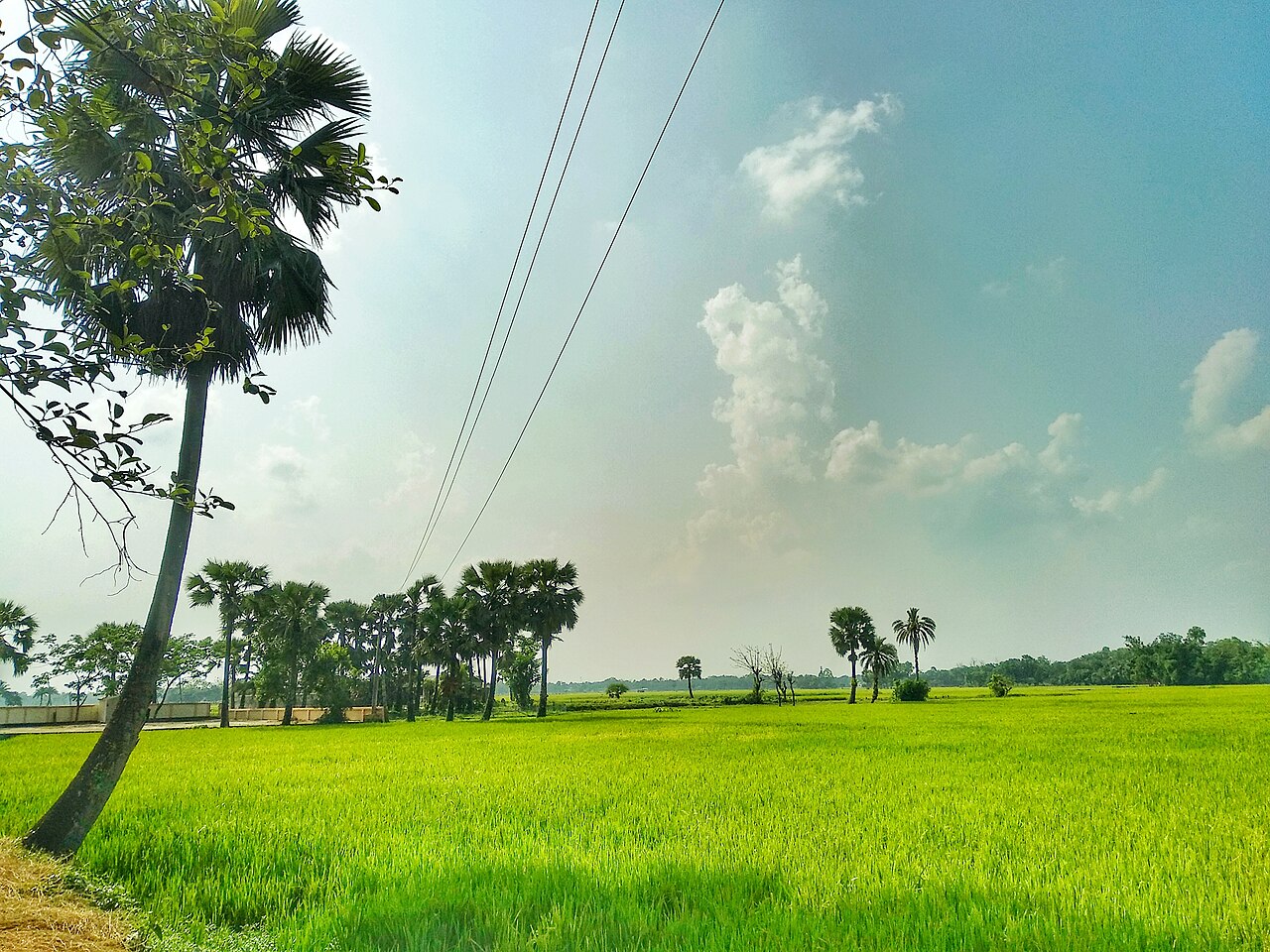
Across the fields the rice is now heading in some places and ripening in others, and farmers hope to bring in the harvest soon without the cost of pesticide.
Reported by Krishi Shomoy's Rangpur correspondent.
Photo: Black drongo, Mdvipbabu / Wikimedia Commons (CC BY-SA 4.0)
Source: Krishi Shomoy

Comments
(0)