
With the growing season ending, grazier and columnist Jordan Penrose urges livestock farmers to look back at how their pastures and hay fields performed and to write it down, so that next year's decisions are made ahead of time rather than on the day, in a column for Farm and Dairy. In his part of southeast Ohio, some areas received about a year's rain in a couple of months this season.
He suggests a checklist: how the grazing plan held up, how forage species performed, the quality and quantity of hay, a feed inventory, how fences, water and other infrastructure coped, a financial review, and plans for next year.
On the grazing plan, he asks whether farmers kept to their planned rotation and, if not, why. On his family's farm one field is skipped when heavy rain is forecast because the creek rises fast; in late July he saw it more under water than ever. He asks whether paddock recovery times fitted the rotation, and where areas were overgrazed or left to over-mature. If shade, water and minerals are all in one part of a paddock, that area is likely overgrazed and the rest left to grow too mature, he writes, because the animal's goal is to eat the best plant available and eat it again when it regrows.
After three years that swung between severe drought in late 2024 and 2025 and heavy rain in 2026, he advises noting which forage species thrived; on his farm, red clover increased markedly this year. Patches drowned by saturated soil or never recovered from drought may need reseeding, though that need not mean redoing a whole field: frost seeding legumes into a mostly grass stand can be enough.
"These past couple of years have provided some stress tests for your pasture; will you be ready for the next one?" he writes. The views are the writer's own.
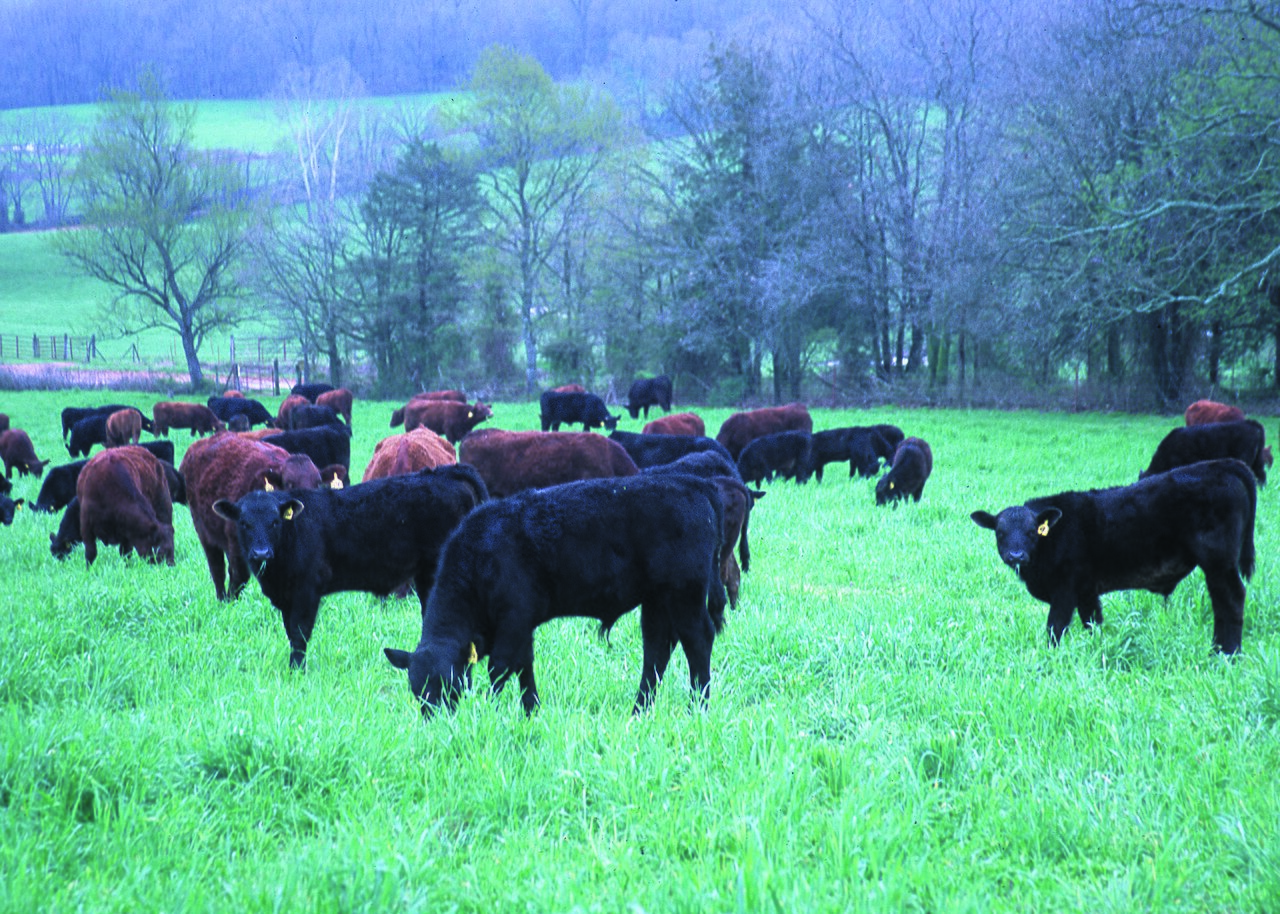
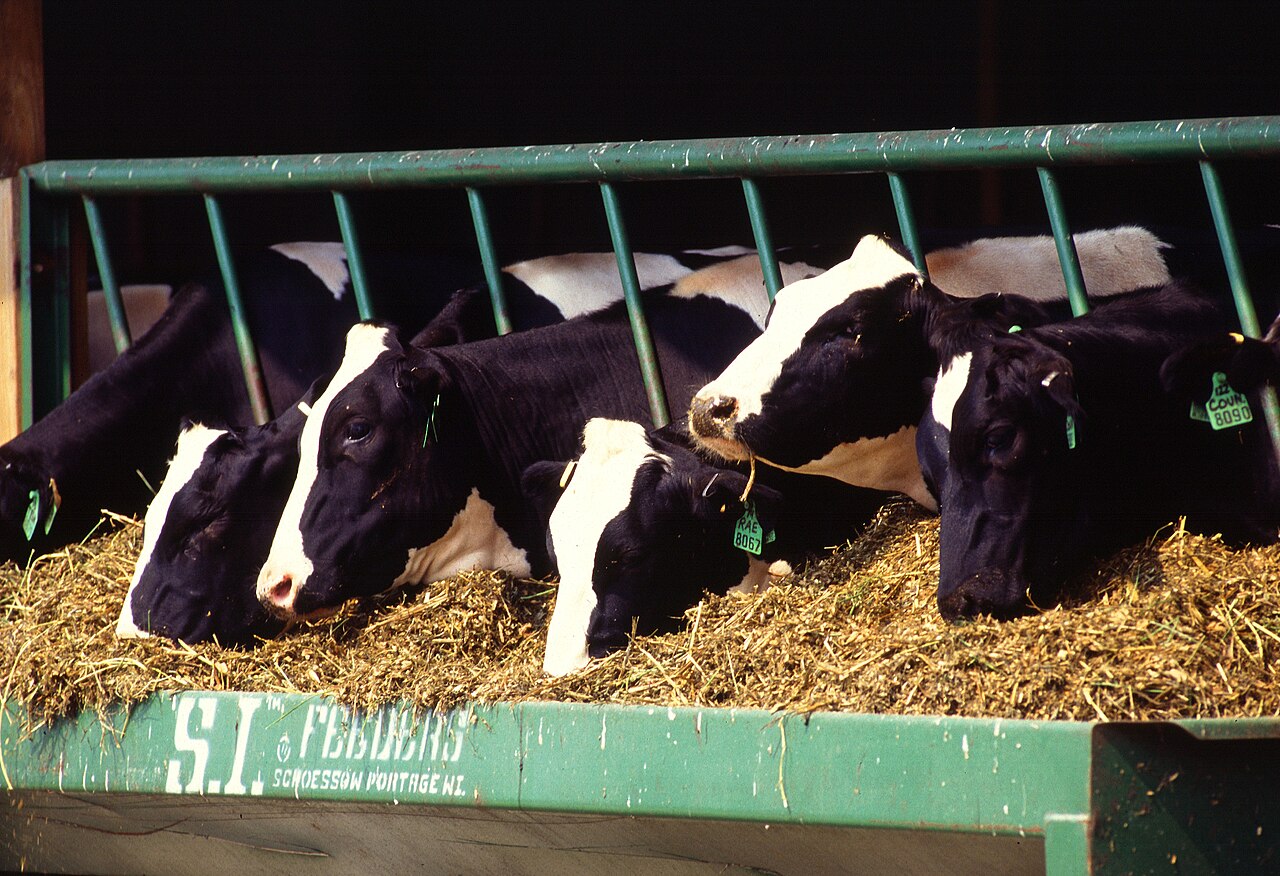
Photo: Jeff Vanuga, USDA NRCS (an intensive rotational grazing system in Arkansas) / Wikimedia Commons (Public domain)
Source: Farm and Dairy
Comments
(0)