

Rajshahi, known as Bangladesh's mango capital, is opening a new chapter in commercial grape growing. Imported grapes once supplied the market, but modern technology, favourable weather and farmers' interest mean high-quality grapes are now grown in Rajshahi's soil. After strawberries, malta and dragon fruit, young entrepreneurs across the district are turning to this high-value fruit, helped by technical support from the Department of Agricultural Extension (DAE) and good market prices.
Experts say Rajshahi's relatively dry climate, plentiful sunshine and modern irrigation suit grapes. Once an orchard is established, a vine can bear fruit for about 30 years, so long-term care costs are low and profits high.
An engineer's vineyard in Bagmara
The vineyard of young farmer and engineer Imam Hossain Sagar in Hasnipur village, Bagmara upazila, has become a focus for local people and new entrepreneurs. On 3 bighas he grows eight varieties, including Baikonur, Apollo, Dasunia and Australian King.
Inspired by a successful vineyard in Jashore, he began on a trial basis with his father and younger brother, investing about Tk 5 lakh on 2 bighas despite discouragement. This season his 360 vines produced 7,021 kg of grapes, worth about Tk 21 lakh. He also raises saplings from cuttings: over the past year he sold hundreds at Tk 250 to Tk 800 each, and sapling sales alone could bring in about Tk 15 lakh a year. Farmers, students and entrepreneurs now visit from across the district.
Neighbour Md. Rafiqul Islam said many villagers had doubted grapes would pay, but now visitors come daily and many young people are taking an interest in farming. Another neighbour, Nasima Begum, said the land used to grow ordinary crops, and the vineyard has raised the area's profile and helped local business.
Students in Durgapur
In Bakhtiarpur village, Durgapur upazila, Rajshahi College student Rahul Amin and his partner Al Amin have planted Baikonur grapes on about 8 decimals using modern methods. Grapes sell at about Tk 400 a kg at the orchard and saplings at Tk 350 to Tk 400. Rahul said he started after watching YouTube and learning about modern technology, and also grows guava; he plans to expand so other young people take up grapes.
Durgapur Upazila Nirbahi Officer Mashtura Amin said she would not have believed grapes could grow there without seeing the orchard, and that larger-scale cultivation would reduce imports and create self-employment. Upazila agriculture officer Sahana Parvin Labony said the office is providing technical advice.
Official figures
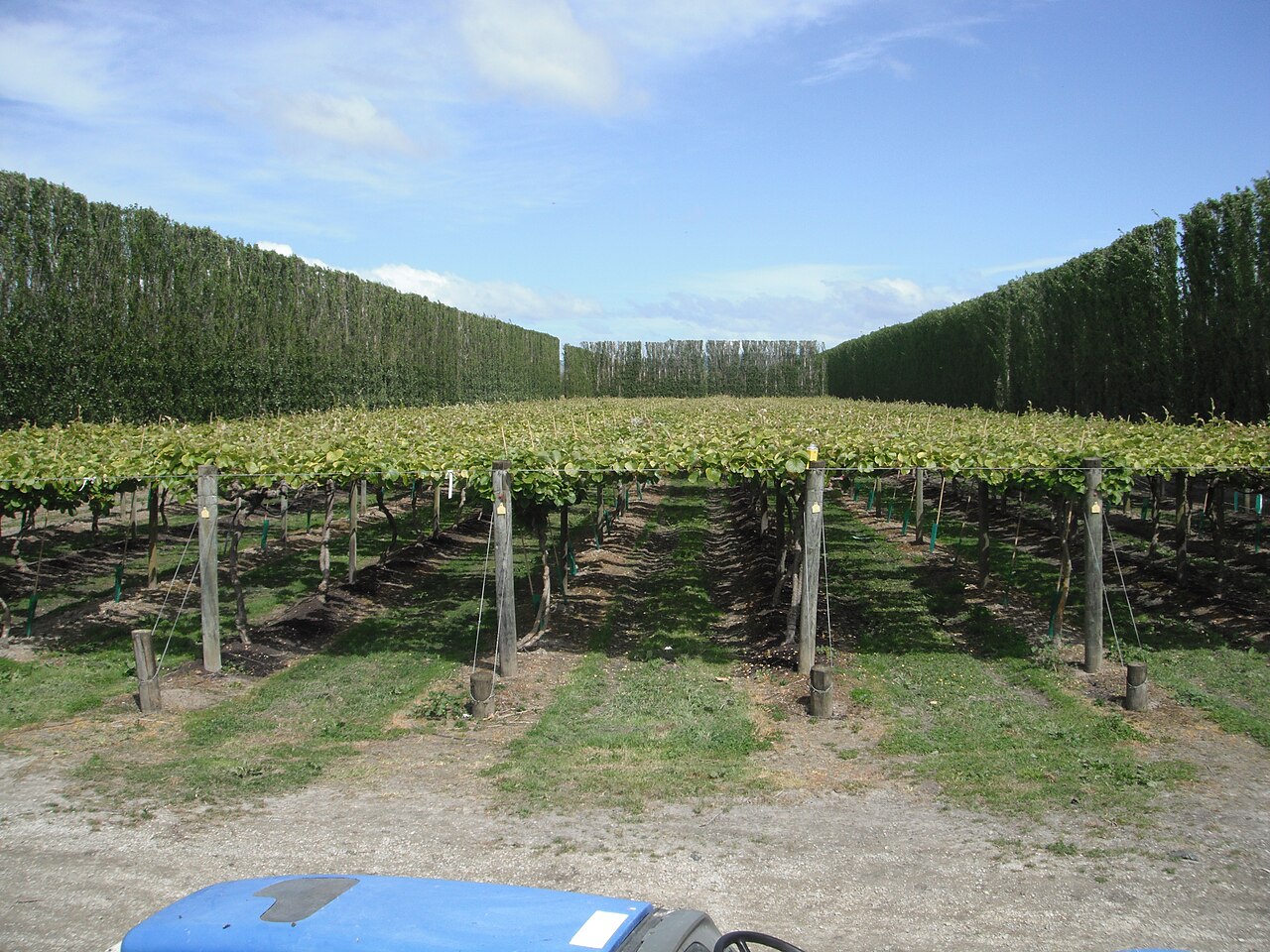
According to DAE Rajshahi, about 30 farmers are growing grapes commercially on about 3 hectares in three upazilas. Earlier attempts failed, but favourable weather, improved varieties and polyshade technology are now giving good yields. Additional deputy director (horticulture) Papia Rahman said polyshade and proper care have made commercial production possible and farmers are receiving regular training. Deputy director Mohammad Nasir Uddin said higher local production would reduce import dependence and increase farmers' profits.
Source: Jagonews24. First published in Bengali on The Agro News.
Comments
(0)