
Australia's winter crop will fall short of last season's bumper harvest, the second largest on record, but still reach historically high volumes, according to Rabobank's 2026/27 Australian Winter Crop Forecast. The bank expects 62.9 million tonnes, 7.9 percent less than last year but 2.6 percent above the five-year average.
"Production is more concentrated in southern and western regions of the country this year," said Vitor Pistoia, senior grains and oilseeds analyst at RaboResearch. Below-average rain on the northern east coast is cutting output in Queensland and New South Wales, while good moisture and strong yields lift South Australia and Victoria. Queensland's crop is forecast to fall 47.6 percent to 2.03 million tonnes and New South Wales's 26.3 percent to 13.52 million tonnes; Western Australia's is down 13.3 percent at 23.73 million tonnes but still above average, and South Australia's could be a record 12.44 million tonnes, up 43.7 percent.
Growers are expected to deliver 31 million tonnes of wheat, 13.3 percent less than last year and 9.7 percent below the five-year average. Barley is forecast at 16.5 million tonnes, down 1.2 percent but the second-largest barley crop on record, and pulses at 5.5 million tonnes, down 12.9 percent. Canola goes the other way: up 5.3 percent to a record 8.1 million tonnes, with Western Australia, where canola area rose 41 percent, providing 59 percent of it.
Grain prices are generally firmer because of geopolitical disruption to global export supplies, Rabobank says, but margins remain squeezed by high fertiliser, diesel, agrichemical and freight costs. Disruption at Black Sea ports has cut wheat trade and raised shipping costs, which improves Australia's freight advantage into Asia thanks to its shorter sailing times.
Pistoia said El Niño had already hit wheat production on the northern east coast, and further impacts in 2027 could repeat the 2018-2020 pattern, when grain moved from Western and South Australia to feed livestock in the east, pointing to a potentially stronger eastern wheat basis. If El Niño also reduces east coast sorghum, barley prices there could rise above international parity.
For pulses, ample world supply is capping prices, though a smaller Australian chickpea crop supports a premium for chickpeas. For oilseeds, Pistoia expects global consumption to outpace production, with stronger biofuel demand supporting canola prices.
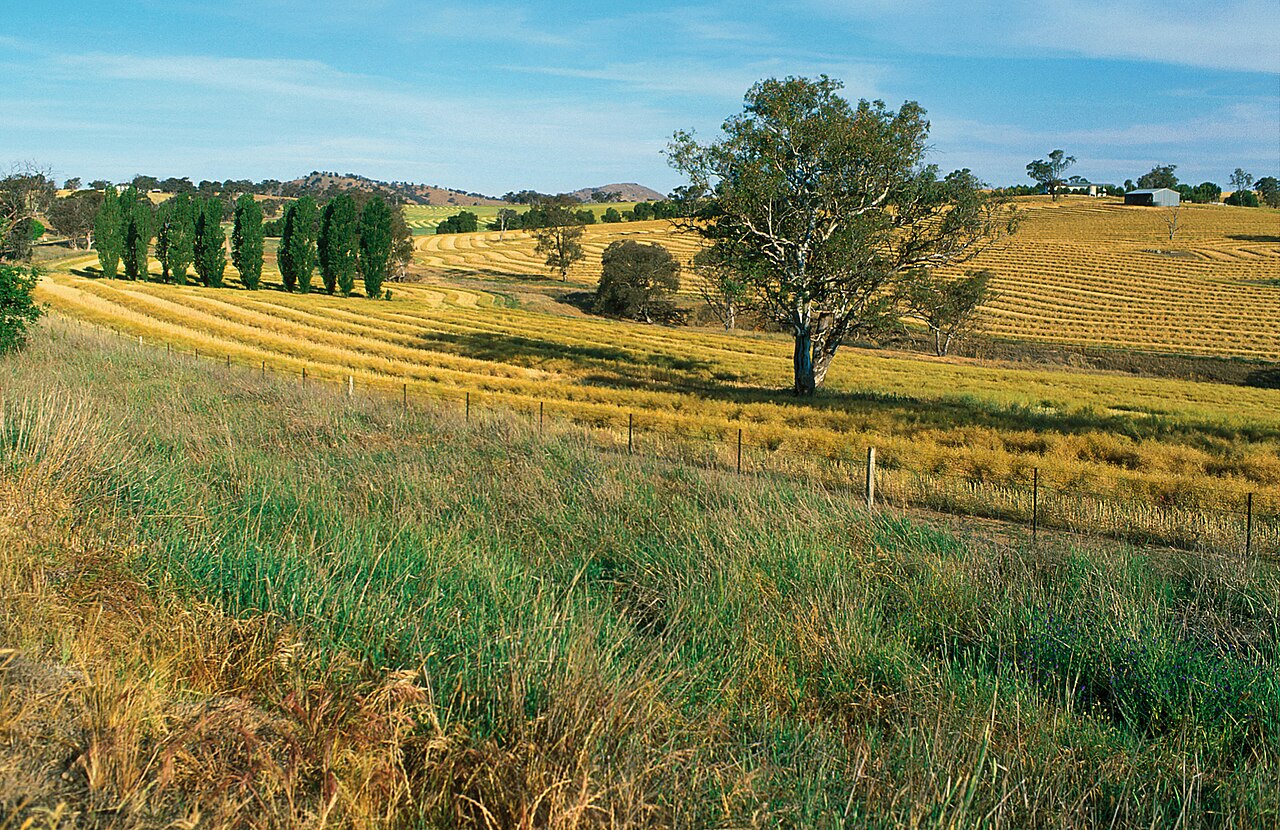
Photo: Gregory Heath, CSIRO / Wikimedia Commons (CC BY 3.0)
Source: Beef Central

Comments
(0)