
Friends shape how people think, what they believe and how they behave. A piece by Prothom Alo's religion desk explains that the Quran tells believers not to take certain people as intimate friends or guardians, and gives the reasons.
The word the Quran uses here, the piece says, is wali: an intimate ally with whom secrets are shared, who is trusted without question and accepted as a guide in matters of principle.
In that sense three groups are named. First, those who openly show hostility to Islam and Muslims and mock the faith (Surah Al-Ma'idah, verse 57). Second, the hypocrites, who profess faith while plotting harm (Surah An-Nisa, verses 138-139). Third, those among the People of the Book who are hostile and act against Islam (Surah Al-Ma'idah, verse 51).
The piece gives three reasons. Harm and insecurity: hostile intimates may expose confidences and look for a chance to do damage (Surah Al Imran, verse 118). The effect on faith: friends influence each other's thinking and habits, and harmful company can lead a person away from the right path. And the displeasure of God.
The piece is clear, however, that Muslims must not mistreat non-Muslims or anyone else in society. Islam places no bar on ordinary civic rights, justice, good conduct and kindness towards non-Muslim neighbours.
It cites Surah Al-Mumtahanah, verse 8: God does not forbid believers from being just and kind to those who have not fought them over religion or driven them from their homes.
Its conclusion is that the Quran's guidance on whose company to keep helps believers protect their faith, their morals and their hereafter.
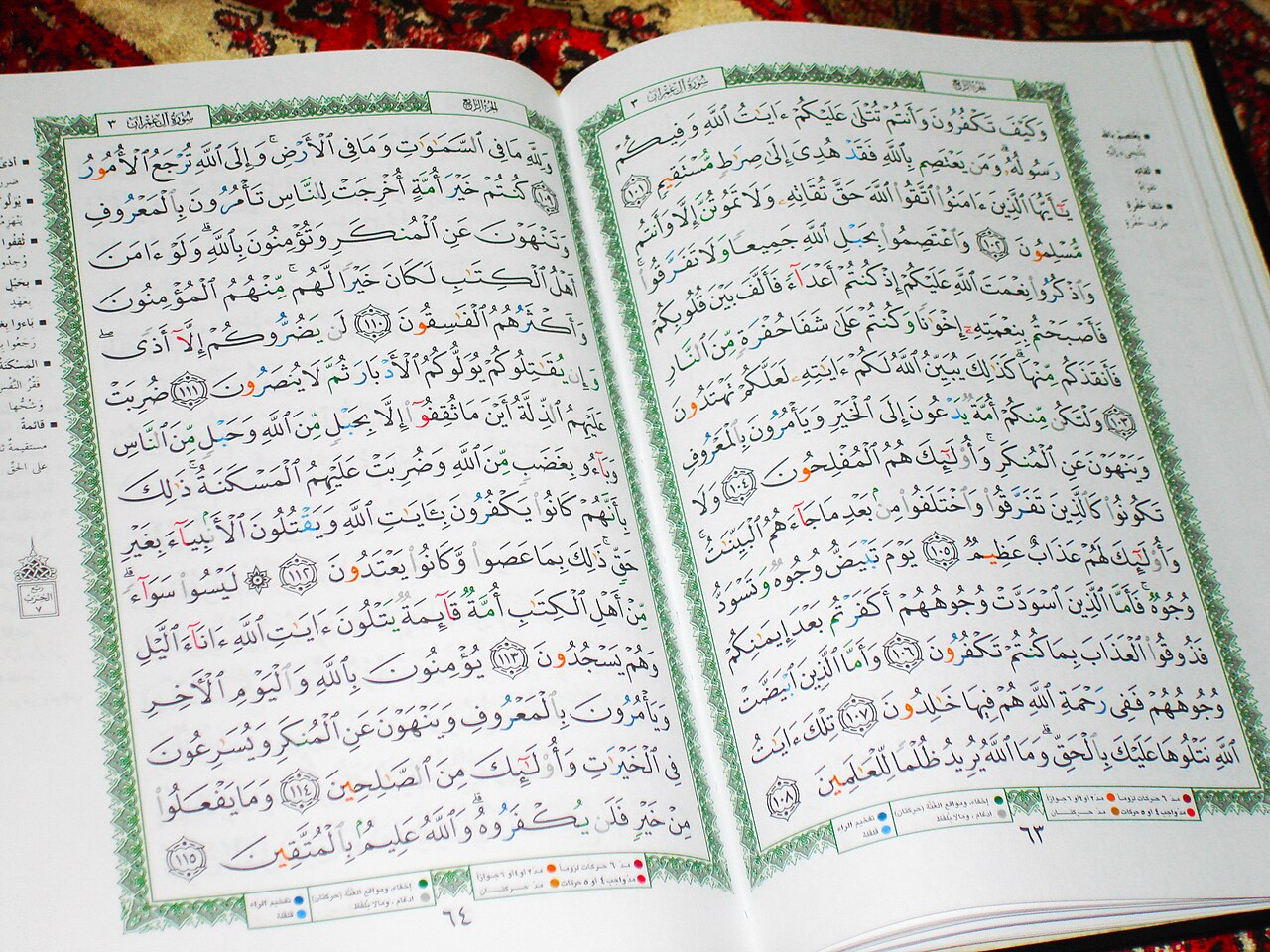
Photo: Amr Fayez (TheEgyptian) / Wikimedia Commons (CC BY 2.5)
Source: Prothom Alo




Comments
(0)