
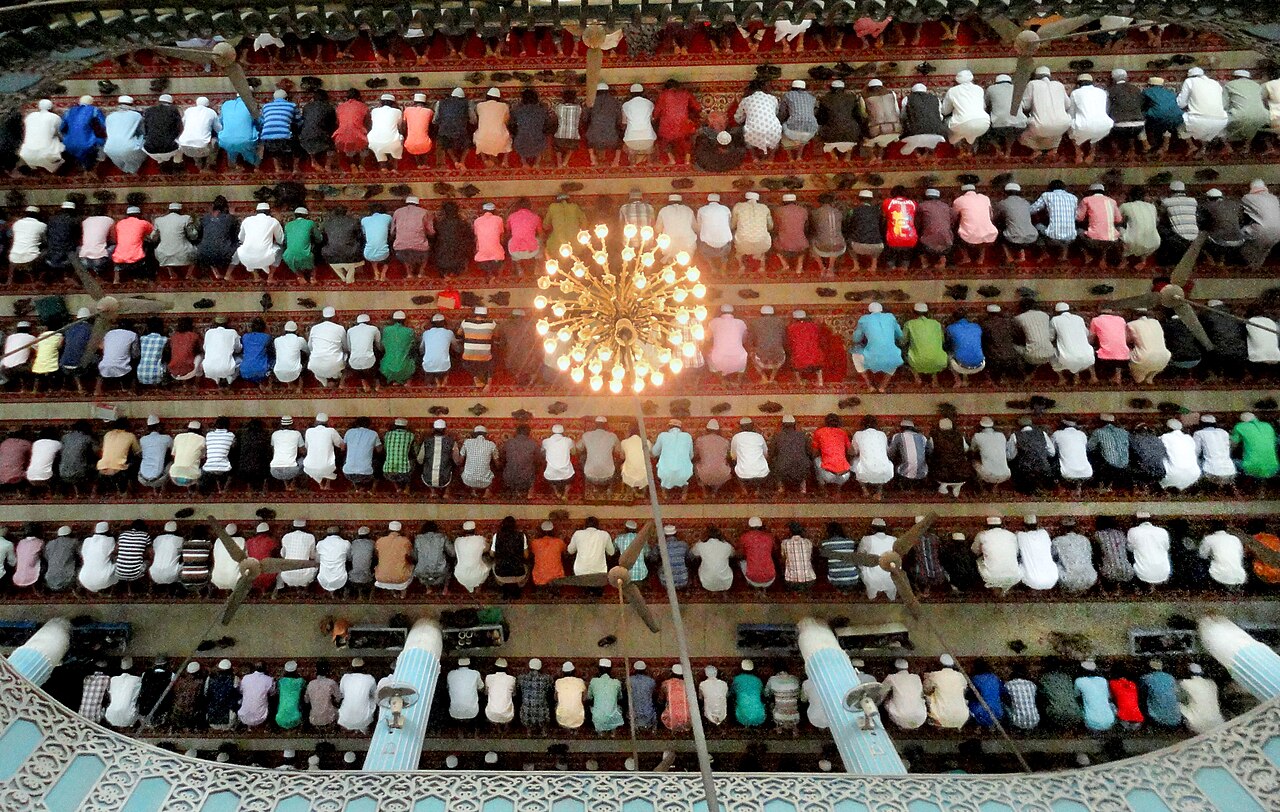
Worldly life is made of joy and sorrow together. A piece by Barta24's Islam desk says God created pain, hardship and misfortune so that people do not abandon their morals in times of ease or forget their Creator, and also showed the way out of them.
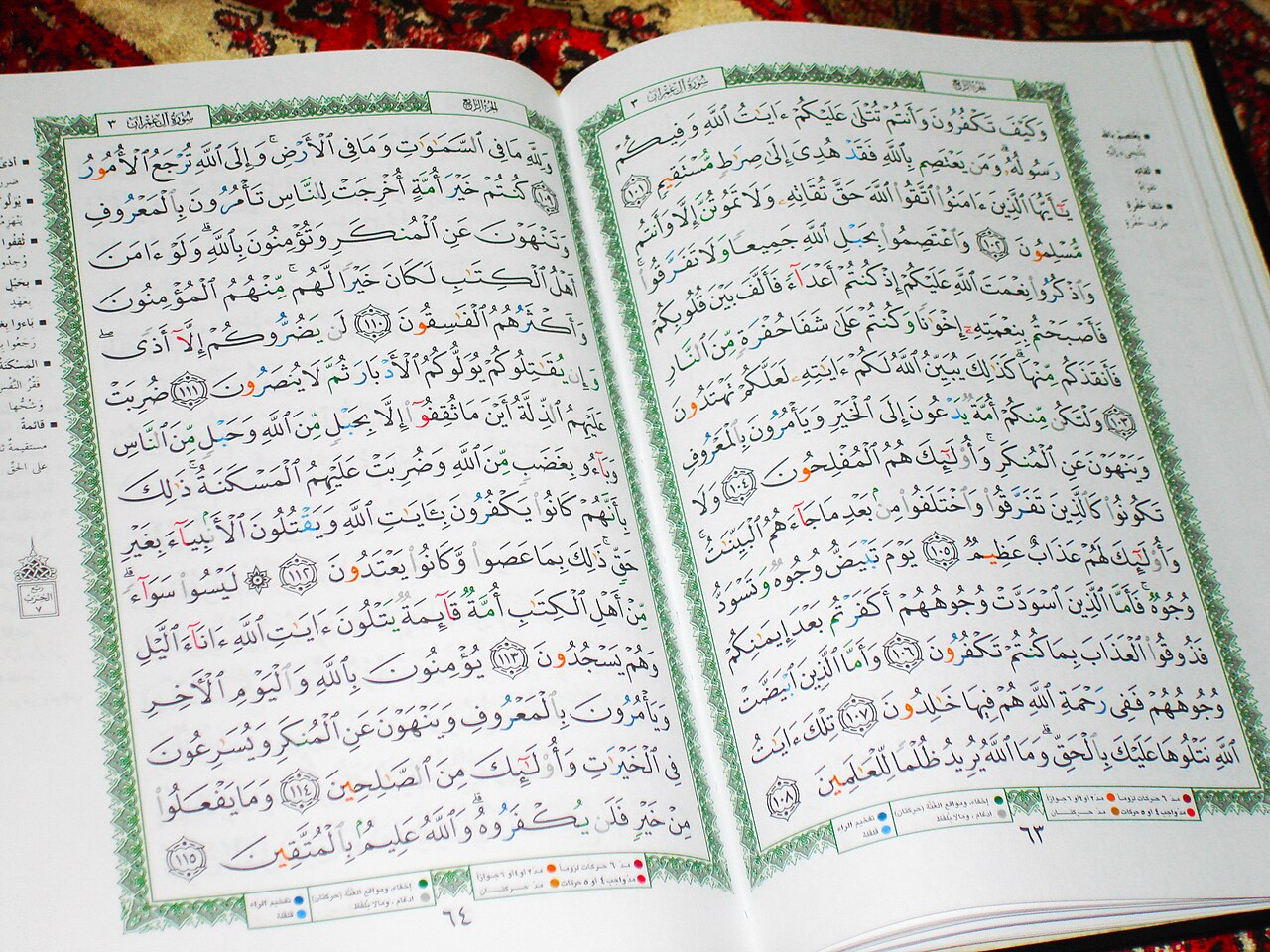
In Islam, hardship is a test, and for a believer a means of rising in rank. The Quran says: 'We will surely test you with something of fear and hunger and a loss of wealth, lives and fruits, but give good tidings to the patient.' (Surah Al-Baqarah, verse 155)
In a hadith in Sahih Muslim (7390), the Prophet (peace be upon him) said the affair of the believer is wondrous: when good comes he gives thanks, when hardship comes he is patient, and both are good for him. So in trouble a believer turns to God, seeking relief through remembrance, worship and prayer.
Aisha (may God be pleased with her) narrated that during a solar eclipse the Prophet prayed at length and then told the people in a sermon that the sun and moon are two of God's signs and are not eclipsed for anyone's birth or death; when they see an eclipse they should supplicate, glorify God, pray and give charity. (Sahih al-Bukhari, 1044)
The piece cites Ibn al-Qayyim, who explained that the Prophet urged prayer, freeing slaves, remembrance and charity at such times because these remove the causes of calamity (Al-Wabil al-Sayyib, p. 142).
Its conclusion is that God tests His servants through hardship so that they return to Him and seek His help. The Quran says: 'We tested them with good and evil that perhaps they would return.' (Surah Al-A'raf, verse 168)
Photo: Shaeekh Shuvro / Wikimedia Commons (CC BY-SA 2.0)
Source: Barta24
Comments
(0)