
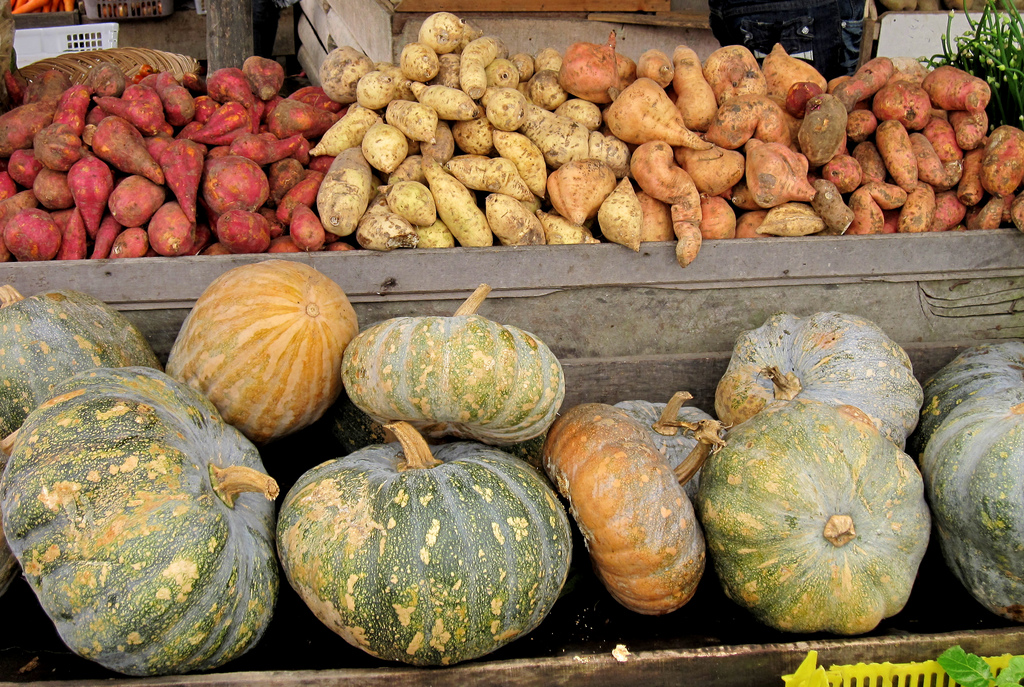
Because it grows easily in almost every district of Bangladesh, sweet pumpkin is often taken for granted. Its familiar forms are a curry with prawns tempered with dried chilli and whole coriander, or a mash with onion and green chilli. The leaves and seeds are eaten too.
According to the US Department of Agriculture's FoodData Central database, one cup (245 g) of pumpkin boiled or cooked without salt has just 49 calories and about 3 g of fibre, and no cholesterol. It contains vitamins A, C and E, riboflavin, potassium, copper, manganese, thiamine, vitamin B6, folate, niacin, iron, magnesium and phosphorus.
Afghanistan's challaw kadu: pumpkin pieces are lightly fried, then cooked slowly with onion, garlic, ginger, turmeric, coriander and chilli; tomato adds a mild sourness and some cooks add beef or mutton mince. The thick pumpkin is topped with yoghurt and served with rice.
Vietnam's canh bi do thit is a light soup of pumpkin and minced meat: the mince is mixed with onion, pepper and spices, cooked in stock or water, and the pumpkin added, finished with fish sauce and a little sugar once soft. Myanmar's pumpkin curry is close to the Bangladeshi version; the difference is tamarind, stirred in once the pumpkin softens in the fried spices.
For something sweet, India's kaddu ka halwa: grated pumpkin is fried in ghee, then cooked slowly with milk and sugar, finished with cardamom and cashews, almonds or pistachios. And pumpkin chocolate chip muffins combine flour, baking powder, sugar and cinnamon with pumpkin puree, egg and liquids, with chocolate chips folded in before baking; the puree keeps them moist.
The piece is from Ajker Patrika's feature desk.
Photo: Ivan Atmanagara / Wikimedia Commons (CC BY 2.0)
Source: Ajker Patrika

Comments
(0)